Grand Slam US Open WTA
Vondrousova withdraws, Sabalenka advances to U.S. Open semifinals
Vondrousova withdrew injured, giving Sabalenka a U.S. Open semifinal; Pegula will await on Thursday.

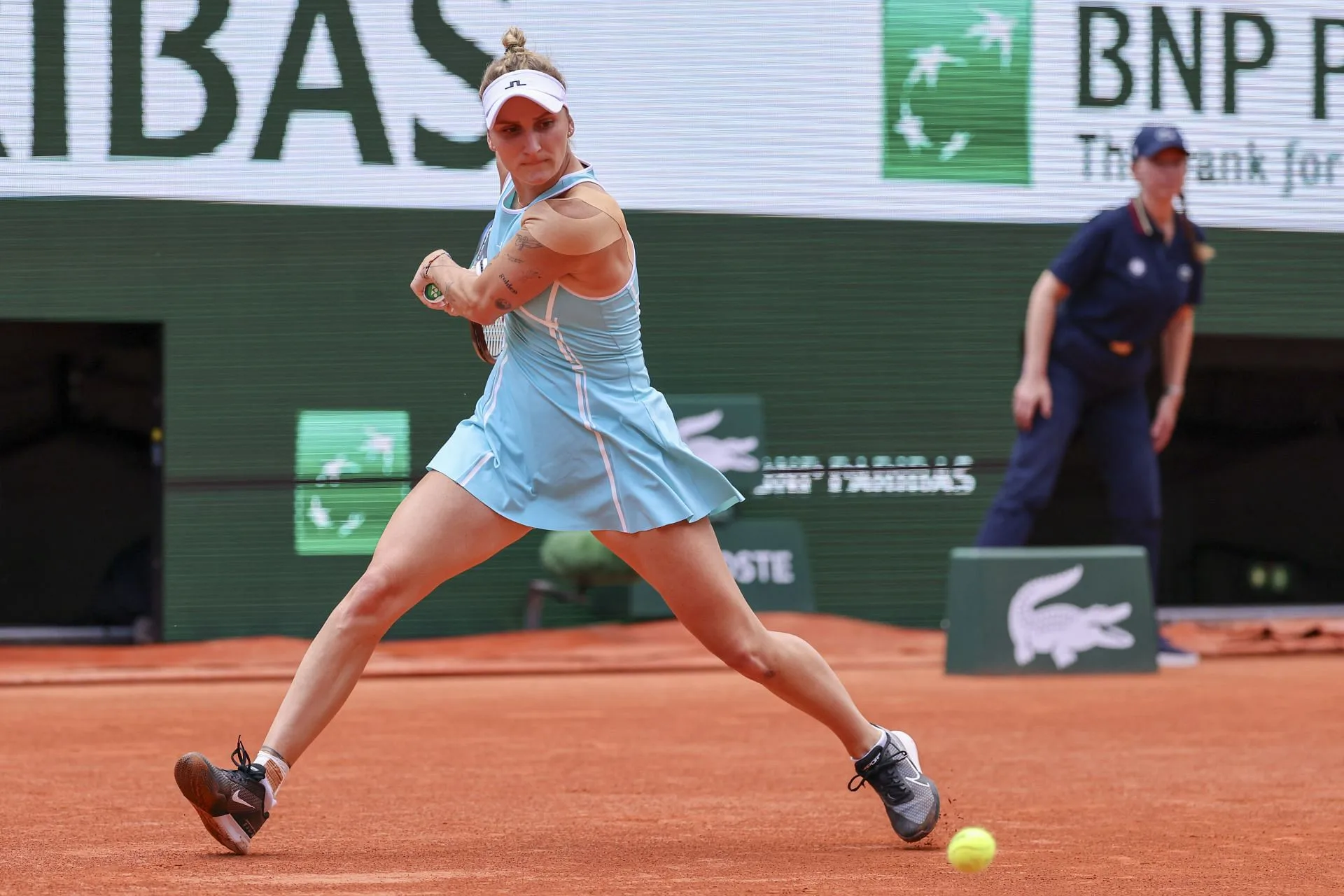
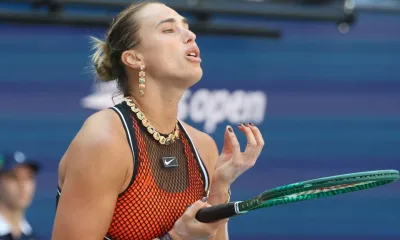
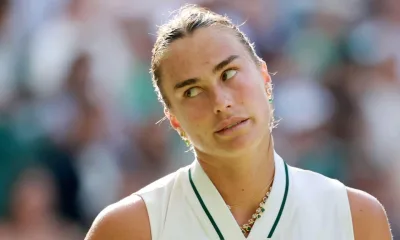
Defending champion Aryna Sabalenka advanced to the U.S. Open semifinals on Tuesday without playing after Marketa Vondrousova withdrew from their quarterfinal with an injury.
The U.S. Tennis Association announced the walkover roughly two hours before the match was due to start in Arthur Ashe Stadium and did not specify the nature of Vondrousova’s problem. The 26-year-old left-hander had reached the quarterfinals by beating 2022 Wimbledon champion Elena Rybakina in three sets on Sunday night.
Sabalenka will face No. 4 Jessica Pegula in the semifinals on Thursday, a rematch of last year’s championship match at Flushing Meadows, which Sabalenka won in straight sets.
Vondrousova has reached as high as No. 6 in the WTA rankings but has missed stretches of the tour because of injuries, including operations on her wrist in 2022 and on her shoulder last year. She entered the U.S. Open ranked 60th and unseeded.
Pegula reached her second Grand Slam semifinal by defeating two-time major champion Barbora Krejcikova 6-3, 6-3 earlier Tuesday. Pegula had been 0-6 in major quarterfinals until upsetting Iga Swiatek in that round at Flushing Meadows a year ago. Now the 31-year-old American is the first woman to make the final four at the U.S. Open in consecutive years without losing a set since Serena Williams did it every year from 2011 to 2014.
“I’ve been able to kind of go into those matches and really take care of business,” Pegula said.
The remaining two women’s quarterfinals are scheduled for Wednesday: No. 2 Iga Swiatek vs. No. 8 Amanda Anisimova, a rematch of last month’s Wimbledon final that Swiatek won 6-0, 6-0, and No. 11 Karolina Muchova vs. No. 23 Naomi Osaka.




Grand Slam
Wawrinka gets late US Open wildcard for final New York appearance
Wawrinka earned a late US Open wildcard and will end his New York career there.
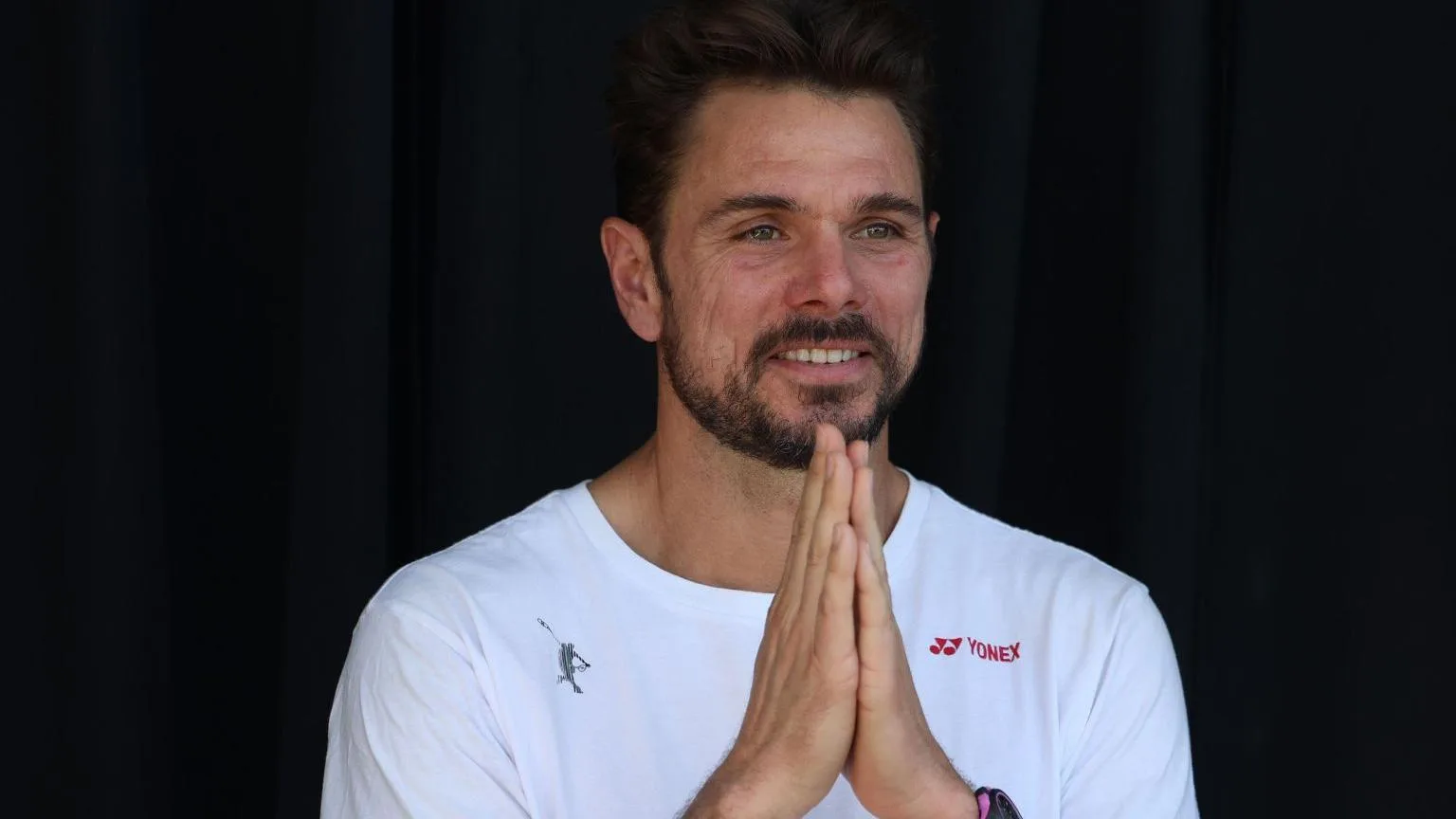
Stan Wawrinka will make one last visit to the US Open after a late wildcard offered him an unexpected route into the main draw.
The three-time Grand Slam champion had been set to miss the tournament after the original men’s singles wildcards were allocated and the start of the event was less than 96 hours away. That changed when Patrick Kypson withdrew because of injury, prompting a late call on Wednesday to Wawrinka, who had already returned to Switzerland.
His exclusion from the initial list drew criticism because of his history at the event. Wawrinka won the 2016 title in New York, beating defending champion Novak Djokovic in four sets to claim the third and final Grand Slam trophy of his career.
At his pre-tournament press conference, he made clear how much the return means to him. “Right now, I’m feeling really good,” remarked the former world No 3 during his pre-tournament press conference.
“I’m super happy to be here and very grateful for the wildcard. For me, this is my last year and my last Grand Slam of my career, so of course it will be special when I step onto the court.
“I will feel it, that’s for sure. But I’m very excited and very happy. I’m enjoying having this opportunity to be here one last time.
“Playing this final year is, of course, special, but being able to compete at all four Grand Slams was important to me, and I’m enjoying it a lot.”
Wawrinka also said there were no hard feelings after the original omission. “It was a bit of a roller coaster [to be given the wildcard], of course, because I went back home to New York on Monday night.
“For me, at that moment, it felt like the end of my Grand Slam career. I would have loved to be here, so I had to accept those emotions after not receiving the wildcard, and I was fine with it.
“At the end of the day, I always say that the only way to be sure of playing in a tournament is to have the necessary ranking. I knew I wasn’t directly on the list, so I was hoping for a wildcard, but I also know that wildcards are not guaranteed.
“Not getting one wasn’t a problem for me. I was just sad that I couldn’t say goodbye to New York and the US Open. I received the call on Wednesday night, or Wednesday afternoon, when I was in the Swiss mountains. Of course, I was happy and had to quickly arrange my return.”
Now back in New York, he has resumed practice and will open against Matteo Berrettini on Monday night on the Grandstand. The pair recently met at Wimbledon in a match decided entirely by tie-breaks, with Berrettini winning 6-7(7), 7-6(16), 7-6(7), 7-6(5).
“It will be a very interesting rematch, of course,” he analysed.
“Wimbledon was a tough battle. It was a great match, and I think we both played well. Over four hours, four tie-breaks – it was really special, especially on Court 1.
“In the end, he is a really tough player to face. He’s a great guy and also a good friend, so it will be special to play against him here again.”
Australian Open Grand Slam
Zverev downplays US Open favourite label as he backs Alcaraz after injury break
Zverev rejects favourite tag, backs Alcaraz to contend after wrist injury, and eyes a strong US Open run.
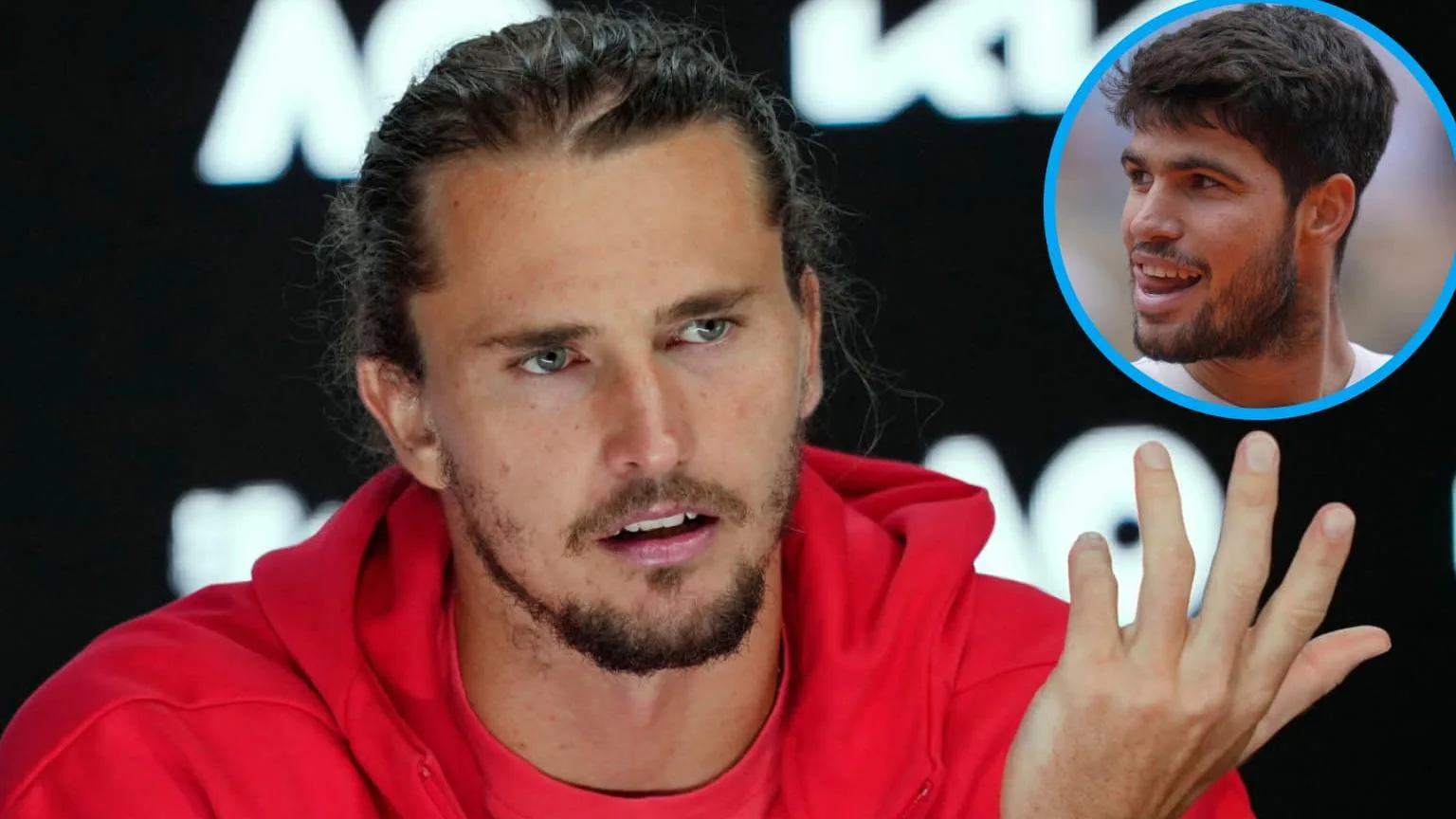
Alexander Zverev has pushed back against being described as the main title favourite for the US Open, even as the draw opens up around him and Carlos Alcaraz prepares to return after a long spell away.
The German arrives in New York with a very different standing from a year ago. Since then, he has captured his first Grand Slam crown at the French Open and reached his maiden Wimbledon final in July. Those results have naturally sharpened the focus on his prospects at Flushing Meadows, especially after world No 1 Jannik Sinner withdrew because of lingering knee problems following his Wimbledon triumph.
Alcaraz, now ranked behind Zverev, has also been absent for four months because of a wrist injury, but the Spaniard is set to rejoin the tour in New York. Zverev, however, is not reading too much into the circumstances surrounding his rivals. He also admitted his own build-up has not been ideal, after losing early at both the Canadian Open and Cincinnati Open.
Even so, his US Open record remains strong. He has reached at least the quarter-finals in four of his last five appearances, and he made the final in 2020 before losing a five-set classic to Dominic Thiem after leading by two sets and a break.
“I still feel that I should have won in 2020; that hasn’t changed. Overall, of course, there is a certain level of satisfaction from finally winning a Grand Slam,” he analysed during his pre-tournament press conference.
“I think I’ve said it a million times. But you also realise something: once you win one, you want to win more. You want to keep moving forward, and you want to play your best tennis every time you step onto a court.
“I feel that I did that after Roland Garros, and then I didn’t do it in the last two tournaments.
“But I definitely feel that my game is coming back, and it’s been improving with every training session. I hope to show my best tennis here again.”
Zverev also rejected the idea that he should be treated as the clear favourite, saying the decisive name is the one left standing near the end of the event.
“I think being a seed is nice and shows that you have been playing well, but I think the most important thing is whose name appears at the end of the draw and who is still here in two weeks,” he added.
“I believe that’s the main objective for everyone in the draw. I feel like I’m just one of the 128 favourite players in the draw, nothing more.”
Asked about Alcaraz’s wrist issue, Zverev said the injuries are not comparable and suggested the Spaniard could need only a match or two to settle before becoming dangerous again.
“I know what you mean, but it’s very different because I think it’s a different injury,” Zverev stated.
“The wrist is never easy, that’s for sure.
“I know this because my brother also had a wrist injury, and it takes time to come back from something like that. I think mine was different because I tore seven ligaments and fractured two bones, so I had to undergo surgery.
“It took me a year to come back, so it was a bit different. I feel that he’s probably at the same physical level now, if not better, because surely over the last four or five months he has done a lot of physical work – something I couldn’t do because I couldn’t walk.
“I think he’ll be a bit rusty during the first or second match, but once he gets past that, I think he will be a title contender, for sure.”
Zverev begins his US Open campaign against Lorenzo Sonego.
Grand Slam
Alex Eala reflects on growth, memories and expectations ahead of US Open return
Eala discussed growth, New York memories and her return before opening her 2026 US Open campaign.
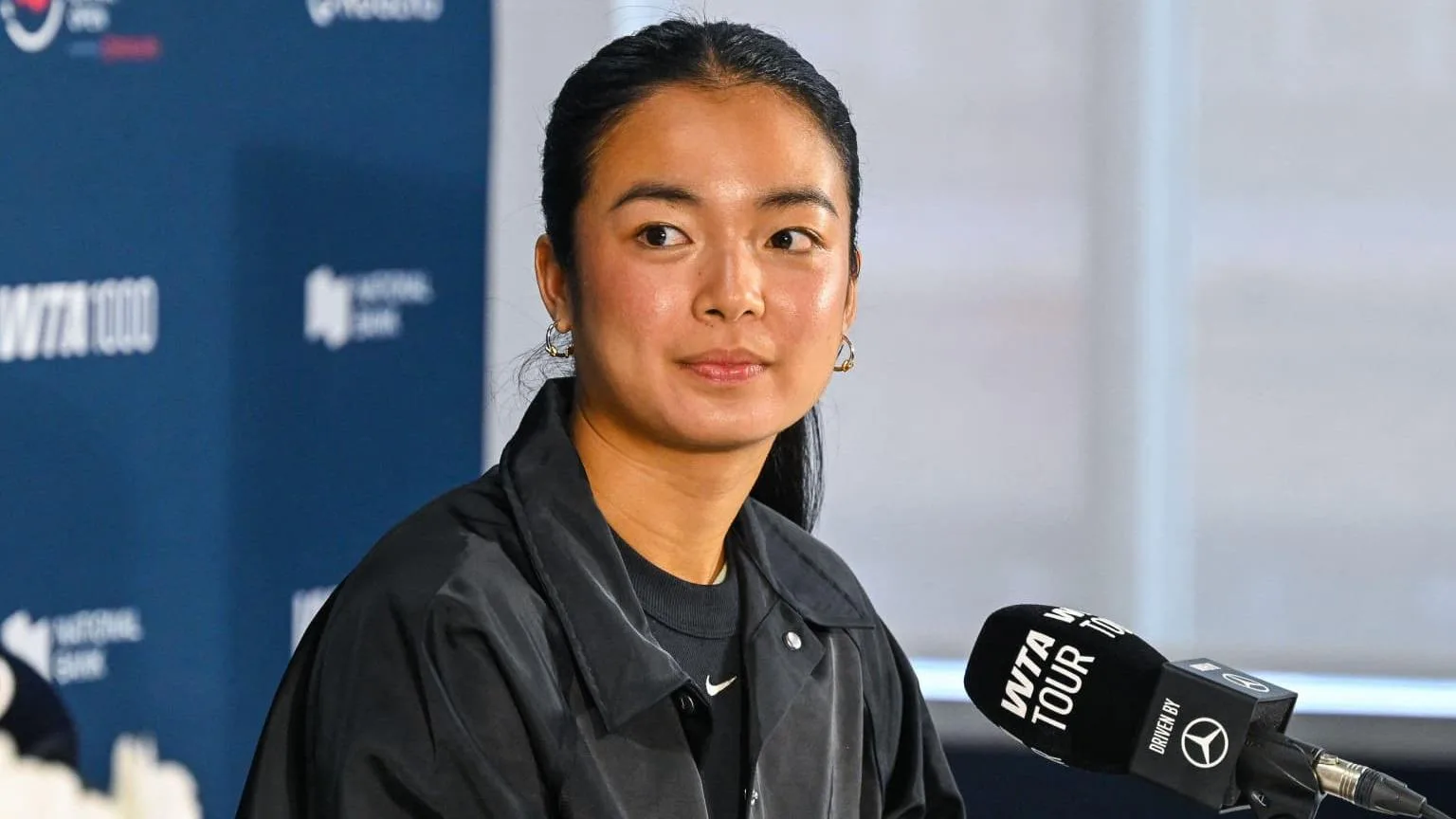
Alex Eala said she has “experienced so much growth in the past year” as she met reporters before launching her 2026 US Open campaign.
The world No. 18, seeded 17th, opens against American qualifier Mary Stoiana, ranked 122nd, in the first round at Flushing Meadows. It will be Eala’s second main-draw appearance at the US Open after she reached the second round on debut in 2025.
Speaking about the last 12 months, Eala pointed to the lessons she has taken from being around elite players and competing more regularly against the best in the sport. She also said she feels fortunate to have experienced matches with packed stands and strong atmospheres, including her appearance last year in New York.
Her memories of the 2025 US Open still stand out, particularly a difficult comeback attempt against Taylor Townsend. “I remember that I was 5-1 down in the third and it was a very tough comeback for me. I know she was dominating me for a lot of the match. And yeah, it was, I think, definitely one of my most memorable matches of that year,” she said.
Eala also discussed the custom Nike shoe celebrating her first title in Washington, describing it as highly personal and “super sentimental.” She linked that feeling to a similar moment when Nike marked her 2022 Juniors US Open success.
On returning to New York, Eala recalled earlier visits to the city, including a childhood tournament at the old US Open site, and said she still appreciates the familiar rhythm of the event. “It’s nice,” she said of seeing the same spaces and faces each year.
Asked about her broader impact, she stressed gratitude and humility, saying every player contributes to tennis history. She noted that learning more about the game’s history, including doubles matches with Venus Williams this year, has kept her motivated.
Eala also spoke about the planned exhibition with Janice Tjen at the Philippine Arena, saying she expects great competition and sees it as a celebration of culture and tennis.
Away from the court, she said she prefers restaurants, shopping, cafes and bakeries, while also noting that New York remains a city she would like more time to explore.

Alcaraz return comes with uncertainty as Rusedski backs Safiullin to test him

Djokovic adds a final Ashe Stadium hit before US Open opener

Alex Eala’s rise fuels major US Open interest as opening match awaits

Alcaraz Confronts On‑court Microphones During US Open Practice Ahead of Opelka Match

Raducanu Arrives at US Open With Momentum After Strong Hard‑Court Swing