Davis Cup Finals Player News
Granollers and Martínez upset German duo to send Spain into Davis Cup final
Granollers and Martínez clinched Spain’s Davis Cup semifinal doubles to beat Germany 2-1. In Bologna.

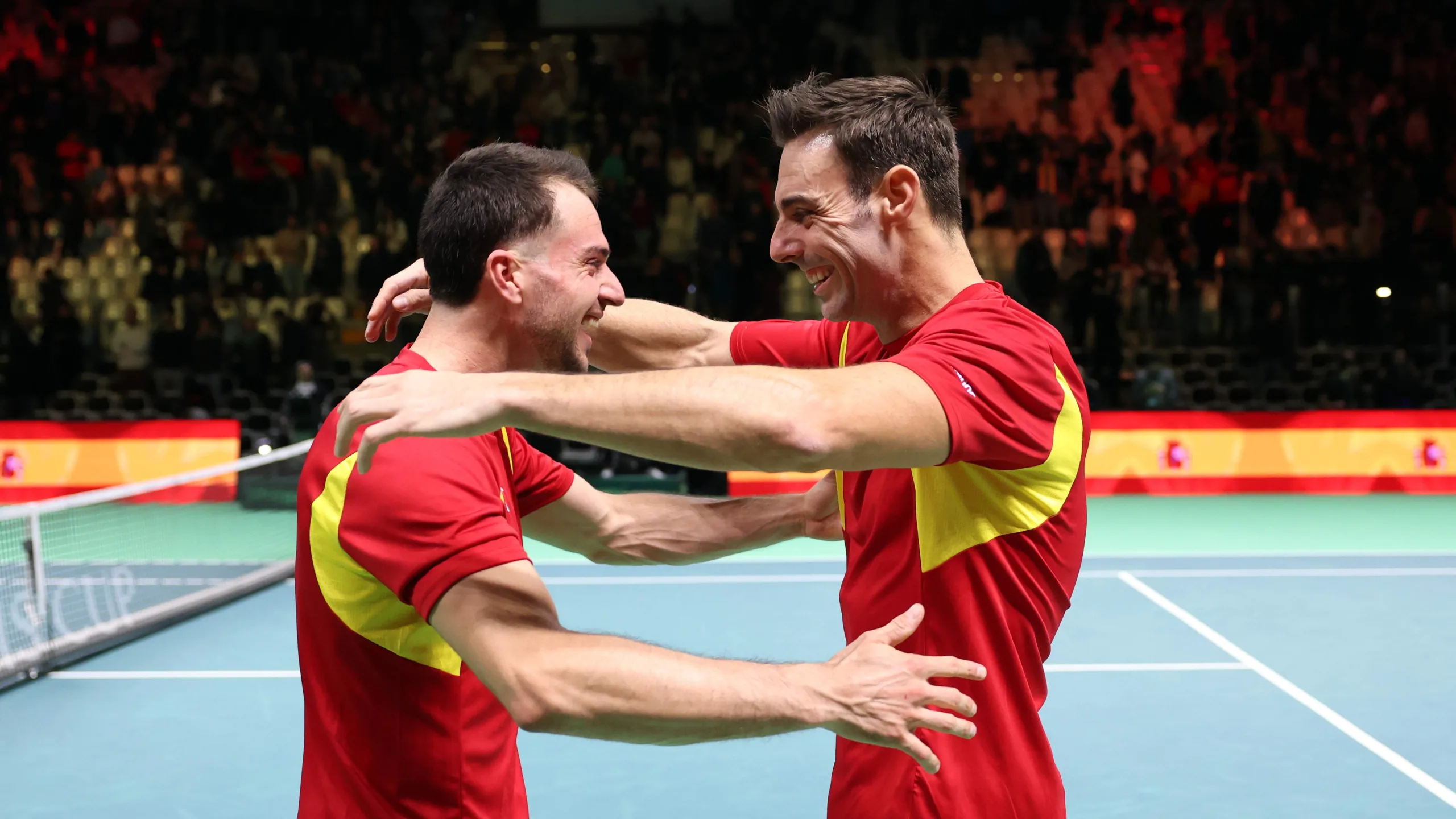
Spain advanced to the Davis Cup final after a decisive doubles victory from Marcel Granollers and Pedro Martínez. The Spanish pairing beat Germany’s Tim Pütz and Kevin Krawietz 6-2, 3-6, 6-3 on Saturday, giving Spain a 2-1 edge in the semifinal and a spot in the title match.
Pablo Carreño Busta opened the tie for Spain by defeating Jan-Lennard Struff 6-4, 7-6 (6). In the second set tiebreaker Carreño Busta saved five consecutive set points before closing out the victory, providing Spain with an early lead.
Germany kept its chance alive when Alexander Zverev responded with a straight-set win over Jaume Munar, 7-6 (2), 7-6 (5). Zverev’s performance forced the tie to a decider, setting the stage for the doubles match to determine who would move on to the final.
Granollers and Martínez produced the key result, handing Pütz and Krawietz only their second Davis Cup loss. Their victory was enough to secure Spain’s return to the Davis Cup final for the first time in six years. Spain reached the last round despite missing its injured No. 1, Carlos Alcaraz.
Host Italy awaits on Sunday with the trophy on the line in Bologna. The doubles win by Granollers and Martínez completed a team effort that combined an early singles breakthrough, a strong reply from Germany, and a decisive performance at the net from the Spanish pair.
The result underlined Spain’s depth in a year when its top-ranked player was unavailable. Granollers and Martínez converted that opportunity into a classic doubles win, and Spain will now contest the Davis Cup final with the confidence of a side that navigated tight singles matches and delivered when it mattered most in doubles.





ATP Tour Davis Cup
Federer’s Davis Cup misgivings still resonate after the format overhaul
Federer’s Davis Cup doubts linger as the modern finals format keeps drawing criticism.
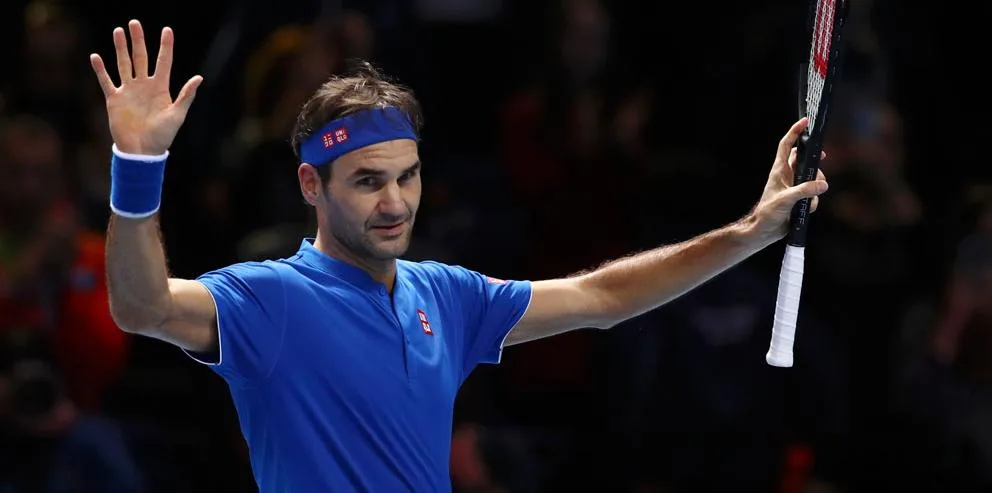
The Davis Cup remains one of tennis’s most prestigious competitions, yet the format introduced in 2018 has continued to draw criticism.
The event once followed a home-and-away model, with ties contested over best-of-five sets. That structure was replaced just under a decade ago, when the Davis Cup Finals were transformed into a single-site knockout event featuring eight teams.
The switch has not won universal approval. Several leading players have voiced their dissatisfaction, among them Jannik Sinner, Alexander Zverev and Carlos Alcaraz. Roger Federer also opposed the move, even though he appeared only sparingly in the competition during the later stage of his career.
Federer’s objection was rooted in concern for what the change meant for the next generation. Speaking in 2018, he said: “Then for Davis Cup, I don’t know how the votes work, to be honest. But clearly the ITF has never historically involved the players, so that is saying — but the federations, yeah, we’re kind of there but we’re actually not there.
“They decided to do that. I’m still a bit surprised. I feel sad about not to have the Davis Cup as it used to be. Will never be the same. This is for the next generation, and I just hope that every penny will be paid of that mass of money that has been paid for the next generation, because we have seen a similar situation way back when with the tour and it set us back in a big way.
“I don’t want that to happen again. But, look, I’m all for innovation, and gotta give them a chance to some extent. It will be interesting to see how it’s going to work.”
Despite his reservations about the modern setup, Federer did experience one memorable Davis Cup triumph. His only title in the competition came in 2014, when he and Stan Wawrinka helped Switzerland defeat France in the final and secure the nation’s first-ever victory in the event.
Federer opened that final with a straight-sets loss to Gael Monfils, but he recovered to beat Richard Gasquet. He then partnered Wawrinka in doubles, and the pair also defeated Gasquet and Julien Benneteau in straight sets as Switzerland completed a 3-1 win.
He finished his Davis Cup career with a 40-8 record in singles and a 12-10 mark in doubles.
Davis Cup
Davis Cup week brings star names back into national duty
Star names return to Davis Cup duty as qualifiers decide who reaches Bologna’s Final 8.
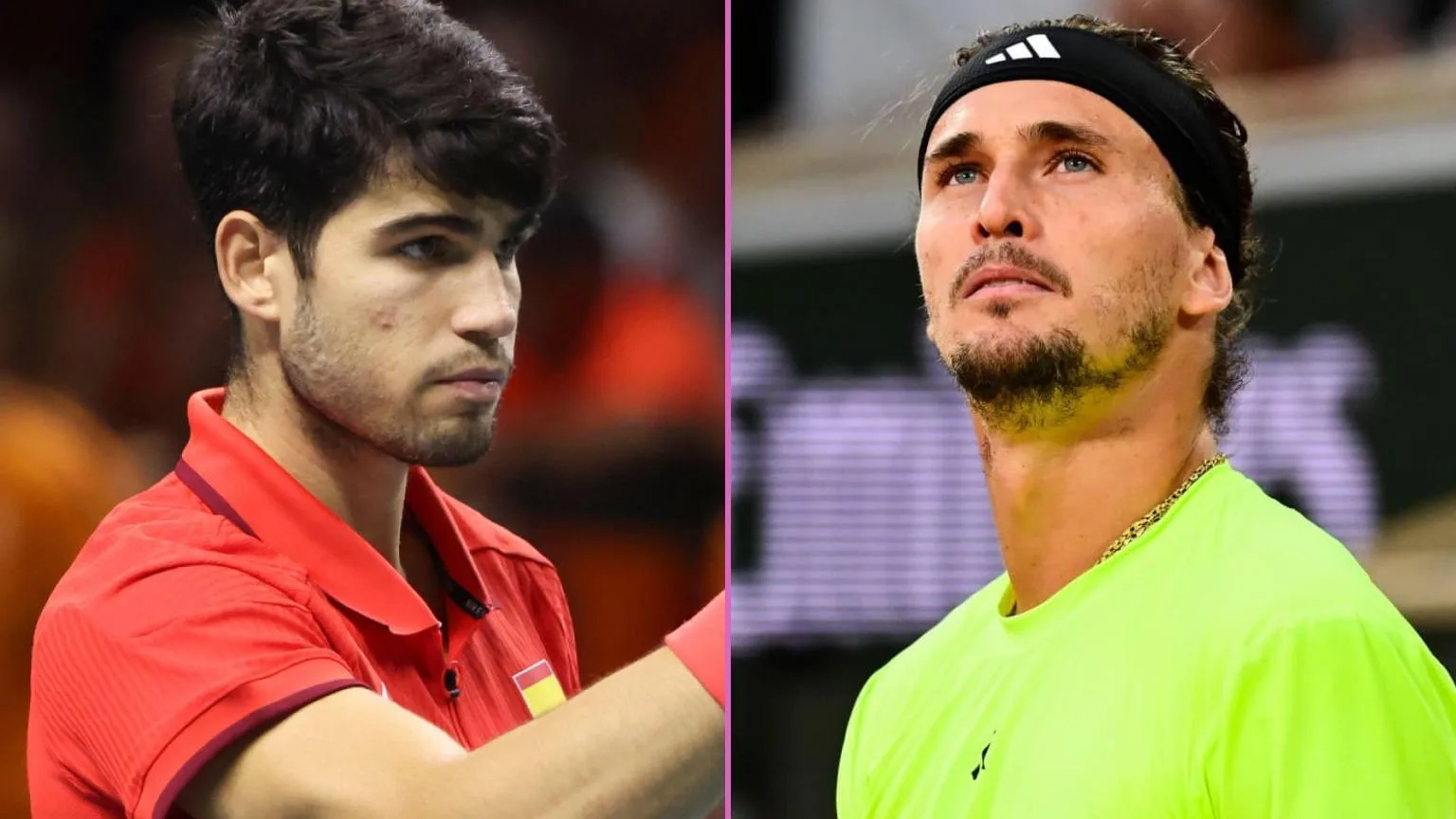
The Davis Cup takes centre stage this weekend, and the old debate around its relevance is being pushed aside by a strong field of players choosing to represent their countries. In recent years, the event has often been marked by withdrawals from leading names, but that pattern looks different now, with several first-choice players committed to what should be tightly fought ties.
The qualifiers are being staged over two rounds of home-or-away ties across two days and best-of-five matches. Their purpose is straightforward: to decide which nations will move on to the season-ending Davis Cup Final 8 in Bologna.
Last February, 26 nations were involved in the previous round, made up of teams beaten in the prior year’s Final 8 and qualifiers, along with promoted sides from World Group I. The 13 winners from that stage have advanced to this second round of qualifying.
Spain join this phase as a wildcard after reaching last year’s Davis Cup final, although they will do so without Carlos Alcaraz. He has said he wants to win the competition for Spain one day, but has chosen not to play against Chile in Santiago as he manages his schedule following a return at the US Open after a four-month break because of a wrist injury. Spain’s line-up features Rafael Jodar, Daniel Merida, Jaume Munar, Martin Landaluce and Pedro Martinez, while Chile have selected Alejandro Tabilo, Cristian Garin, Tomas Barrios Vera and Matias Soto.
Another notable name is Alexander Zverev, who has returned from New York to play for Germany against Croatia in Halle. Ben Shelton is also sticking to his commitment for the USA, who face Czechia in Prague. Felix Auger-Aliassime is in Canada’s team against France, while Arthur Fery is set to represent Great Britain against Ecuador in London.
The Davis Cup began in 1900 as a match between USA and Great Britain and has grown into the world’s largest annual international team competition in sport, with 157 nations entering last year. Italy defended the title they won in 2024 on home soil in Bologna last year, even without Jannik Sinner in their decisive ties.
Davis Cup Features
Alcaraz absent as Spain brace for Davis Cup test in Chile
Spain visit Chile without Alcaraz, and the Davis Cup tie in Santiago looks a stern test.
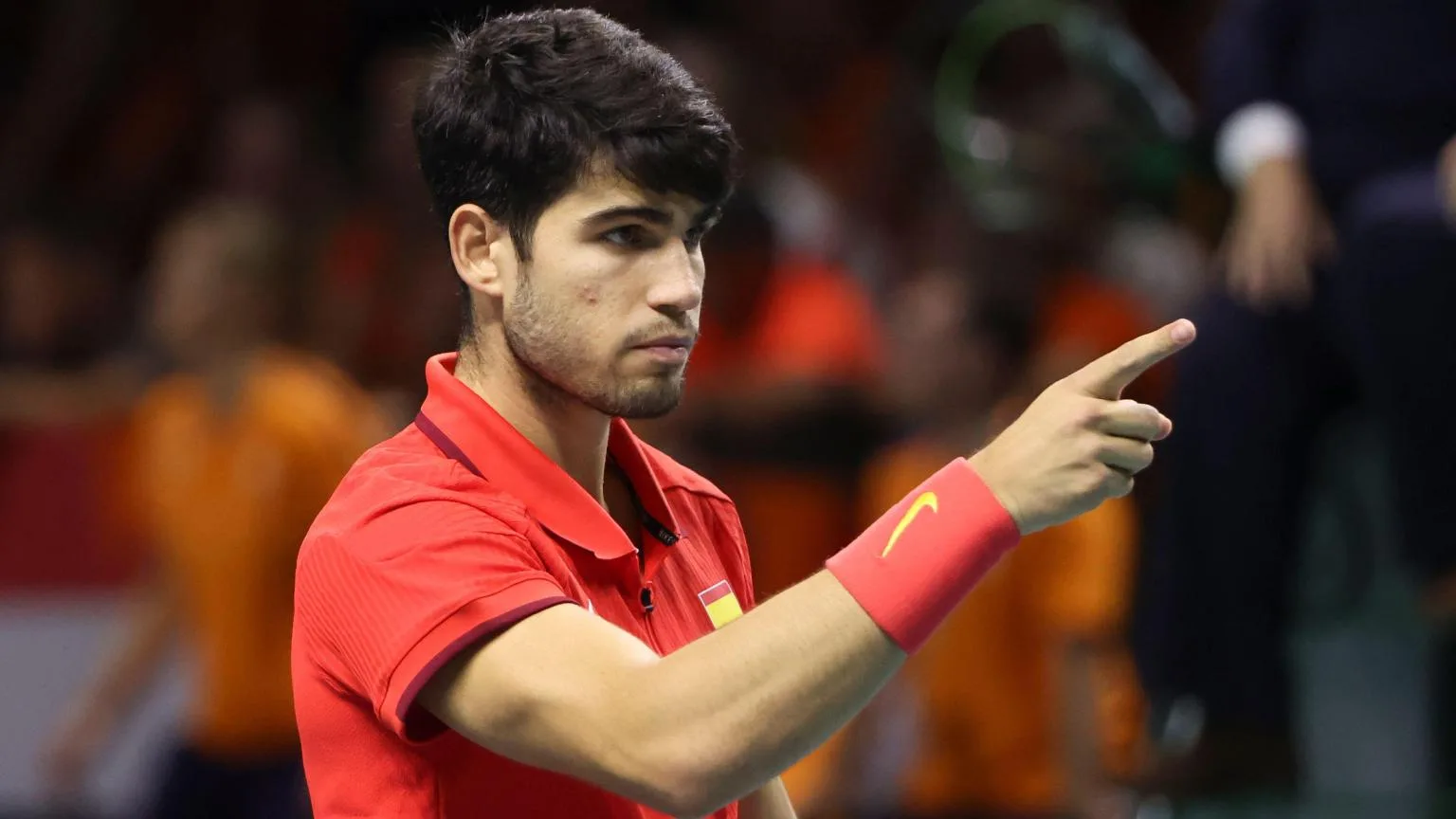
Spain head into their Davis Cup qualifier against Chile without Carlos Alcaraz, with the trip to South America shaping up as a demanding assignment.
Alcaraz returned to competition at the US Open after a four-month absence caused by a wrist injury and reached the quarter-finals, but that short comeback window still left him in no position to be considered for team duty. Spain captain David Ferrer said the decision to leave out the world No 3 had effectively been made well before the squad was announced.
“Carlos, until the very last minute, there were doubts about whether or not he would play the US Open, so he was in a difficult position to compete,” Ferrer said.
“Obviously, the Davis Cup was very difficult for him to be with us, so from the very start I knew that scenario was practically impossible.
“Since then, Carlos has been making good progress; he had a great US Open and hopefully we’ll have the chance to reach the finals because he’ll certainly be with us then.”
Spain also do not have world No 30 Alejandro Davidovich Fokina available, which leaves them with a mixed group for the tie in Santiago. The squad is headed by 19-year-old Rafael Jodar, the highest-ranked player at No 14 in the ATP Rankings, and he will make his Davis Cup debut alongside 21-year-old Daniel Meida, ranked No 41, and 20-year-old Martin Landaluce, who sits at No 62.
The more experienced pair, Jaume Munar and Pedro Martinez, both 29, are set to handle doubles duties.
Chile, meanwhile, will look to use home conditions to their advantage. Captain Nicolas Massu said: “My priority was to put Chile among the best in the world. Having an opportunity to play against Spain at home is something we have to take advantage of,” the former world No 9 said.
“We’re going to approach this series with conviction. You live to face the best in the world. This generation can give much more to Chilean tennis.”
Chile advanced by beating a Novak Djokovic-less Serbia 4-0 in the first round of qualifiers, while Spain entered this stage as the runners-up from the 2025 tournament.

Zverev Arrives at Laver Cup With Europe’s Title Bid in Focus

Alex Eala opens Singapore challenge against Prozorova as ranking gains loom

Zverev’s breakthrough season rewrites a long-running story

Raducanu Arrives at US Open With Momentum After Strong Hard‑Court Swing

Maestrelli Triumphs in Bergamo, Claims Challenger Title and Career‑High Ranking