Governing Bodies ITF Player News
Tennis Kenya accepts mistake after viral W35 wildcard performance
Tennis Kenya says a wildcard for Hajar Abdelkader was wrongly granted after a viral 37-minute match.

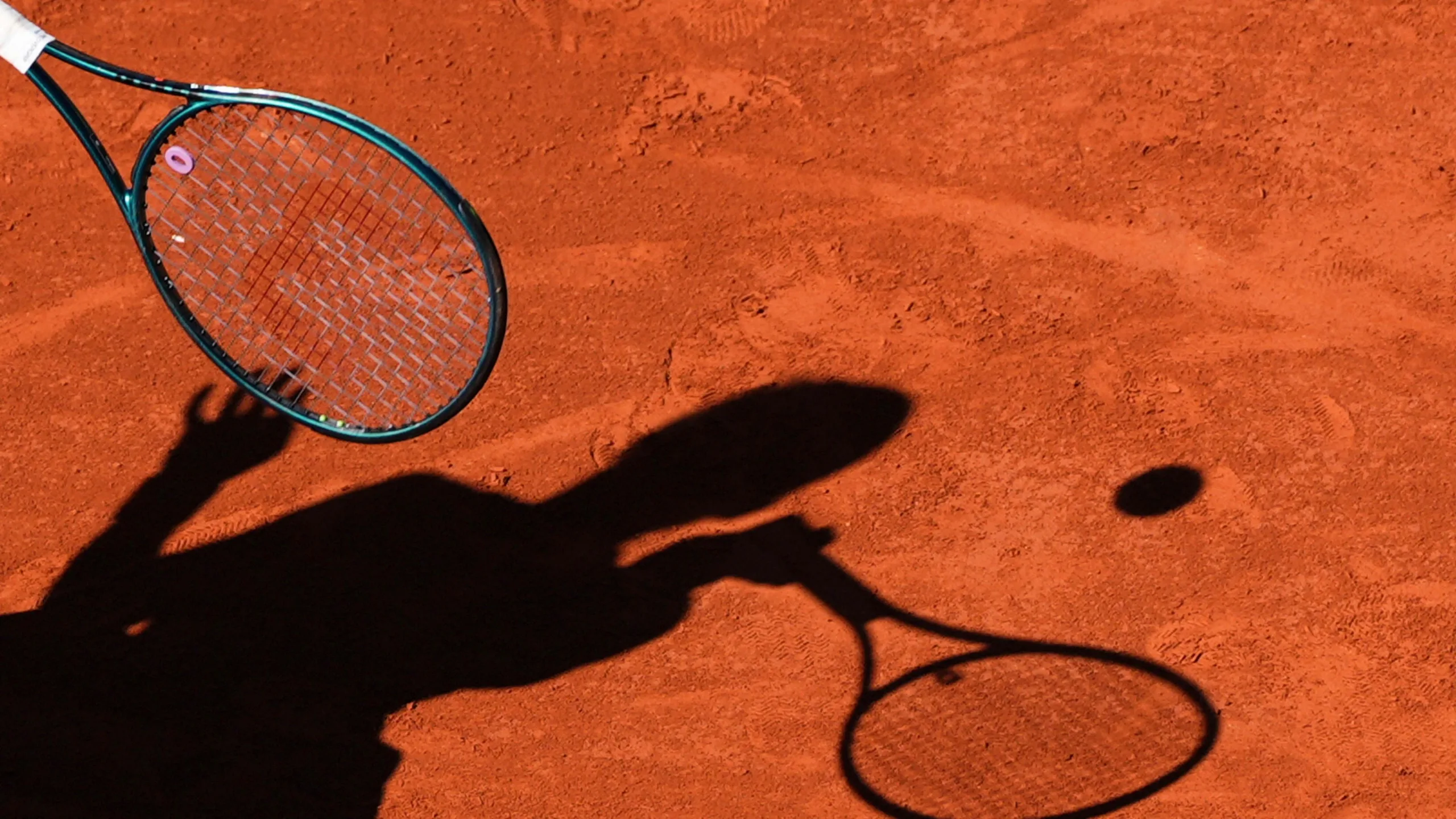
Tennis Kenya has acknowledged an error in awarding a main-draw wildcard after video of Hajar Abdelkader’s performance at an ITF W35 event drew widespread attention.
The 21-year-old Egyptian lost her first-round match 6-0, 6-0 in 37 minutes, winning three points. The match footage showed persistent serving problems, including 20 double faults, and at one point she appeared to need direction on where to stand to serve.
Tennis Kenya, which is hosting the W35 tournament, issued a statement addressing concerns about the decision to grant the wildcard. The organization’s statement said it was “aware of concerns” raised about Abdelkader’s participation.
“In hindsight, Tennis Kenya acknowledges that this wildcard should not have been granted. The federation has taken note of this experience and will ensure that such an extremely rare occurrence never happens again,” it said in a statement Thursday.
The federation explained the circumstances that produced the available slot. “The slot became available following a short notice withdrawal by the originally awarded main draw wildcard recipient, who opted into the qualifying draw,” the statement said. “At the time, Ms Abdelkader was the only other player who had requested a wildcard, and the decision was taken on the information provided and in the interest of maintaining a full and balanced draw while supporting the development of tennis in Africa.”
Tennis Kenya added that the wildcard had been issued based on information provided by the player. “In this instance, Ms Abdelkader indicated that she had an appropriate level of competitive playing experience, and the wildcard was issued based on the information provided.”
The federation indicated it will use this episode to review procedures around discretionary entries. The match has prompted debate about wildcard standards and the balance between developing regional players and preserving competitive integrity at professional events.

Features Governing Bodies
WTA finances come under scrutiny as 2027 debate gathers pace
WTA finances are under scrutiny as reports, rising costs and talk of merger shape 2027 debate.
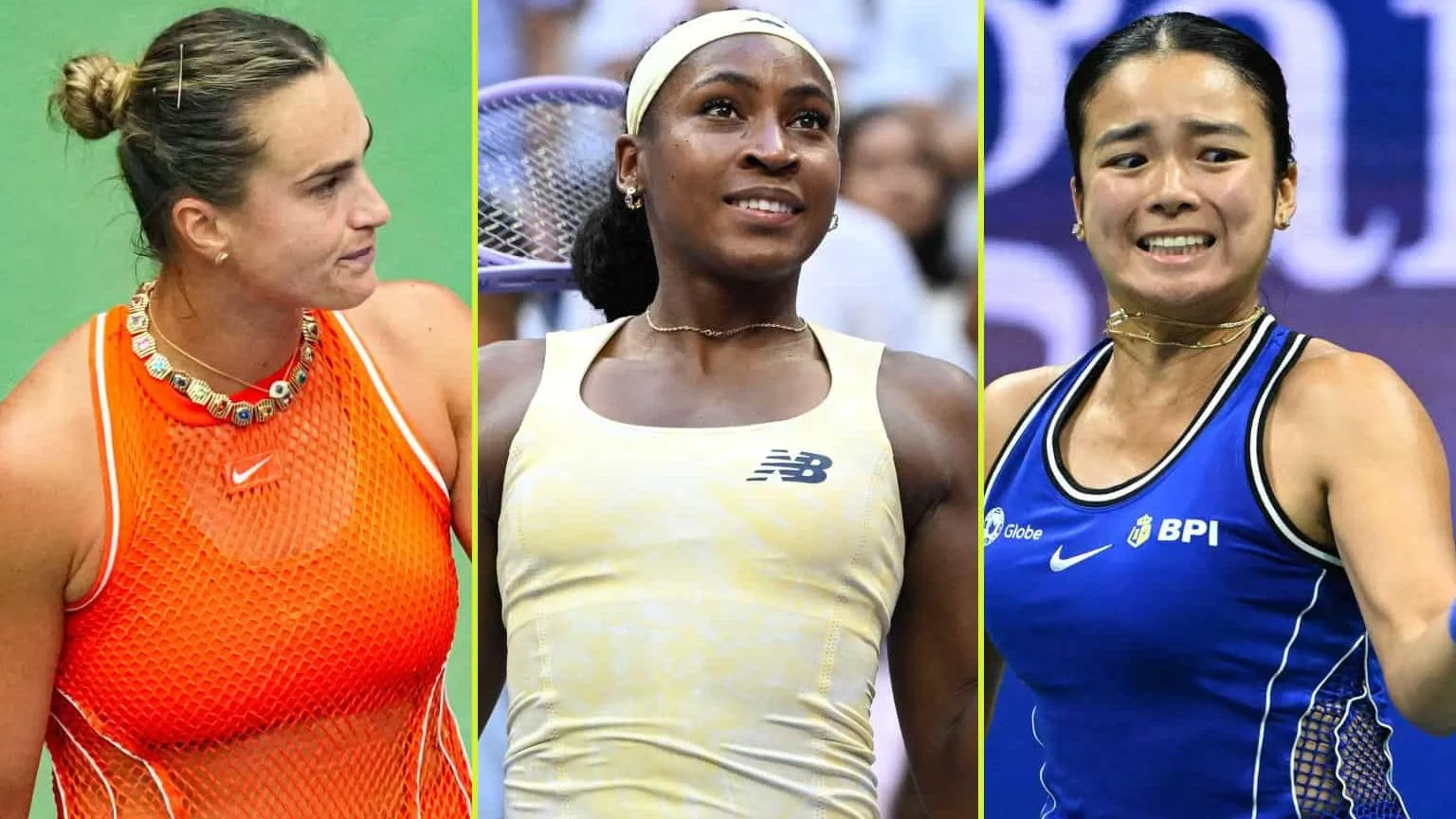
The WTA Tour’s financial outlook is likely to remain a major talking point as 2027 approaches, with reports raising questions about how the organisation will sustain itself in the years ahead.
According to a report in England’s Daily Telegraph, the WTA may face operating losses after its agreement with Saudi Arabia’s Public Investment Fund ends. That deal had been lucrative, but its expiration has already led to the WTA Finals moving from the Arab kingdom to America.
The tour’s budget has also been stretched by higher prize money and television deals that are believed to be less valuable than those secured by the men’s ATP Tour. Even so, women’s tennis remains in a strong commercial position, helped by several of the biggest names in sport.
Coco Gauff, Aryna Sabalenka and Alex Eala are drawing major global attention, and Gauff has been ranked by Forbes as the highest-paid female sports star in the world over the past two years. The numbers underline that strength. Four of the five highest-paid athletes in the world compete on the WTA Tour, with Gauff said to have earned an estimated $33million from prize money and sponsorship in 2025, while Sabalenka is reported to have earned $30million over the same period.
Six-time Grand Slam champion Iga Swiatek is estimated to have earned $25.1million last year, and Eala is expected to move into that level soon after her rise as the new standout figure in women’s tennis this year.
The financial questions may prompt renewed discussion about whether the women’s and men’s tours should work more closely together. Ideas about a merger have surfaced many times, but they have repeatedly failed to progress.
Former US Open finalist Greg Rusedski believes a solution will be found that keeps women’s tennis sustainable.
“If you look at the highest paid female athletes in the world, there’s usually two or three tennis players on the list,” said Rusedski, in an episode of his Off Court podcast that will be released on Monday.
“The WTA will find sponsors, but they have to find the right brands and right partners and they have a lot of upsides.
“Eala has been huge for them. Every time she plays, it’s sold out. Sabalenka is a great character, Elena Rybakina the new world No 1.
“They have to find a way to push it forward and get the right sponsors in.
“Combining the two tours? It has been spoken in the about in the past, but it never becomes a reality.
“Everyone needs to sit in a room together and work out how this can be financially viable. If you combine the men’s and women’s game, you might be able to increase revenue for both.
“It’s all about personality and names. If Eala played every match, the WTA could charge big money, but it can’t work like that.”
The issue is set to keep running through 2027, with the hope throughout tennis that the women’s game stays financially secure while the on-court product continues to thrive.
Governing Bodies Grand Slam
Alex Eala’s US Open leap shows how quickly her game has changed
Alex Eala’s US Open run reflects a major rise in serve, return, and confidence this season.
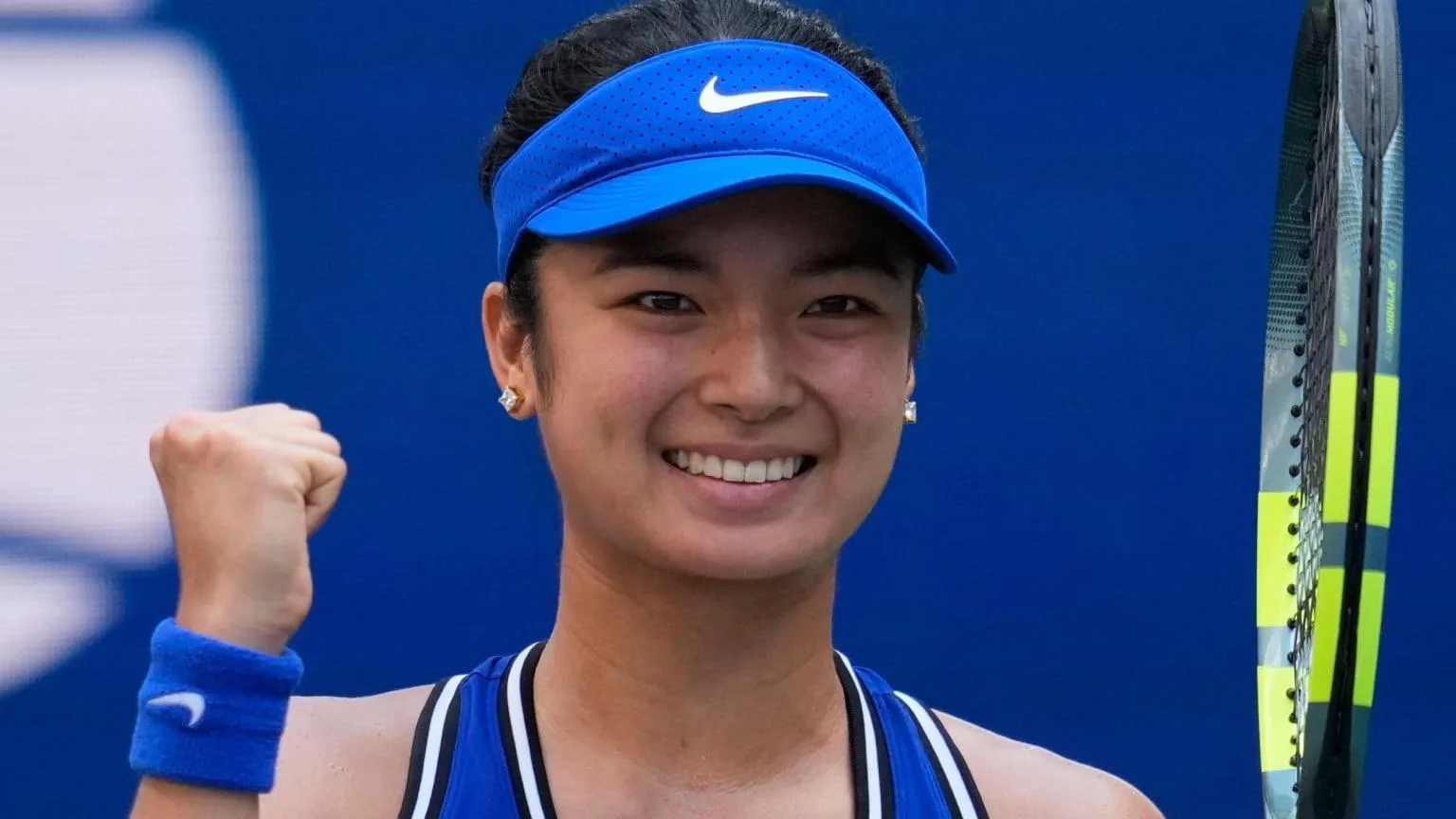
Alex Eala’s first win at the US Open marked a defining step in the rise of one of the WTA Tour’s most watchable young players.
On a lively Grandstand court, the 2022 US Open junior girls’ singles champion and world No 70 became the first Filipina to appear in the women’s singles draw at Flushing Meadows. She did it in dramatic fashion, recovering from a double break down in the third set to beat No 14 seed Clara Tauson and set off scenes of celebration.
That result underlined Eala’s growing appeal, although her campaign was stopped in the next round by Cristina Bucsa. Any thought that she might immediately push deep into the second week disappeared with that defeat, but the broader picture has still changed sharply.
A year ago, Eala was still very much a player in development, with her education under coach Joan Bosch at the Rafael Nadal Academy in Mallorca only in its early stages. Now, she has reached the third round at the US Open for the first time, and the difference is obvious.
The biggest gains have come in her serve. It was a clear weakness only months ago, especially for a player of her size and build, but she has added pace and improved her placement. Her second serve now carries more threat in key moments, and rivals who used to expose that part of her game are having a harder time doing so.
Her backhand has also become more complete. Already a lively shot, it now comes with more variation and sharper angles, making it particularly effective on return. Top players have been pushed onto the defensive quickly, while lower-ranked opponents have also struggled to absorb the pace from both wings.
In her second-round win over Oleksandra Oliynykova, Eala showed further signs of maturity by stepping inside the court and taking the ball early. That approach neutralised a looping tactic designed to disrupt her rhythm.
“What I think she has improved on is adding pace to her game,” declared former British No 1 Laura Robson on Sky Sports.
“She has always been able to take the ball early, but I think especially on the forehand side she is ripping it more than ever and it’s made the biggest difference on the faster surfaces. It’s a bit more lively, and she gets a bit more purchase on it.”
Eala is still at an early point in her career, and there is more to add. Even so, she already has enough tools to trouble the best players in the game, and her progress has made her one of the more compelling stories of the tournament.
Governing Bodies Grand Slam
Tennis and Motherhood: Seven Players Rewriting the Rules of the Tour
Seven top players have combined motherhood with elite tennis, helping reshape the WTA landscape. now
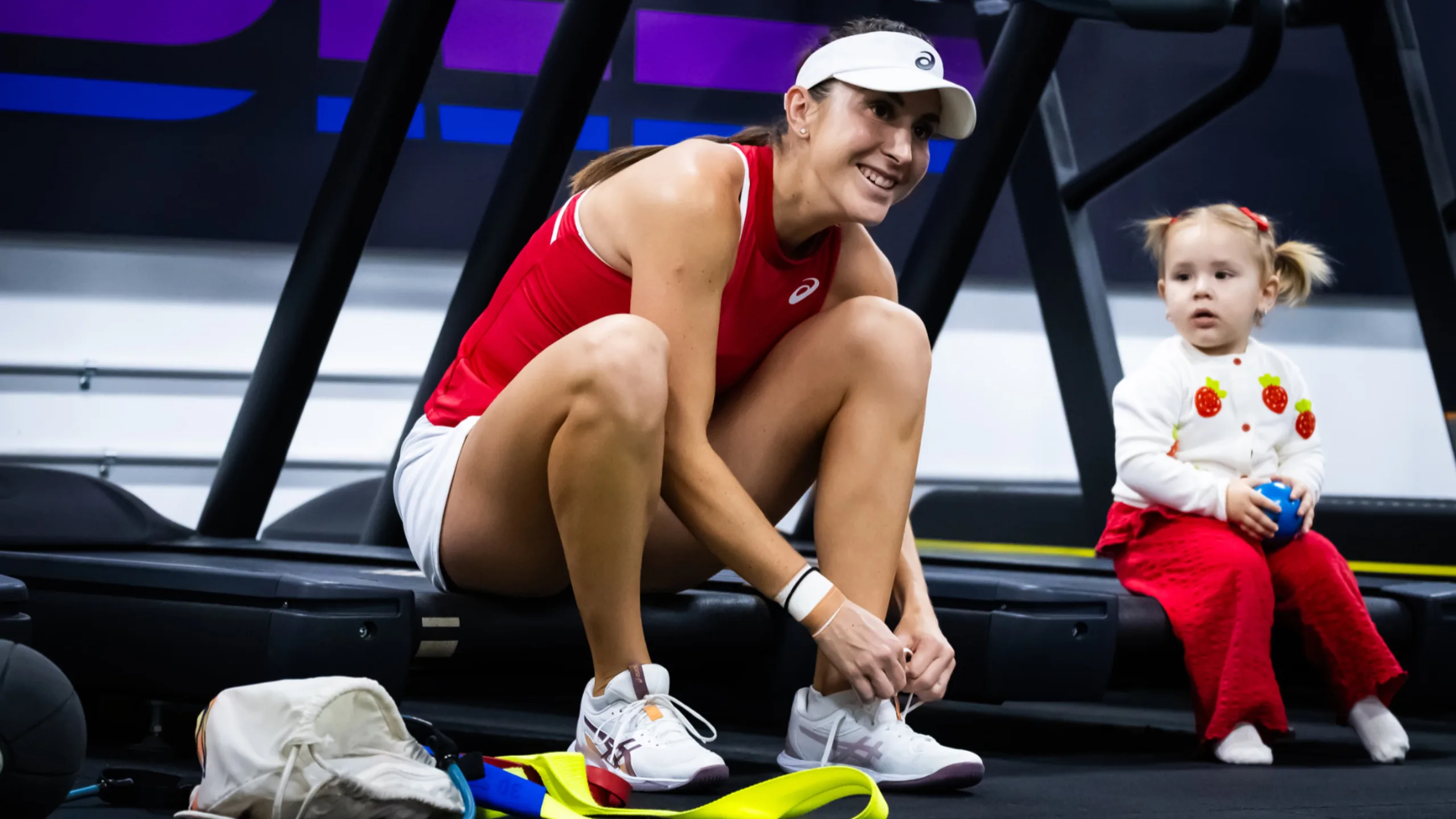
Motherhood no longer signals the end of a professional tennis career. Over the past several years a group of high-profile players have combined elite competition with family life, returning to form and pushing for structural changes on the tour.
Naomi Osaka returned to the WTA Tour in 2024 after giving birth to her daughter, Shai, in July 2023. Her comeback included runner-up finishes in Auckland and Montreal last season.
“She likes to watch my practices on FaceTime, which is new. She’ll call and we’ll put (the phone) on the chair. It’s so cute because I can hear her saying, ‘Go mommy, go!’ on the sidelines.
“Things like that make me realize how much older she’s getting and how she’s developing.”
Elina Svitolina came back in April 2023 after giving birth to daughter Skai in October 2022, whom she shares with Gaël Monfils. Months after her return she won her first title as a mother in Strasbourg and has continued strong form, including an Auckland title this year a year after Monfils won the ATP trophy at the same event.
“Motherhood has given me a whole new level of motivation. Now, I’m not just playing for myself—I’m playing for my daughter, showing her that women can chase their dreams and succeed.
“It’s also helped me put things in perspective—when I step on the court, I give it my all, but at the end of the day my family is my greatest victory.”
Taylor Townsend, who welcomed her son AJ in 2021, became the first mother in women’s tennis history to reach world No. 1 in doubles. Since becoming a mom she has won Wimbledon 2024 and the Australian Open 2025 in doubles with Katerina Siniakova, and her 2026 season has produced titles at Indian Wells, Miami and Madrid as well as her first WTA singles final in Austin.
“Being a working mom, it’s not easy. Coming back with trophies kind of just shows that it was worth it.”
Caroline Wozniacki retired in 2020 to start a family with David Lee, welcoming Olivia and James, returned to the tour in 2023 and stepped away again after announcing the arrival of baby Max in 2025.
“My family is the most important thing to me, but at the same time, I love winning… I think sometimes that mom guilt comes out, but I try and manage it as well as I can.”
Angelique Kerber stepped away after giving birth to daughter Liana in February 2023, returned in 2024 for a farewell season that ended with a quarterfinal run at the Paris Olympic Games, and in 2025 welcomed her second child, Ben, closing her playing career.
“I still love tennis but first and foremost, I’m a mother with my whole heart. There’s a little person in my life that is far more important than tennis.”
Victoria Azarenka, who gave birth to son Leo in 2016 when the tour offered no maternity leave protections, returned and became an advocate for mothers on tour. The WTA now provides paid maternity leave, parental assistance and fertility treatment support.
“When I became pregnant, the immediate question was: Can I come back? I was in the Top 5, and I still had doubts. There were no rules to support players in my situation.
“Players now have the chance to extend their career and plan their futures differently. It’s no longer just ‘before family’: they can have a family and keep competing.”
Belinda Bencic returned late in 2024 after giving birth to daughter Bella and quickly reestablished herself among the sport’s elite. In 2026 Bencic joined Svitolina as one of two mothers simultaneously ranked inside the WTA Top 10.

Zverev Arrives at Laver Cup With Europe’s Title Bid in Focus

Alex Eala opens Singapore challenge against Prozorova as ranking gains loom

Zverev’s breakthrough season rewrites a long-running story

Raducanu Arrives at US Open With Momentum After Strong Hard‑Court Swing

Maestrelli Triumphs in Bergamo, Claims Challenger Title and Career‑High Ranking