
Tennis News
Vondrousova ban explained as ITIA outlines reasoning behind four-year sanction
ITIA chief Karen Moorhouse explains why Marketa Vondrousova received a four-year ban.

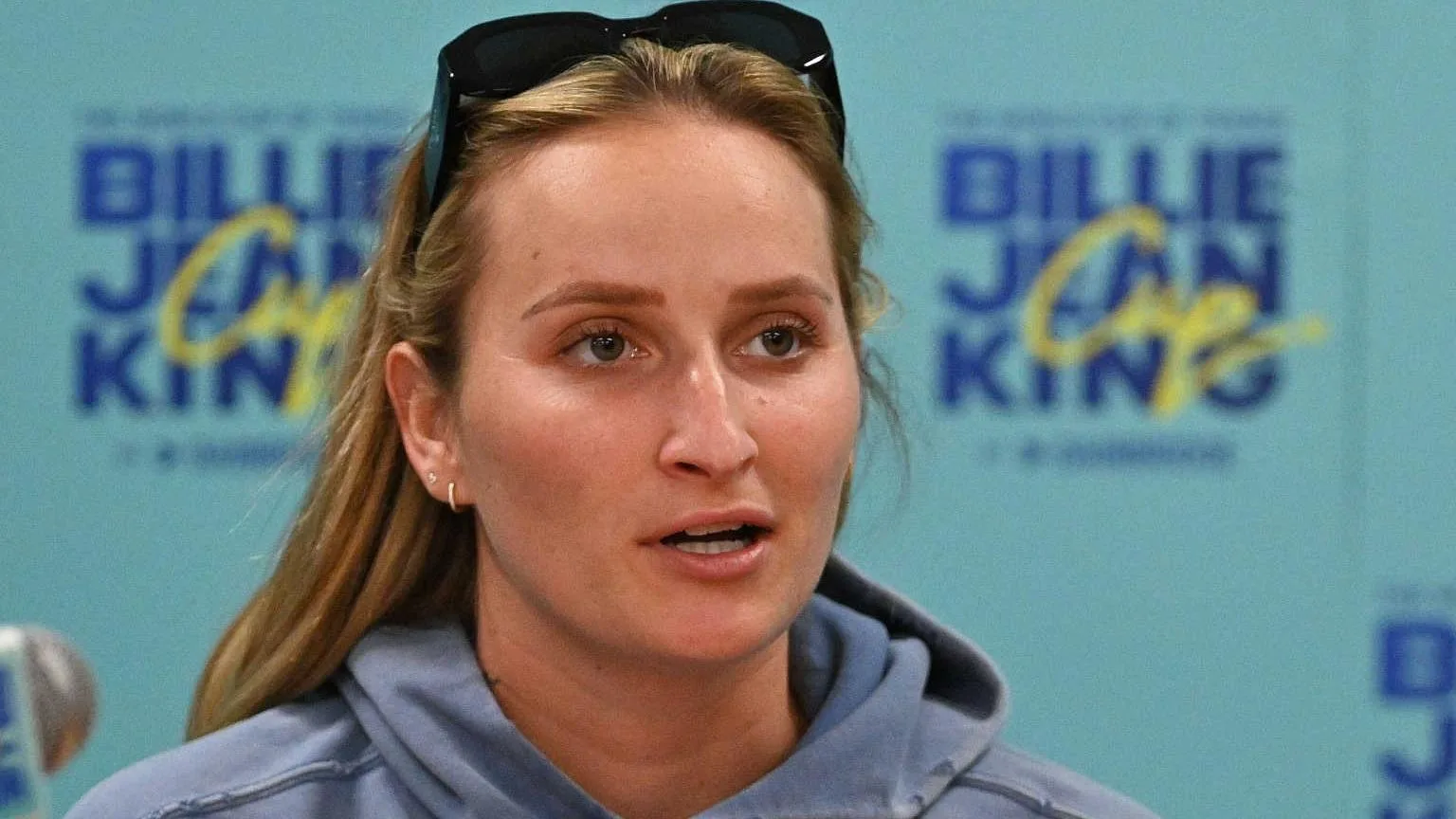
Former Wimbledon champion Marketa Vondrousova is facing one of the most severe punishments in recent tennis memory after refusing to take a doping test led to a four-year ban.
The 2023 Wimbledon winner was sanctioned after declining to provide a sample to a doping control officer during an out-of-competition test attempt at her home last December. Vondrousova said her decision was influenced by concerns for her safety, along with stress and poor mental health. The International Tennis Integrity Agency, however, charged her with refusing to submit a sample.
An independent tribunal later ruled that the evidence offered by the Czech player had “no compelling justification” for the refusal.
After the ITIA announcement, the former world No 6 issued a lengthy statement on social media and said she had never failed a doping test. She wrote: “Just three days after the incident that ultimately changed my life. I was tested again.
The result was negative, just like every test before it. The past seven months have been the hardest of my life. Seven months of waiting.”
ITIA chief Karen Moorhouse has since explained the basis for the sanction in an exclusive extract from Off Court with Greg Rusedski. She said the framework is designed so a player cannot be in a better position by refusing a test than by taking one and testing positive.
“We really recognise that it’s a significant sanction and therefore I totally understand that initial reaction that people have to the length of the sanction,” Moorhouse said. “Just taking a step back, the reason for that is that the framework sets out that you can’t be in better position by refusing to take a test than you would be by taking a test and testing positive.
“So that four years is aligned with the starting point for testing positive for a prohibited substance.”
She added that the tribunal can still consider whether there is a compelling reason to reduce or remove the ban, and stressed that education remains central to the ITIA’s anti-doping work across the sport.


Canadian Open hit by further withdrawals as top names continue to fall away

Sinner’s serve numbers reveal a mixed picture despite his dominance

Alcaraz injury concerns deepen after World Cup final appearance

Alcaraz Confronts On‑court Microphones During US Open Practice Ahead of Opelka Match

Raducanu Arrives at US Open With Momentum After Strong Hard‑Court Swing

Cervara: Ending an eight‑year partnership with Medvedev was necessary to change the energy
-
 ATPFrench OpenGrand Slam2 months ago
Djokovic upbeat on Roland Garros fitness as he aims for 25th major
-
 French OpenGrand Slam2 months ago
Sabalenka credits communication and recovery in focused Roland Garros preparation
-
 ATPFrench OpenGrand Slam2 months ago
Moise Kouame Breaks Through at Roland Garros, Channels Djokovic in Win Over Marin Cilic