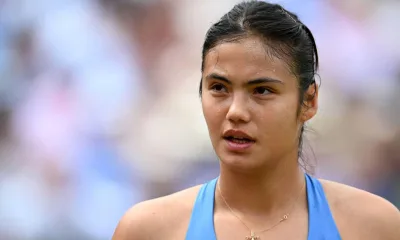
WTA to introduce one-time SRY screening under updated eligibility policy
WTA will require a one-time SRY test for future eligibility under a revised policy.


The WTA has announced a significant change to its eligibility rules, saying players will in future be required to complete a one-time genetic sex test. The move is designed to stop transgender women from competing on the Tour.
The new policy takes effect on Tuesday. Under the revised process, players will be able to take a once-in-a-lifetime test for the SRY gene, which helps determine biological sex, using either a cheek swab or a blood test.
This marks a clear departure from the previous framework. Before the change, transgender players could compete on the WTA Tour if they declared their gender as female and kept their testosterone below the required level for a two-year period before turning professional.
There are no known transgender women competing at the highest level in women’s tennis. Journalist Ben Rotherberg said the “WTA is the first independent professional women’s sports league or tour to mandate such genetic screening for all of its athletes”.
In a statement issued to Bounces, the WTA said: “The WTA’s Women’s Eligibility policy is designed to promote equal athletic opportunities in women’s professional tennis and maintain fair competition for all players participating in WTA tournaments.
“Since first being introduced in 1975, the eligibility policy has undergone periodic review in light of developments across international sport. Following the most recent review, which included consultation with WTA members and evolving standards across women’s sport, the Board approved a new policy beginning in 2026 based on biological sex.
“The updated policy is intended to provide a clear eligibility standard for participation in WTA tournaments. Eligibility to participate in WTA tournaments will be confirmed through a required, one-time screening process for the SRY gene. Player screening will begin in 2026, following all appropriate confidentiality and data privacy safeguards and concurrent with a comprehensive player engagement program.
“The WTA recognizes that this is a sensitive and complex issue and is committed to treating all players with dignity and implementing the policy in a respectful and thoughtful way. Additional detail can be found in the full policy.”
Renee Richards was the last known transgender woman to compete professionally, playing on the Tour from 1977 to 1981 before later coaching Martina Navratilova. Navratilova has long opposed transgender athletes in women’s sports, and she welcomed the WTA’s decision by replying on X: “A step in the right direction by the @WTA.”

Analytics & Stats ATP Tour
Zverev Arrives at Laver Cup With Europe’s Title Bid in Focus
Zverev arrives at the Laver Cup with Team Europe aiming to reclaim the trophy in London.
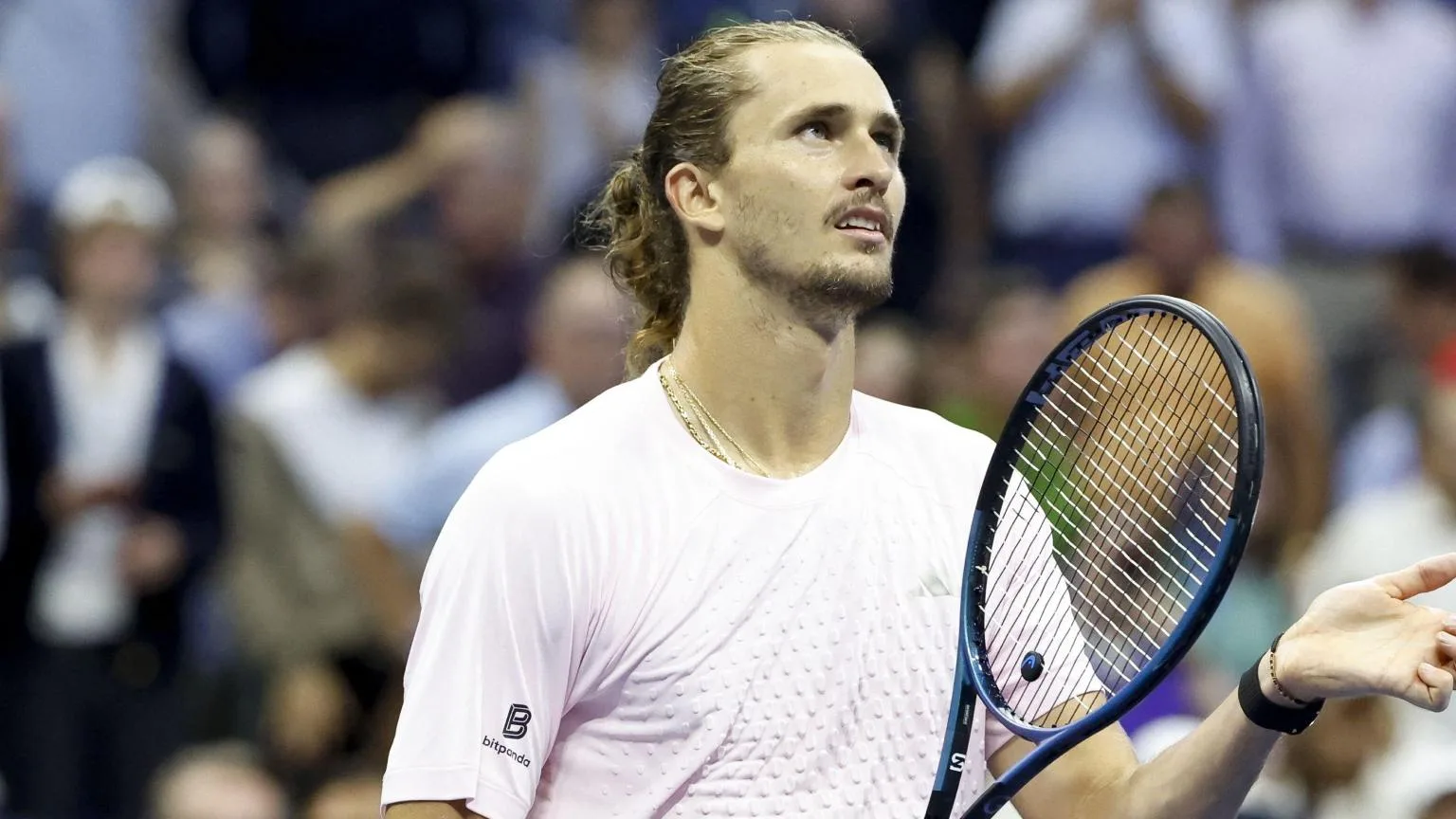
Alexander Zverev has already reached the Laver Cup as he continues a packed 2026 season, and his attention has quickly shifted to Team Europe’s attempt to reclaim the trophy.
The German has been a constant presence on the men’s tour this year, a run that has helped him take advantage of injuries to Carlos Alcaraz and Jannik Sinner. That consistency has also carried him to the biggest results of his career, with Zverev winning Roland Garros and the US Open to claim his first two Grand Slam titles. He is now close to Sinner’s world No 1 ranking.
For the moment, though, the Laver Cup is the immediate target. Team Europe were beaten by Team World at the 2025 event in San Francisco, and Zverev is determined to help put things right.
He has long been one of the event’s most familiar figures, and he explained why the format continues to appeal to him while practicing at the tournament.
Speaking during his practice sessions at the tournament, Zverev said: “I love the competition. I’ve been part of all the European teams that have won the Laver Cup.
“Of course, we want to bring the Laver Cup back to Europe and try to win it. I think we have the best players in the world here. It’s special to be on a team with them and to build a strong team. We will do everything to win this weekend.”
His record at the event helps explain that attachment. Since the Laver Cup began in 2017, Zverev has made seven appearances, more than any other player. He has won the competition five times, more than anyone else, and also owns the most singles wins, the most singles points and the most points overall.
Zverev’s career Laver Cup record stands at 9-7, a 56% winning rate. Over the years, he has shared the team environment with players such as Roger Federer and Carlos Alcaraz, and has beaten Frances Tiafoe and Milos Raonic in singles.
This year, he will line up alongside Alcaraz, Rafael Jodar, Casper Ruud, Jakub Mensik, and Flavio Cobolli under Yannick Noah and Tim Henman. Their opponents will be Team World, coached by Andre Agassi and Pat Rafter, with Taylor Fritz, Alex de Minaur, Learner Tien, Brandon Nakashima, Alexander Bublik, and Francisco Cerundolo in the squad.
The tournament is scheduled for The O2 Arena in London from September 25th to 27th, with singles and doubles matches spread across the weekend.
1000
Alex Eala opens Singapore challenge against Prozorova as ranking gains loom
Eala begins in Singapore against Prozorova, with ranking gains and a clearer draw within reach.
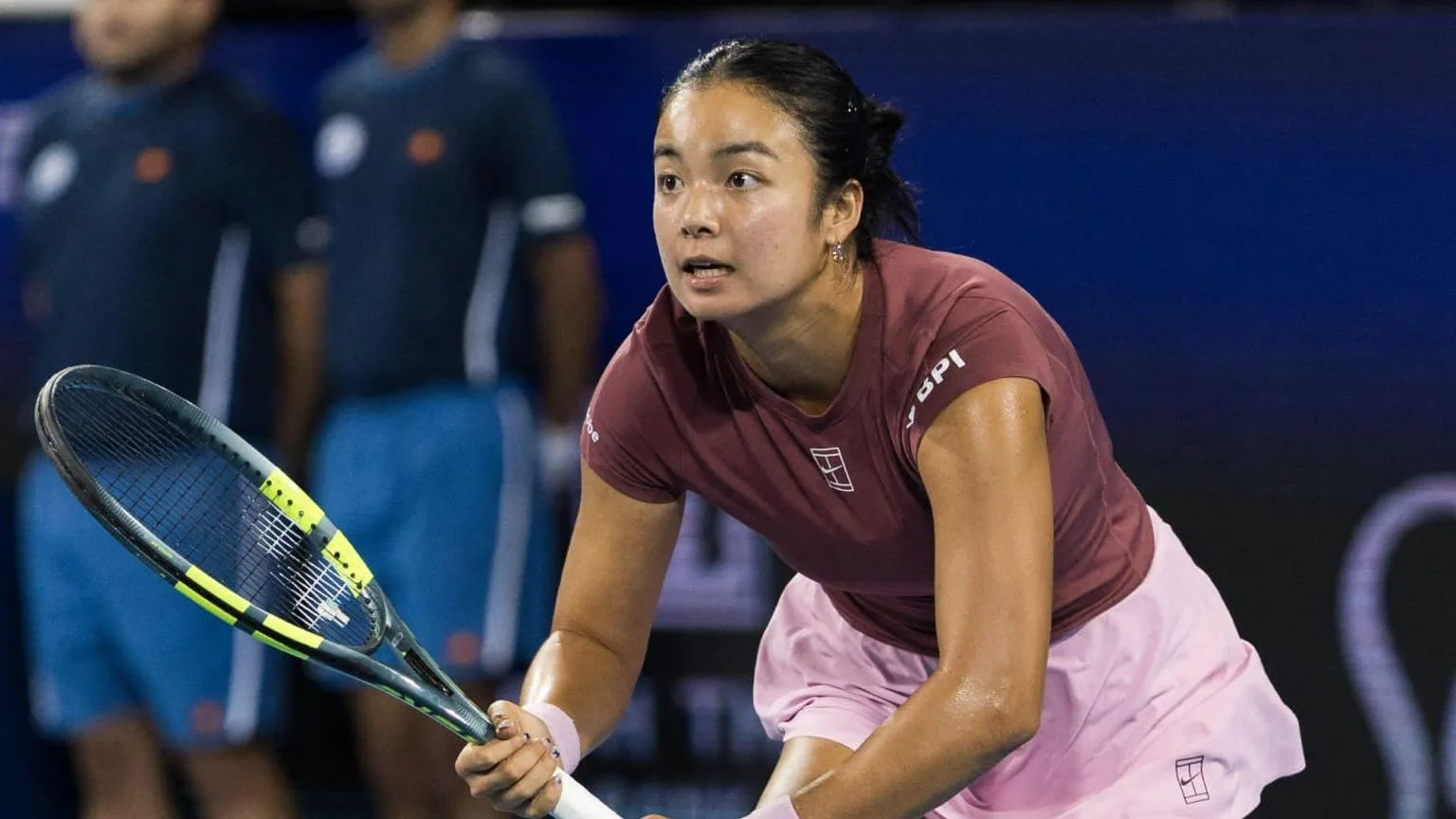
Alex Eala will start her Singapore Open run against Tatiana Prozorova in the second round, with her first match since a tense three-set defeat to Iva Jovic in the third round of the US Open on 6 September.
On paper, the route to the WTA 500 final has become slightly less demanding. Eighth seed Donna Vekic fell in the opening round, while second seed Amanda Anisimova withdrew at the last moment because of a wrist injury. Eala had been projected to meet the American, who beat her in three sets in Cincinnati last month, in the semi-finals. If Eala goes all the way to the final, the only seed she can potentially face before that stage is seventh seed Maria Sakkari.
Interest in her return is growing, especially from supporters who will have the chance to follow her much closer to home. Tournament director Yazed Osman has welcomed that attention and was clear about Eala’s wider appeal.
She said, “The Eala story is not only unique to the Philippines, but also with the tennis fraternity globally. She played her first few games here in the WTA during the WTA Finals. We have the Future Stars program, and she won that tournament when she was 12 years old. And the family shared that they remembered the OCBC Arena, and the courts where she stayed and so on.
“And then last year she also featured in the Singapore Tennis Open 250, and now this 500. So her journey itself has been an inspiration to the tennis community, and I think the region is actually coming here and feeling very excited to see her perform at the highest level.”
According to the tournament website, Eala will face world No 180 Prozorova on Thursday, 24 September. She is scheduled as the fourth match on Centre Court, with the round-of-16 meeting set for no earlier than 6.30pm local time, 11.30am GMT/BST.
Eala will be on court after Joanna Garland meets Xin Wang and before Sakkari faces Nao Hibino.
A win would move her ahead of Naomi Osaka to 17th in the rankings, while lifting the title would take her to a career-high 14. With many rivals absent from WTA Tour action this week, the Singapore event offers Eala a clear chance to improve her position before the Asian Cup.
ATP Tour
Zverev’s breakthrough season rewrites a long-running story
Zverev’s breakthrough year has changed the narrative after Noah recalled his doubts and frustration.
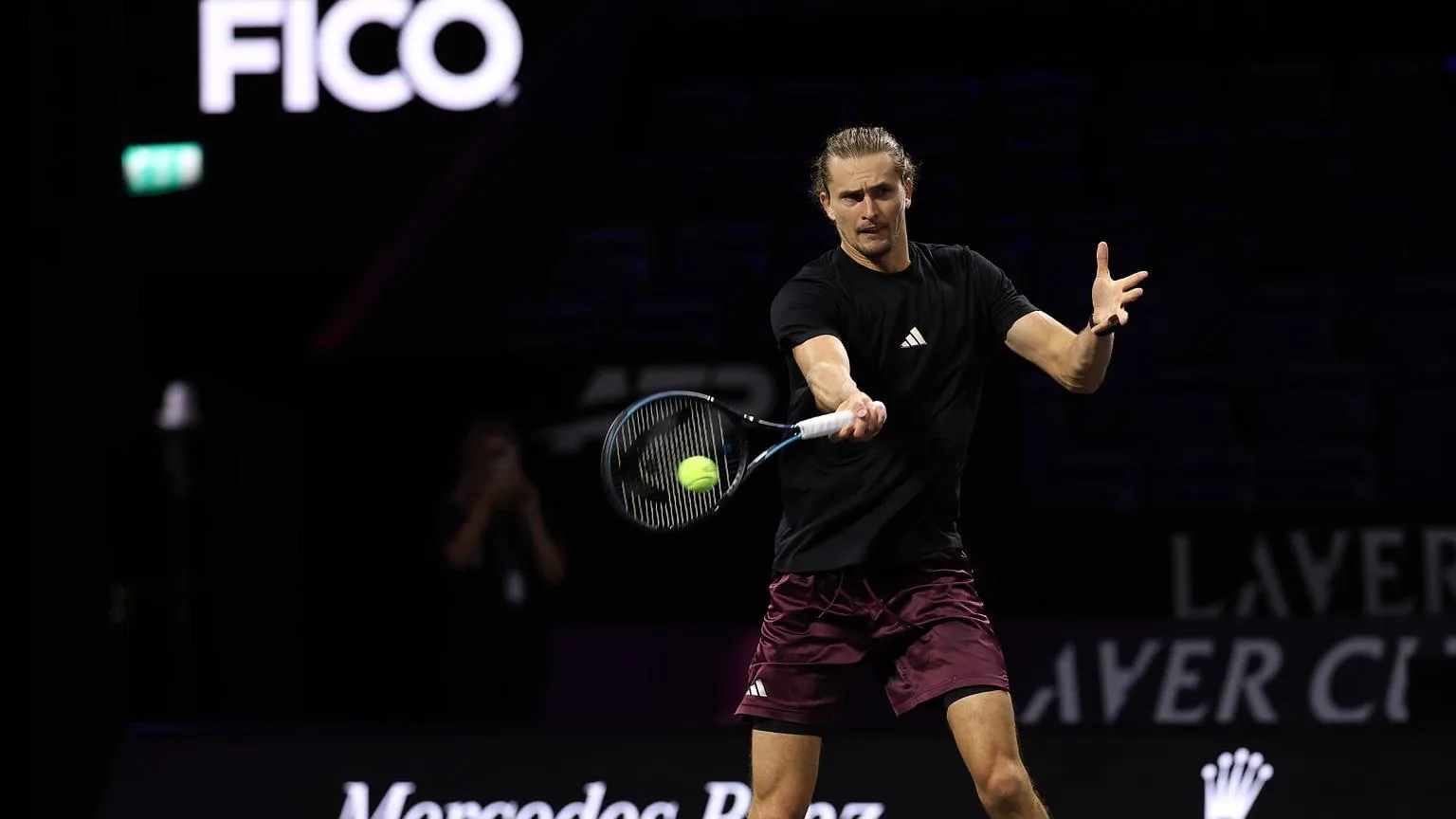
Alexander Zverev has finally put an end to years of frustration by winning two Grand Slam titles in 2026, a development that left Yannick Noah reflecting on how uncertain the German once felt about ever getting there.
Zverev first lifted a major trophy at the French Open in June, then reinforced that achievement by beating Ben Shelton in the US Open final earlier this month. After so many seasons of falling short against Roger Federer, Rafael Nadal and Novak Djokovic, it had sometimes appeared that the next wave of champions, Jannik Sinner and Carlos Alcaraz, would keep the door closed as well.
Noah, who captained Team Europe at last year’s Laver Cup in San Francisco, said Zverev was not in a strong place mentally at the time. The German went on to lose the event’s decisive match to Taylor Fritz, and Noah suggested confidence was part of the issue.
“This guy tried so hard, kept coming back, you know, he’s coming up against Nadal, then he’s coming up against Djokovic and then he’s coming again and it’s Roger,” began Noah, speaking on an episode of the Off Court with Greg Rusedski podcast that will be released on Thursday.
“Then it’s Alcaraz and it’s Sinner, but he kept coming back and suddenly it’s paid off. I was really happy when he won the French Open and then so happy to see his face when he won the US Open. He was like a little child and he didn’t even know he had won at the end.”
Noah expanded on the mood he sensed during that Laver Cup campaign, describing a player who was battling frustration but never stopped pushing.
“Last year he was not in a good place because I could tell that he was getting a little frustrated,” stated the 1983 French Open champion.
“He was tired of trying too hard. But he just kept trying. I think he showed so much resilience over the ten years. He has been No 2, No 3 and he always kept trying. As a player, this is something that you have and as a coach, as a parent. You always say, keep trying, never give up, never give up. But sometimes it’s very hard.
“And it was very hard on Sascha. I got some quality time with him when I say, you know, keep trying, your time will come. But you’re not sure. You hope. You’re trying to be positive about this. You’re trying to be optimistic, but you don’t know.
“And then all of a sudden you when I see him win, when I saw him win the French, I was happy for him because he deserved it. He’s worked so hard for these moments.”
Zverev and Alcaraz now sit at the centre of Noah’s Team Europe plans for the Laver Cup in London, which begins on Friday as they aim to respond to last year’s loss to Team World.

Zverev Arrives at Laver Cup With Europe’s Title Bid in Focus

Alex Eala opens Singapore challenge against Prozorova as ranking gains loom

Zverev’s breakthrough season rewrites a long-running story

Raducanu Arrives at US Open With Momentum After Strong Hard‑Court Swing

Maestrelli Triumphs in Bergamo, Claims Challenger Title and Career‑High Ranking