
ATP Tour
Roddick suggests Alcaraz wrist concern may have been a precaution
Roddick says Alcaraz’s wrist support may have been a simple precaution at the World Cup final.

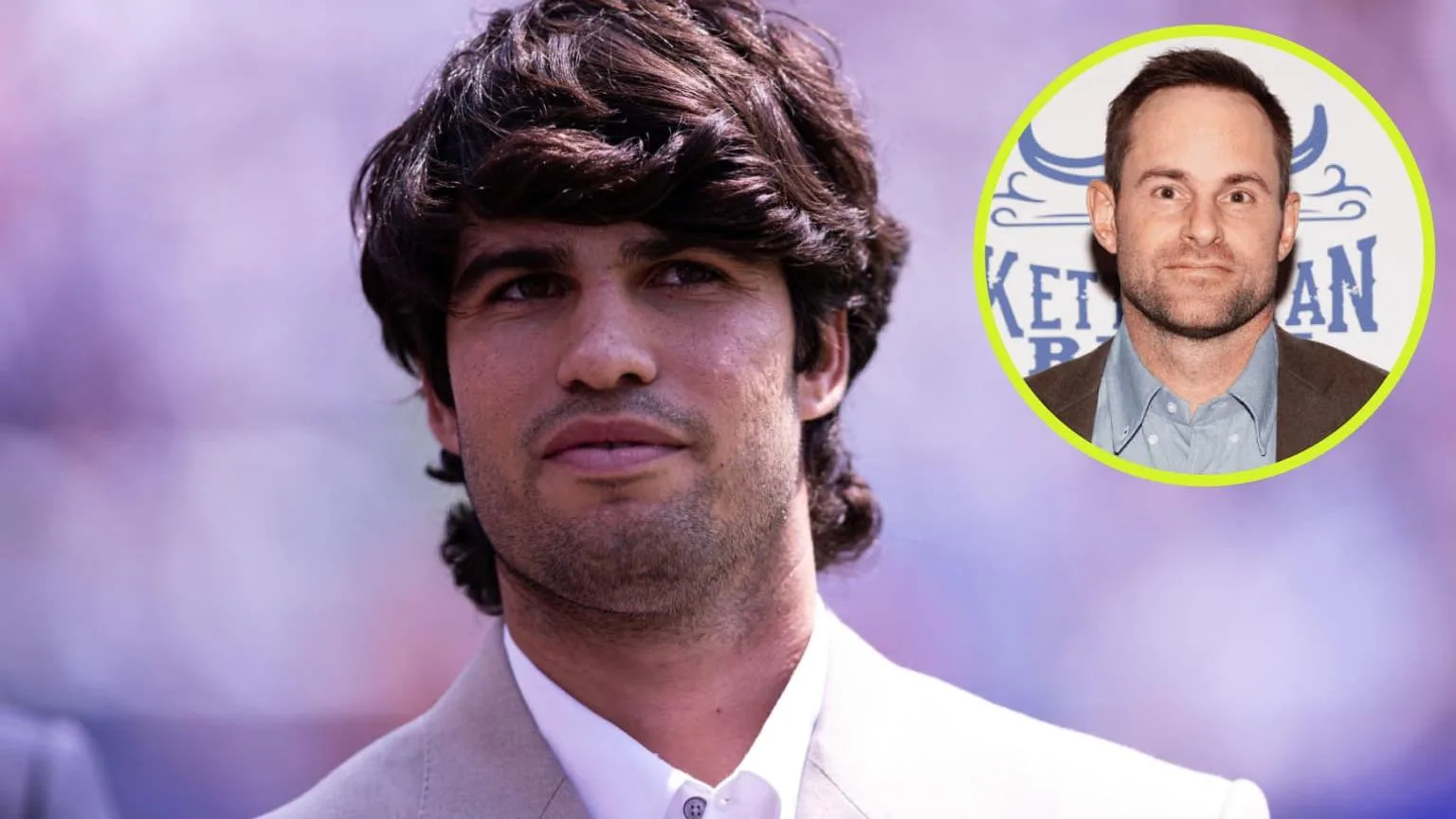
Andy Roddick has offered a possible explanation for the concern that followed Carlos Alcaraz’s appearance at the 2026 World Cup final.
Alcaraz was in New Jersey on Sunday for Spain’s meeting with Argentina, and he played a visible part in the occasion by carrying the trophy onto the pitch before kick-off. He later watched Spain win 1-0 to secure their second World Cup title, before joining the celebrations with the players on the field.
During and after the match, television cameras repeatedly caught the 23-year-old in the stands. What stood out to many tennis fans was the support on his right wrist, which immediately led to fresh questions about his condition.
Alcaraz has not competed for more than three months after the right wrist problem that emerged at the Barcelona Open. The seven-time Grand Slam champion’s absence has kept attention fixed on when he might return, and his latest public outing only intensified that focus.
Speaking on his Served podcast, Roddick addressed the reaction to the wrist wrap and suggested it may not have signaled a setback. “So, I was like, ‘oh gosh, that’s not great’, but also, if I’m him, if you’re in a bunch of people and you’ve had a wrist injury, I would 100% have some marker that’s like, ‘don’t come up and shake my hand’. Maybe that’s all it was,” said the former world No 1.
Roddick added that the priority is simply seeing Alcaraz return when ready. “It’s interesting, ’cause all we want is for him to be back in the mix, and pragmatically I’m going, ‘take your time, long road ahead’, and it seems like he’s done that.
“It doesn’t seem like he’s rushing something or announcing a timeline where you’re going, ‘oof, are you sure?’ Listen, wrap, no wrap, I would have something, even if it was mostly fine.
“Even if it was like, ‘I’m close, I’m hitting balls’, whatever, I’m not going to go to the World Cup and shake 250 hands, and some guy that’s been on one comes and goes… like, I get it.
“So, hopefully that’s all it is. But obviously, we’re gonna have all eyes on the wrist area always, until we see him come out and he’s ripping it. So, I don’t know.”



ATP Tour
Arthur Fery faces the next test after a grass-court breakthrough
Arthur Fery’s grass-court surge raises a key question as hard-court season arrives, before US
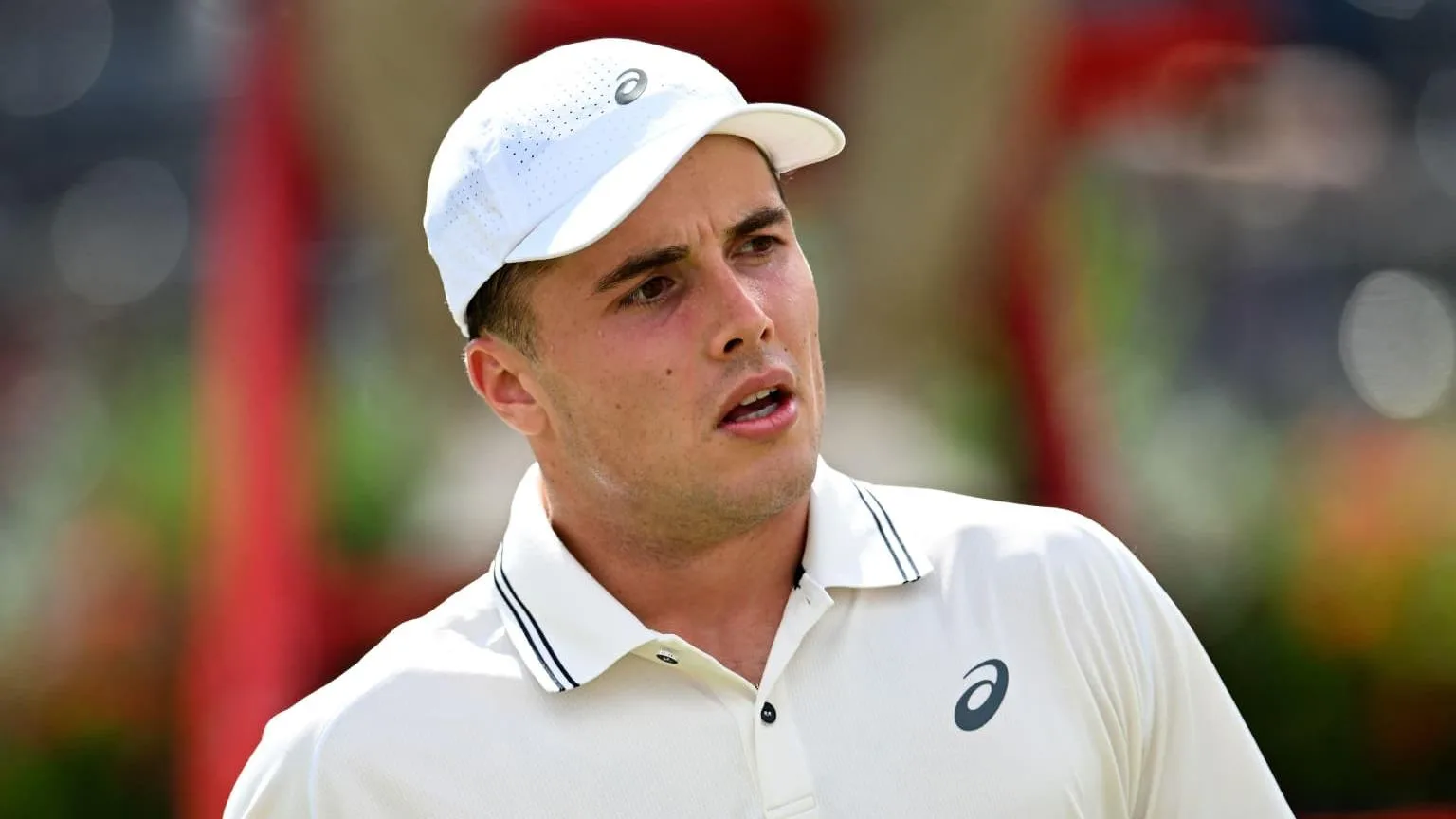
Arthur Fery’s rise this season has prompted a simple question: how much of it can he carry beyond grass? As the North American hard-court swing approaches, the Brit’s ability to reproduce his summer form on other surfaces is under scrutiny.
Fery began the year outside the top 150, ranked 189th, but his results at Queen’s and Wimbledon transformed his standing. A quarter-final run at Queen’s and a place in the Wimbledon semi-finals have pushed him inside the world’s top 40.
The 24-year-old has already shown he can compete away from grass in isolated moments. At this year’s Australian Open, he came through qualifying and beat Flavio Cobolli in straight sets. Still, most of his ranking points in 2026 have come from grass, leaving the hard-court question largely unanswered at the highest level.
His Challenger and ITF Tour titles have all been collected on hard courts, but the challenge now is different. With his ranking elevated and the expectations higher, the coming weeks will help determine whether that success can translate into the stretch that matters most before the US Open.
Tennis content creator Gill Gross believes the 5ft 9in player could find life tougher once he moves away from grass, pointing to a lack of firepower compared with what the surface allows him to mask. On his YouTube channel, he said, “What you will see on grass, as a player whose dominant groundstroke weapon is the backhand, that’s a much easier thing to take to the promised land on grass. Because you get that skid through on the court, it rewards the flatter ball; ultimately it rewards precision and covers up a lack of ball speed and weight of shot.
“If you get on a grittier surface with more friction, that lack of weight on anybody’s two handed backhand, even if you’ve got a big one, it is still not as big as forehands, that lack of weight of shot is punished much more and it’s a lot harder to do productive damage with a backhand when you’re not on grass.
“I think the way he was moving on the surface and his net rushing was incredible, he’s got a bit of an underpowered serve but he was hitting his spots enough. The serve is fine.
“I loved watching him. The real answer is, I look at how comfortable and suitable he was to the grass courts and I am definitely thinking I want to see what he does on hard courts and I am assuming he is going to really struggle on clay. But I expect him to be a player, stay at tour level, and be somebody who continues to be dangerous on grass.”
Fery has delayed his return to the ATP Tour after Wimbledon, with the Brit saying he may skip the Canadian Masters in August. He is expected to play Cincinnati and Winston-Salem before heading to Flushing Meadows.
With few points to defend, Fery has a realistic route to keep climbing if he strings together victories. A strong run could even leave the right-hander in position to break into the top 20 before the end of the year.
ATP Tour Media
Djokovic sees Alcaraz and Sinner as versions of his earlier self
Djokovic says Alcaraz and Sinner remind him of his younger self, as the rivalry continues.
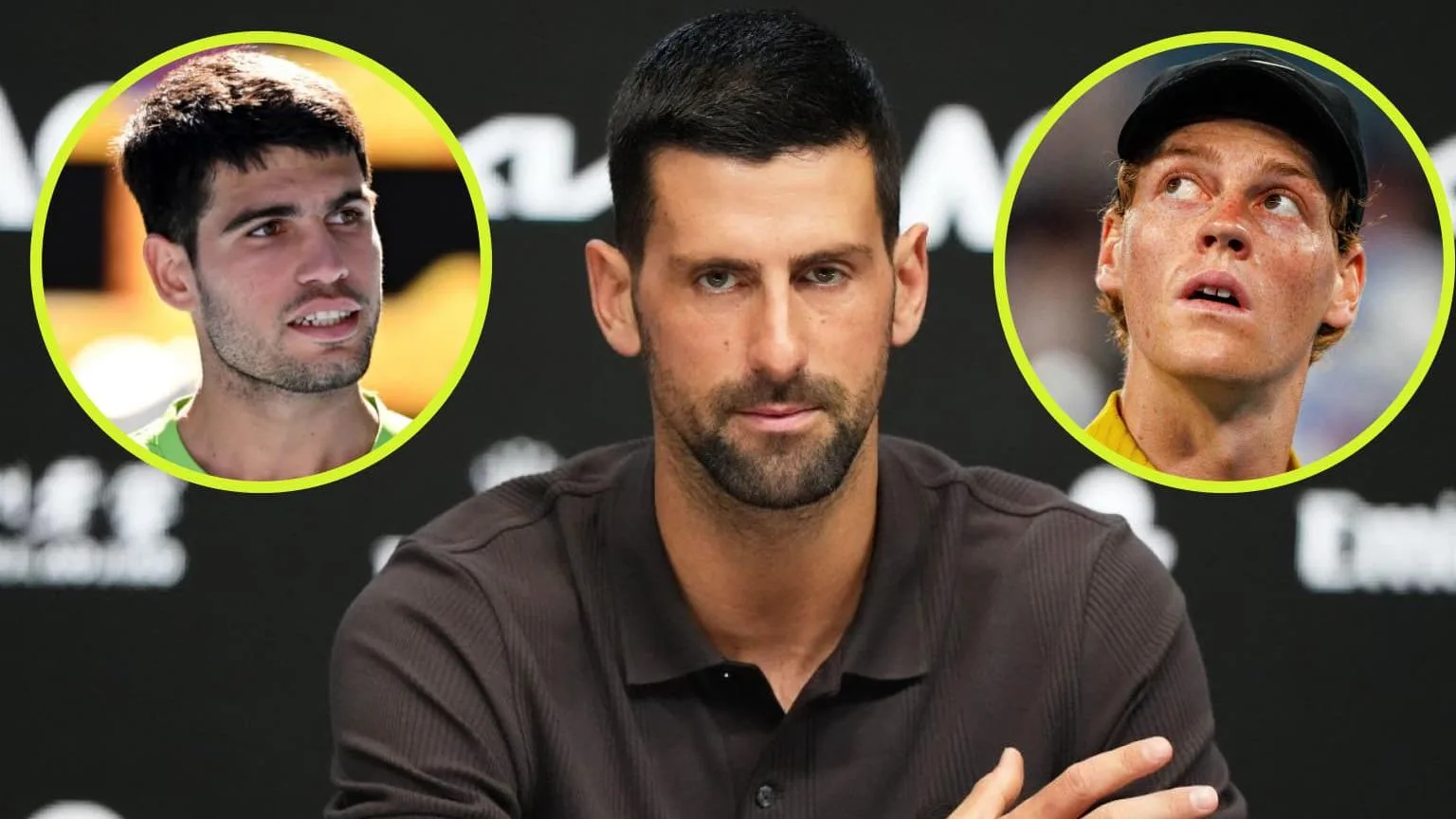
Novak Djokovic has drawn a striking comparison between himself and the game’s leading young rivals, saying that facing Carlos Alcaraz and Jannik Sinner feels like meeting a younger version of his own game.
The Serbian has long stood at the top of the men’s game, eventually surpassing the standards set early in his career by Roger Federer and Rafael Nadal. A changed diet and a revised approach helped him break through their dominance in 2011, and he has since built a record of 24 majors, with Federer and Nadal now retired.
At 39, Djokovic is no longer the same player he was in his peak years, but he remains capable of beating anyone when he is at his best, including Sinner and Alcaraz. Even so, those matchups remain among the toughest challenges in tennis.
His style has evolved over time. Djokovic is now a more aggressive baseliner who aims to finish points more quickly, while his most successful periods were built on a more counterpunching approach. Alcaraz, who has seven Grand Slam titles, produces more winners but also more errors. Sinner, a five-time major champion, is perhaps closer to Djokovic in overall feel, though he plays with greater offence.
Djokovic said, via TNT Sports, “I want to kick their a** every day of the week. But to be honest, when I see them play, there’s contrasting styles with Federer and Nadal, really contrasting styles.
“I showed up as well, different. Three of us, we were all different. And now with Alcaraz and Sinner being the dominant force in tennis, these two guys remind me of myself so much.
“I’m like: ‘I’m playing myself from 10 years ago and 15 years ago’ and it kind of hurts me to feel that on the court. I mean, I know how to crack the code, but can I?”
After his straight-sets Wimbledon semi-final loss to Sinner, Djokovic said he would not be making a final appearance there. He has also indicated a desire to play the 2028 Olympics in Los Angeles, which would see him compete at 41.
The world No 7, whose most recent Slam title came at the 2023 US Open, still has the pursuit of a 25th major as a major incentive. He also pointed to the value of rivalries as a source of motivation.
He added, “So, it’s always finding new ways to motivate yourself, to inspire yourself to be better and the rivalries are good,” he said. “They’re important. So you got to always find someone in the crowd or someone on the court that is going to push you to be better.”
ATP Tour
Draper’s route back takes an unexpected detour before the US Open
Draper’s comeback path shifts again as Washington and Brownsburg await before the US Open.
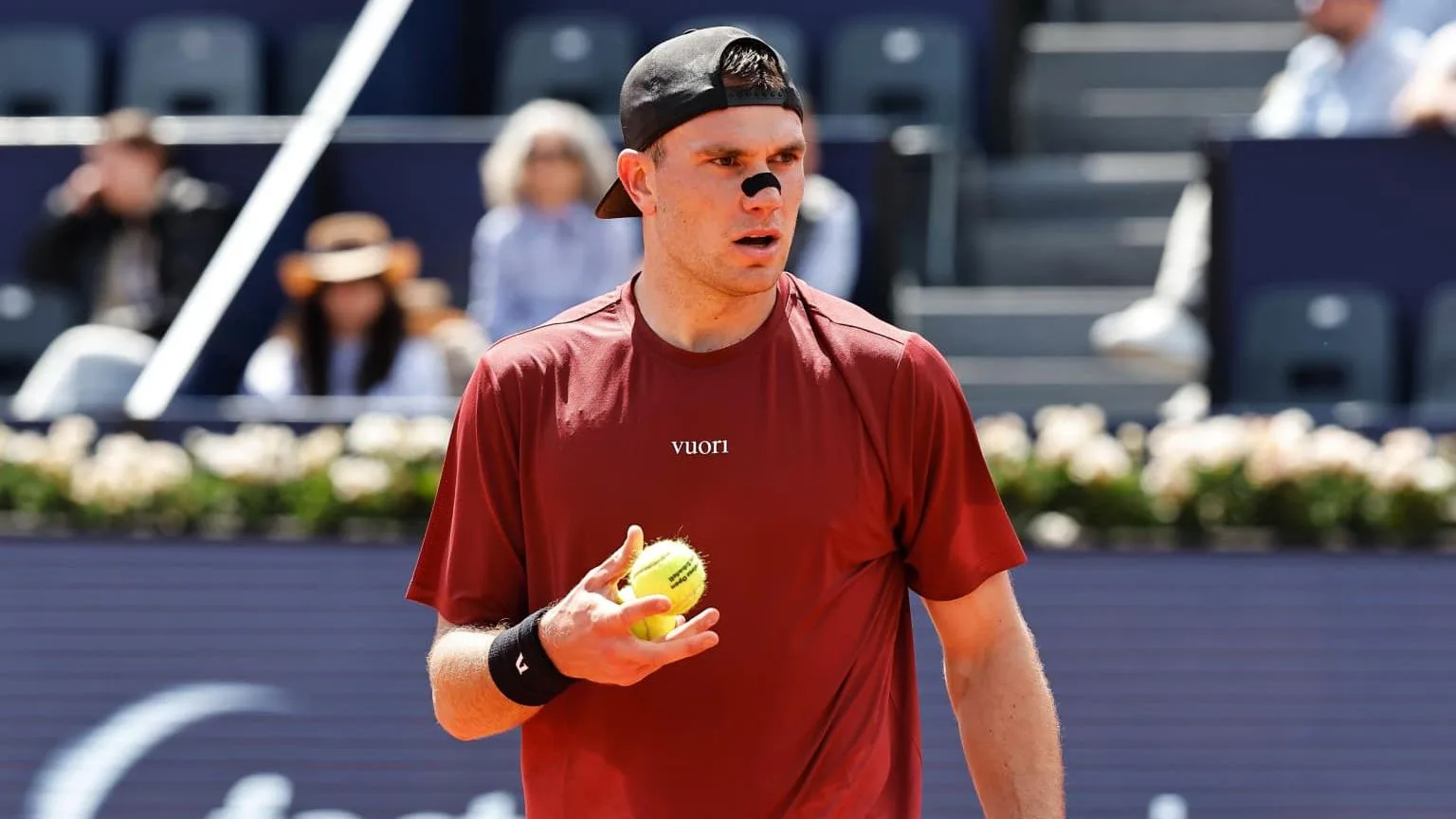
Jack Draper will return to the ATP Tour in Washington next week, but his buildup to the US Open has shifted in a way few would have predicted.
The 24-year-old has managed only 13 matches this season, with arm and knee problems repeatedly forcing him away from competition for long stretches. His year had seemed to be turning when he reached the last four at Eastbourne, only for the arm issue to return and stop him in his tracks before Wimbledon.
After withdrawing from the grass court major, the former world No 4 said, “I’m devastated to share that I have had to withdraw from my first round match due to a recurrence of my arm injury.
“There have been a lot of painful moments in the last 12 months, but this one is definitely the absolute worst.”
Eastbourne was meant to be his comeback event, yet it came after a knee injury suffered in mid-April at the Barcelona Open. That setback caused him to miss the French Open.
Following his Wimbledon withdrawal, Draper received a wildcard into the Washington 500 tournament. Former champion Kei Nishikori and recently crowned Gstaad champion Stefanos Tsitsipas were also handed spots in the draw.
His injuries have sent him down to 147th in the world, and there is no certainty that he will return to the level he once reached. Draper has already missed all three majors this year because of injury.
After Washington, the North American hard court swing continues through Montreal, Cincinnati and Winston-Salem in August before the US Open.
While many would expect him to enter one or more of those events, the current plan points in another direction. Draper is on the entry list for the Brownsburg ATP 75 Challenger, which begins on 10 August.
He is scheduled to join former top 20 player Cristian Garin and American youngster Nishesh Basavareddy in the 32-man field. The event offers $107,000 in prize money, underlining how important match play is for Draper as he works back toward full fitness. The remaining question is whether his body can now hold up.

Arthur Fery faces the next test after a grass-court breakthrough

Roddick suggests Alcaraz wrist concern may have been a precaution

Alcaraz slides to No. 3 as US Open seedings begin to take shape

Alcaraz Confronts On‑court Microphones During US Open Practice Ahead of Opelka Match

Raducanu Arrives at US Open With Momentum After Strong Hard‑Court Swing

Cervara: Ending an eight‑year partnership with Medvedev was necessary to change the energy
-
 ATPFrench OpenGrand Slam2 months ago
Moise Kouame Breaks Through at Roland Garros, Channels Djokovic in Win Over Marin Cilic
-
 ATPFrench OpenGrand Slam2 months ago
Casper Ruud endures heat and cramps to prevail in five sets at Roland Garros
-
 French OpenGrand Slam2 months ago
Baptiste’s late resistance powers another Roland Garros comeback