ATP Tour News
Sinner’s Milan check-up draws attention, but reports say there is no concern
Sinner’s Milan check-up has prompted concern, but Italian reports say the visit is routine.

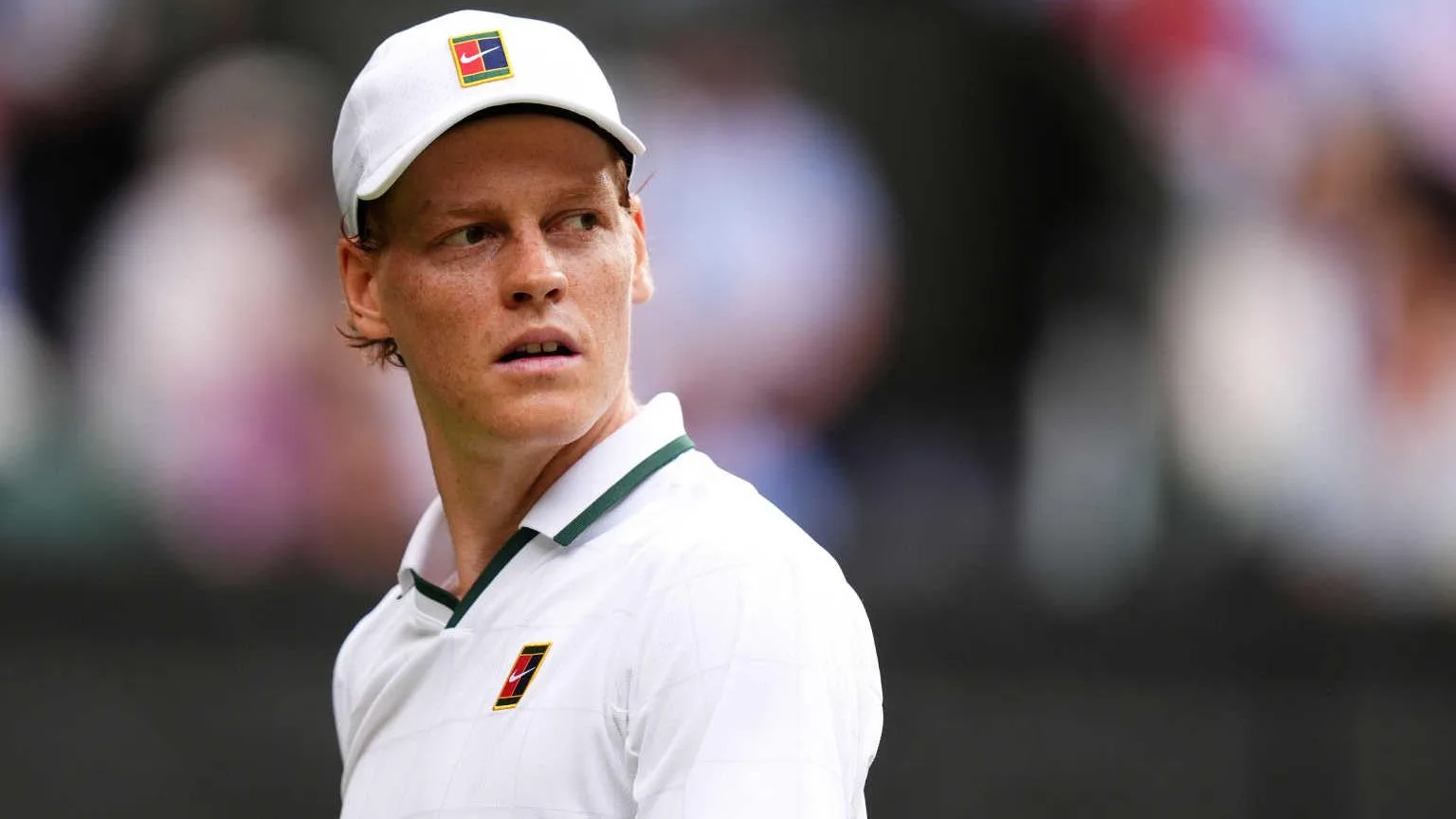
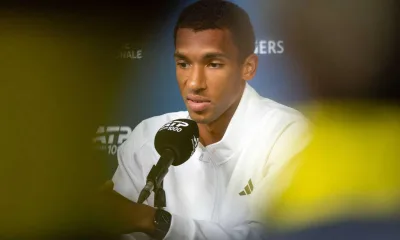
Jannik Sinner has completed another round of medical testing after spending several hours at a facility in Milan, though Italian reports say there is no cause for alarm.
The five-time Grand Slam winner was at the Physioclinic for most of Tuesday morning, arriving at 08:00am and not leaving until after 12:00pm. Four members of his team were with him, which naturally prompted questions about his condition as the North American hard-court swing approaches.
Those concerns were sharpened by what happened earlier in the season. Sinner suffered a worrying collapse during his second-round match at the French Open in May, and after losing to Juan Manual Cerundolo he said he had been feeling unwell on the morning of the match and also struggled with the heat.
He later went through a fresh set of tests before Wimbledon, but those results cleared him to compete, and he defended his title at the All England Club in July.
Italian newspaper Gazzetta dello Sport offered a reassuring explanation for the latest visit, writing: “This scheduled check-up forms part of the routine management of a champion’s physical condition as he prepares to face a very intense second half of the season, but it inevitably attracts attention given the time of year and the upcoming events on American hard courts.”
Sinner also stopped by J Medical in Turin last week, where he was seen with a plaster on his knee. That, however, was described as a precaution, and he trained without discomfort a few days later.
The world No 1 is set for a delayed start to the North American hard-court swing after choosing to miss this week’s Canadian Open. His schedule now includes only two events, the Cincinnati Open and the US Open.
He is due to travel to the United States on Sunday, 9 August. The Cincinnati Open begins on 13 August, and Sinner will be the top seed at the ATP Masters 1000 event after Alexander Zverev was moved into the second seeding following Carlos Alcaraz’s withdrawal.




ATP Tour ATP Tour News
Jodar makes winning Davis Cup debut as Spain take control in Chile
Jodar opens his Davis Cup career with a dominant win and Spain edge closer to the Finals.
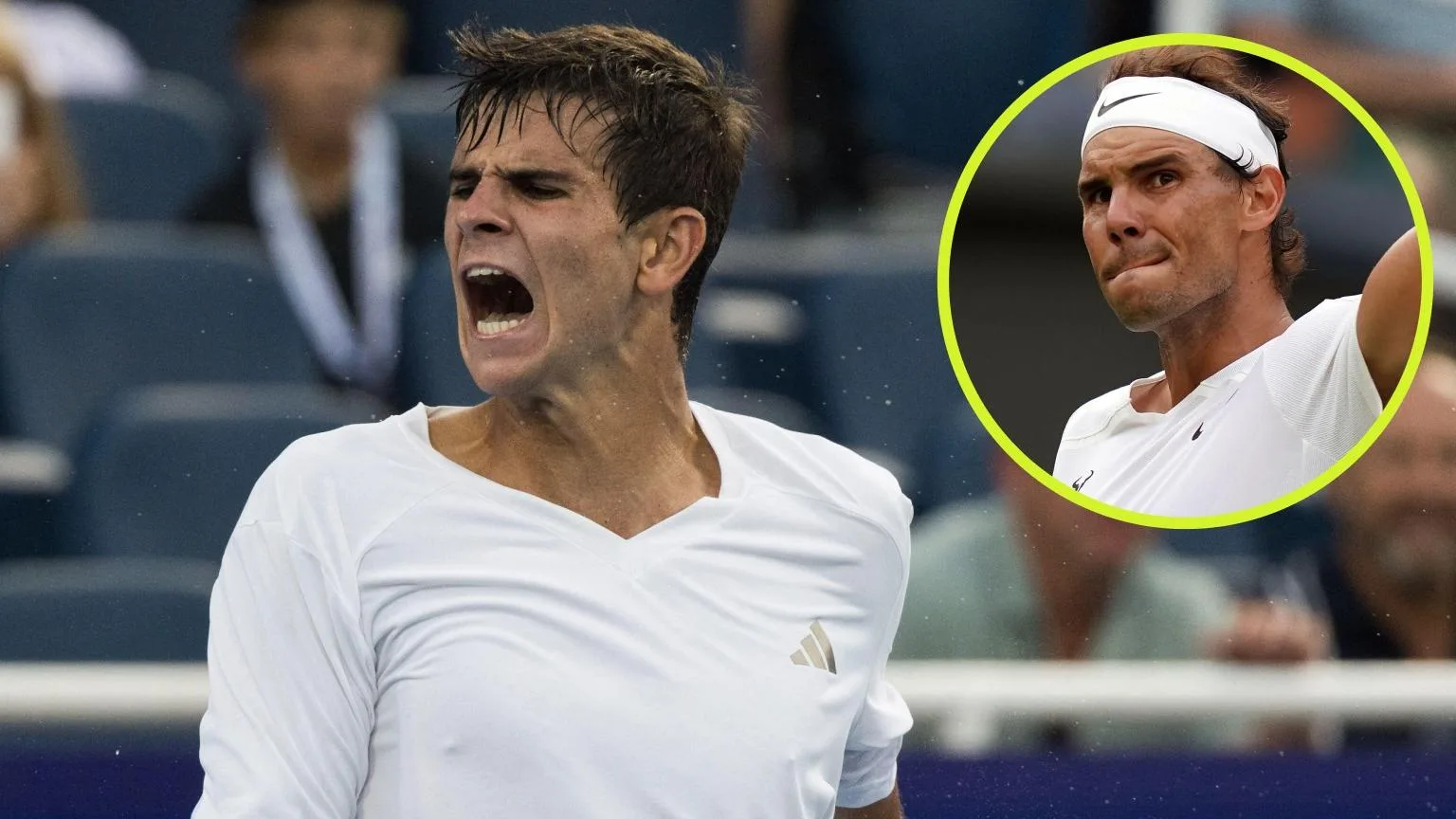
Rafael Jodar announced himself on Davis Cup duty for Spain with a commanding first appearance, easing past Cristian Garin 6-0, 6-2 to help put his side 2-0 up away to Chile. Earlier, Daniel Merida had already given Spain the opening point by defeating Alejandro Tabilo, leaving the visitors in a strong position.
At 20, Jodar arrived as Spain’s highest-ranked player in the tie, with Carlos Alcaraz absent, and that placed added responsibility on the young player. Even so, he handled the occasion with notable authority and delivered a result that stands out in Spanish Davis Cup history.
His start has actually bettered the one made by Rafael Nadal. Nadal made his Davis Cup debut in 2004 as a 17-year-old, but it did not begin with a win, as he lost to Jiri Novak of the Czech Republic. Jodar has therefore opened his Davis Cup account with a cleaner beginning than Nadal managed, even if matching the scale of Nadal’s team record would be an enormous task.
After that early defeat, Nadal went on to stay unbeaten in Davis Cup singles for Spain for two decades, until his final match against Botic van de Zandschulp in 2024. That straight-sets loss brought only his second defeat in Davis Cup singles and also marked the end of his career.
Nadal closed with a 29-2 singles record in the competition and also finished with winning doubles numbers, taking eight victories and suffering four losses. Those contributions helped Spain secure four Davis Cup titles between 2004 and 2019.
For Jodar, the focus now turns to his next rubber against Tabilo in Chile. Spain already hold a 2-0 advantage, and another victory would seal their place in the Davis Cup Finals.
With Carlos Alcaraz potentially back for the Davis Cup Finals, Spain could still be among the leading contenders for the title this year. The Finals are scheduled for 24 to 29 November in Bologna, Italy, where Italy will defend the crown after winning in 2024 and 2025. Spain’s last title came in 2019, when Nadal was part of the team.
ATP Tour ATP Tour News
Shelton backs Davis Cup call after US Open final run, skips Laver Cup and eyes Japan Open
Shelton chose Davis Cup after the US Open, then turned his focus to the Japan Open.
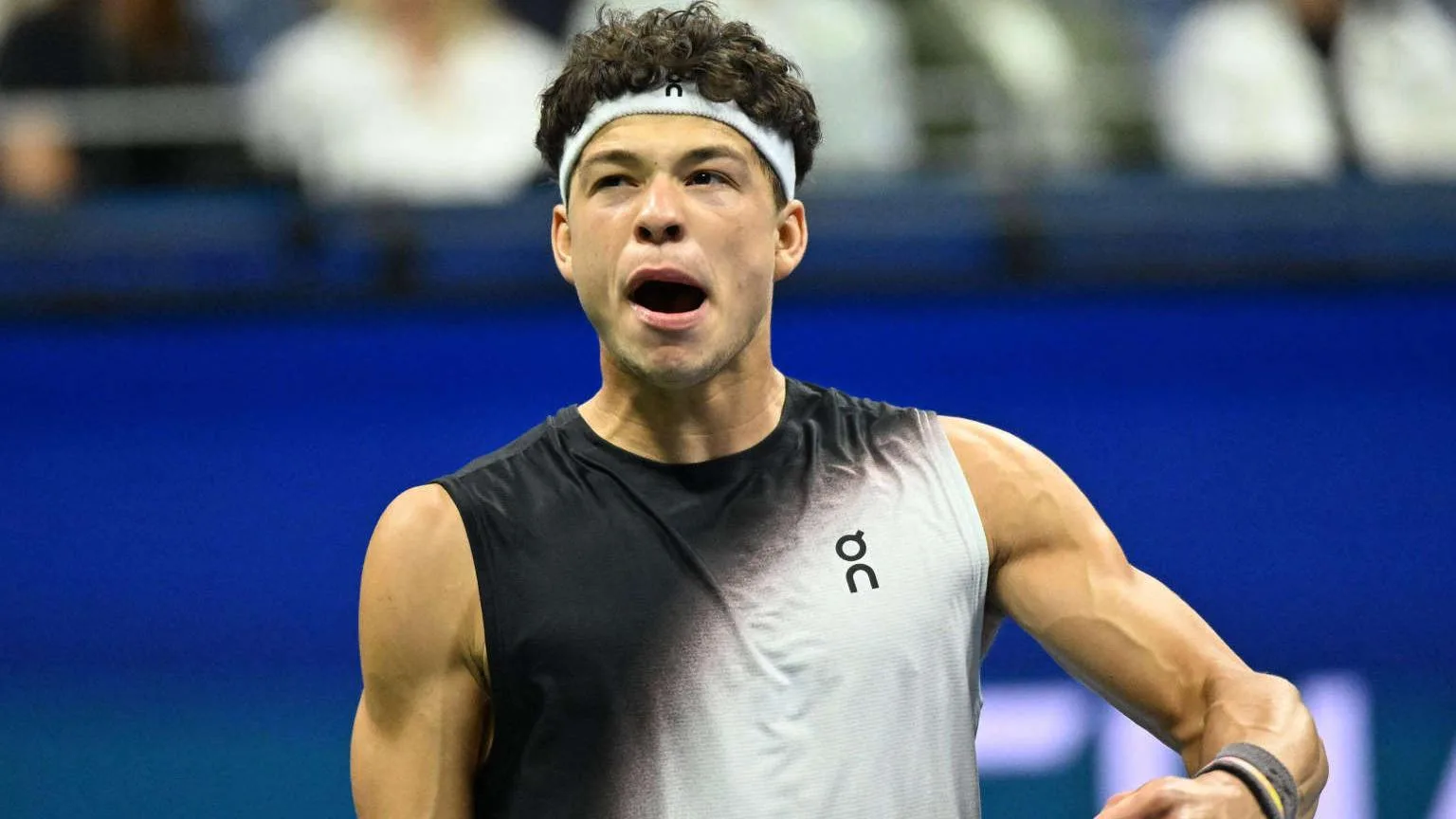
Ben Shelton drew attention by going straight from a US Open final appearance into Davis Cup duty. After losing in four sets to Alexander Zverev in New York, the American travelled to the Czech Republic to join the United States for its tie in Prague.
His first match there did not go his way. Shelton fell 6-4, 6-4 to Jiri Lehecka at the Prague Arena, leaving the contest level at one win each after Learner Tien defeated Jakub Mensik.
Asked in his post-match press conference why he chose to play Davis Cup so soon after his first Grand Slam final, Shelton made clear that the decision was never in doubt. “I’m just happy to be representing the USA here. I think it’s an honour to be able to play,” said the American about playing the Davis Cup.
He also explained the personal context behind the choice. “I missed the tie we played against Czech last year post- US Open because I was injured. I wasn’t going to miss this one no matter what happened at the US Open. No, I’m not feeling tired, and super excited for Day 2 to try and put this match away tomorrow.”
Shelton will not, however, follow that commitment into the Laver Cup the next week, even though he had previously signed up for the team event. He was due to be part of Andre Agassi’s Team World at The O2 Arena in London, but a crowded schedule has forced him out. Brandon Nakashima will take his place alongside Taylor Fritz, Alex de Minaur, and Alexander Bublik.
His next expected stop is the Japan Open, which begins on September 30th. Shelton will enter as the second seed behind Carlos Alcaraz and arrives as a former champion, having won the tournament in 2023. He did not play it last season, so he carries no ranking points to defend.
That gives Shelton room to keep pressing Alcaraz in the ATP Tour rankings. The gap between them is 880 points after the US Open, leaving Shelton with a real opportunity to close in during the final stretch of the season.
ATP Tour ATP Tour News
Djokovic’s next chapter points back to Beijing
Djokovic is nearing forty, yet his China Open return and Dimitrov’s comments keep him in focus.
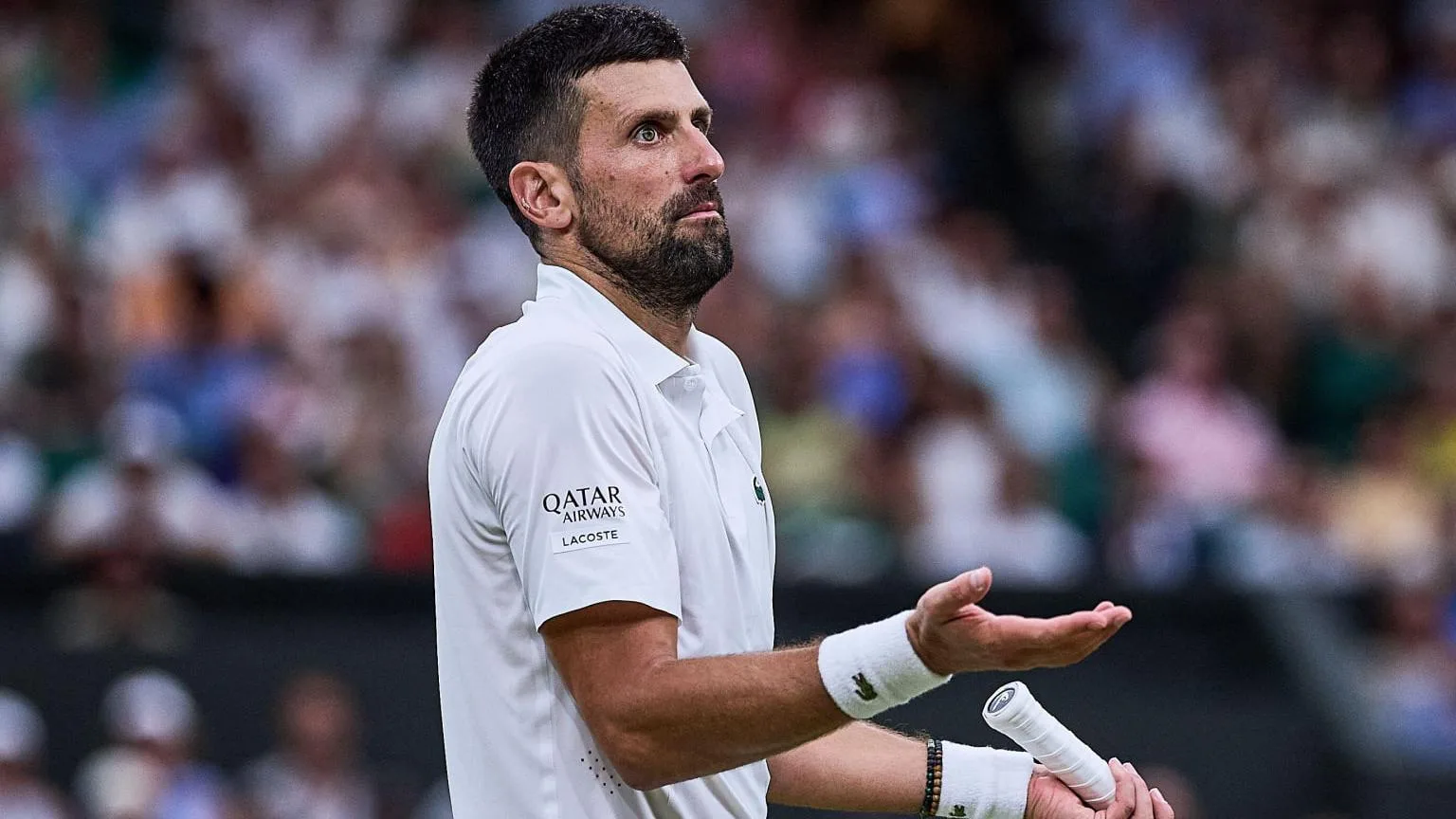
Novak Djokovic is still competing with a new wave on the ATP Tour, a testament to the longevity of the 24-time Grand Slam champion. For two decades, he sat at the summit of the sport alongside Roger Federer and Rafael Nadal, but since their retirements, his results have been more uneven.
The Serbian has found life tougher against Jannik Sinner, Carlos Alcaraz and Alexander Zverev, and he has not lifted a Grand Slam trophy since the 2023 US Open. Even so, Djokovic remains a major presence on the ATP Tour, and Grigor Dimitrov has suggested that the former world No. 1 has clear opinions about where the men’s game stands now.
Speaking to SpilXperten while representing Bulgaria at the Davis Cup, Dimitrov said: “I’ll be honest with you now. The past years I have kind of distanced myself from the ATP Tour.
“Of course, I am on the Tour, but I have distanced myself from keeping up with certain trends or whatever.” My life has always just been about tennis. In a way, age is just a number, but in our sport the gap increases a lot. You can definitely see that, and it`s not only on the court things have changed. It is also just about interactions. I don`t even know everyone on the Tour now. We can laugh about it, but it’s a bit sad.”
Dimitrov also said Djokovic shares his view of the current landscape.
“I feel the same as Novak,” explained the Bulgarian. “A part of me left with Roger and Rafa. Absolutely. We actually had that talk with Novak, where we talked about the challenges and the obstacles back in the day, you know that era of tennis…
“Without disrespecting any players, that era will always be the most challenging that I have ever had to face. I was not only the chaser, but I was trying to conquer the most massive players all the time. Unfortunately, it is very difficult to fulfill the older you get. It sucks.”
Djokovic is close to forty, but retirement does not appear imminent. He is due back at the China Open at the end of September, his first appearance at the ATP 500 event since 2015. The tournament has been one of his strongest, with six titles and no defeats there.

Eala’s return begins in Singapore as rise gathers pace

Mpetshi Perricard Under Pressure After Promising Rise Fades

Six Kings Slam faces uncertainty as regional tensions cloud Riyadh event

Alcaraz Confronts On‑court Microphones During US Open Practice Ahead of Opelka Match

Raducanu Arrives at US Open With Momentum After Strong Hard‑Court Swing