125
Roddick pushes back on US Open ticket price criticism
Roddick says US Open ticket outrage misses the real issue: resale prices and secondary market dynamics.

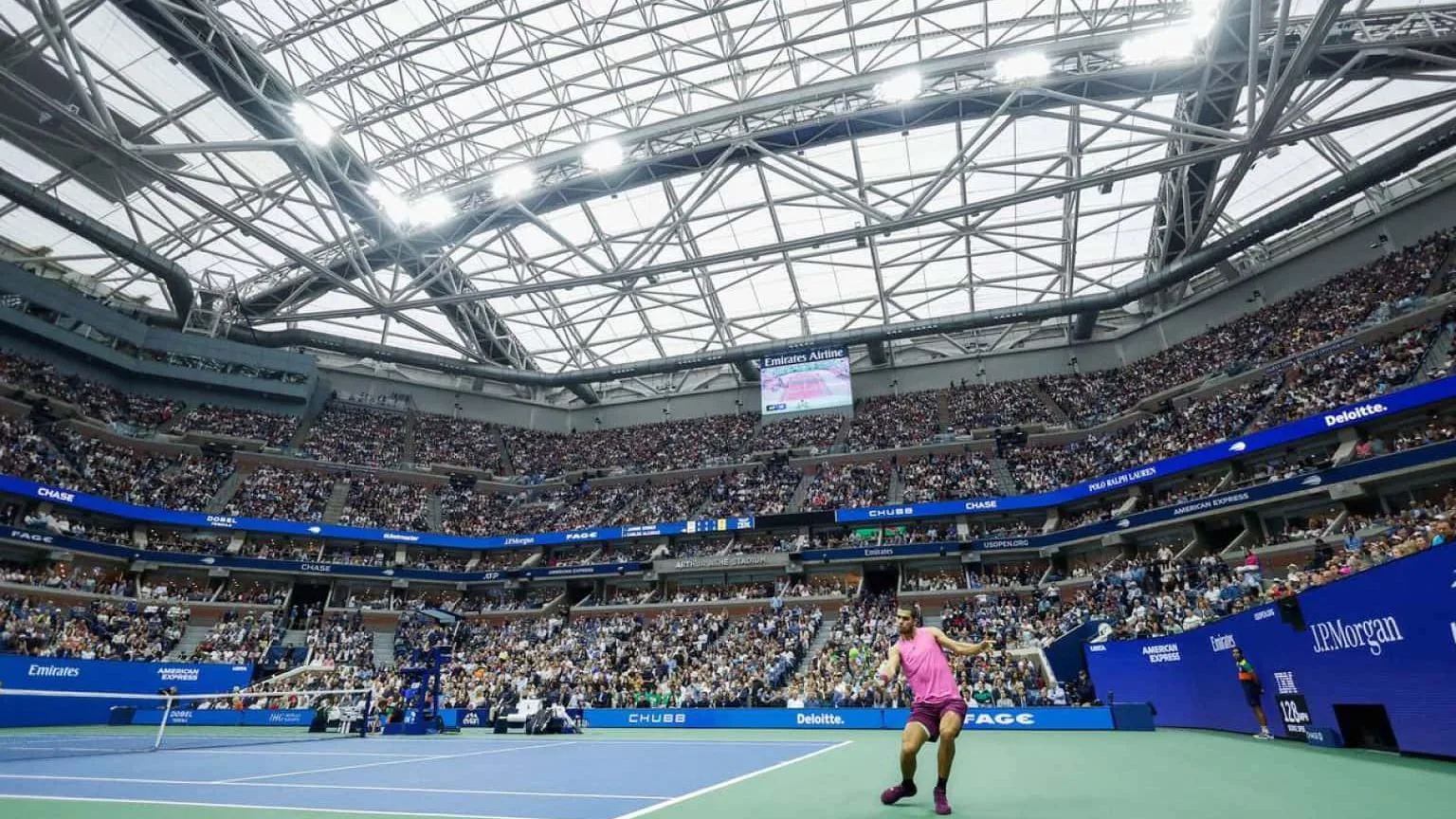
Former champion Andy Roddick says the reaction to this year’s US Open ticket prices has been misdirected, arguing that the loudest criticism is missing how the market works.
Attention around the men’s final at Arthur Ashe Stadium intensified after the top ticket price passed $20,000. The resale market has since driven that figure even higher, with listings reaching $34,944.18. That eye-catching number has prompted fresh debate about affordability, but Roddick insisted the USTA is not the party benefiting from those prices.
“Smart people are getting on an opinion that benefits themselves, right?” said Roddick on his podcast.
“They do this without mentioning secondary marketing and how the pricing actually works once it’s out of the USTA’s hands—which you have to go through.
“So listen, just have a nuanced argument. Is it overpriced? Is it too expensive? Hell yes, completely agree on that. Absolutely, we’re not arguing that it’s not. This sucks.
“But to say the USTA are charging these prices is categorically false. The issue here is the ticket resale market.”
Former British No 1 Greg Rusedski also addressed the surge, describing resale prices as “crazy” and questioning how many fans could realistically absorb the cost of attending with another ticket added on top.
“You gotta buy two tickets and bring a date for you, so it will be an expensive night if you are buying on the resale market,” said Rusedski on his podcast.
“It’s crazy what some people will pay for tickets, but I guess it’s supply and demand. And you know, you are in New York City, which is one of the most expensive cities on the planet at the moment, especially with inflation.
“So there are some wealthy individuals who can manage to do those things, but I’m quite shocked by those prices. I’m glad I don’t have to pay for tickets when I go to the US Open.
“There’s got to be some balance for the fans and prices of tickets. If you’re charging that much money for people, and you know, people’s wages haven’t gone up at that rate. So they still have to make it affordable so you can have your regular fan get in there and not put themselves in debt or put themselves in these situations. And that’s where you gotta find the balance.
The USTA is not collecting those inflated resale sums, with secondary sellers and companies like Ticketmaster benefiting instead from tickets initially bought at face value.

1000 125
Jovic defends Guadalajara crown as Raducanu slips further in rankings
Jovic defends Guadalajara, Raducanu slips, and the WTA rankings see major movement.
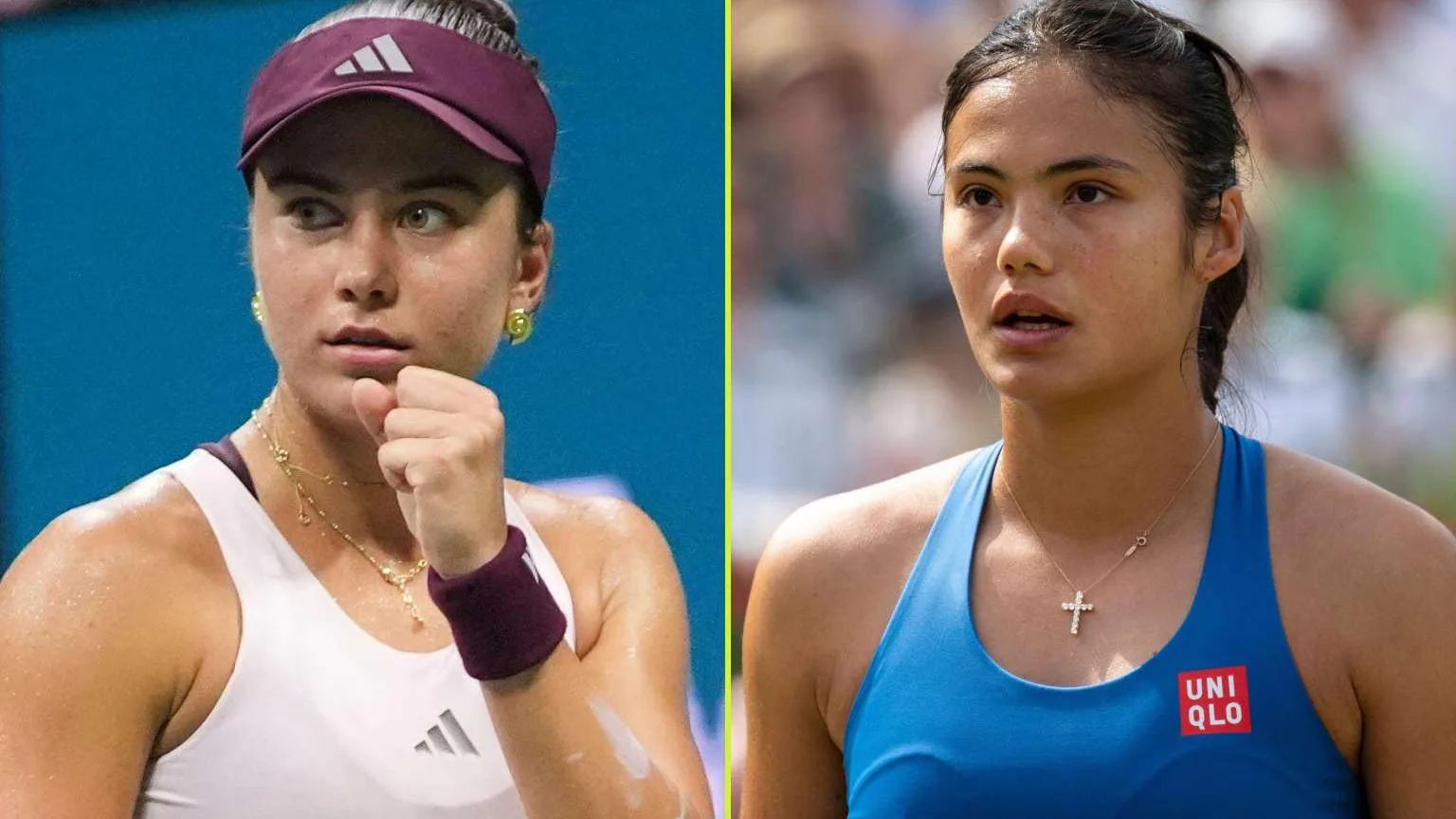
Iva Jovic made one of the clearest moves of the week on the WTA Tour, successfully retaining her Guadalajara Open title in Mexico while Emma Raducanu continued to fall in the rankings.
After the demanding US Open, most of the leading names stepped away from competition. Marta Kostyuk was the lone top-10 player in action, and the world No 10 reached the quarter-finals in Guadalajara before exiting. That result left her ranking unchanged. Elena Rybakina, meanwhile, begins a second week at No 1 on Monday after moving past Aryna Sabalenka following her US Open title run. Jessica Pegula, Coco Gauff and Mirra Andreeva round out the top five.
The biggest shift inside the top 20 belongs to Jovic. The 18-year-old collected 451 points for her title run in Mexico and climbed three places to a career-best No 13. She is now within touching distance of Belinda Bencic in 12th, and her progress suggests the top 10 is close.
Jovic’s advance pushes Diana Shnaider, Victoria Mboko and Sorana Cirstea down one spot each, while Naomi Osaka, Alex Eala, Elise Mertens and Jasmine Paolini hold steady in the top 20.
Further back, the largest gains came from Guadalajara. Runner-up Peyton Stearns rose 24 places to No 36, which also puts her eight positions above her previous career high of No 28. Cristina Bucsa climbed nine spots to No 35 after reaching the semi-finals, while Ludmilla Samsonova moved up 12 places to No 38. Magdalena Fręch, another quarter-finalist, is up 12 to No 45, and Sloane Stephens jumped 34 places to No 135 after also making the last eight.
The SP Open final was pushed to Monday, with Kaitlin Quevedo and Nadia Podoroska set to meet for a maiden title. Quevedo is already up 14 spots to No 91, while Podoroska has surged 117 places to No 200.
Elsewhere, Paula Badosa is up 13 to No 56 after reaching the semi-finals in Brazil, and Anna Blinkova is up eight to No 86. Among the main fallers are Katerina Siniakova, Lilli Tagger, Emma Raducanu and Maya Joint.
WTA Top 20 remains led by Elena Rybakina, followed by Aryna Sabalenka, Jessica Pegula, Coco Gauff and Mirra Andreeva.
125 500
Singapore Open loses more names as withdrawals mount before WTA 500 start
Singapore Open withdrawals pile up before the WTA 500 begins, with Tjen the latest to exit.
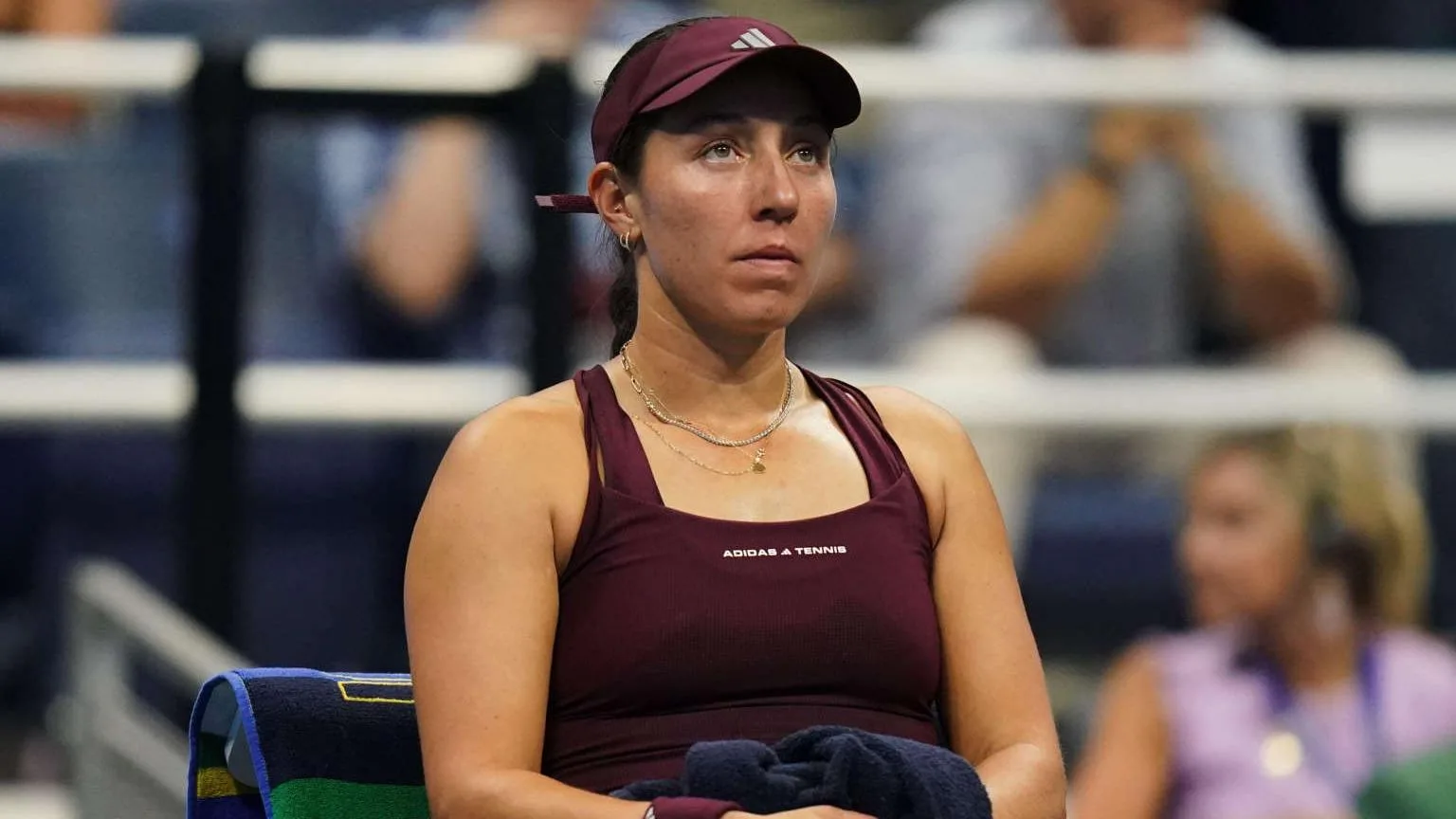
The Singapore Open is due to open the WTA Tour’s Asian swing, but the field has thinned considerably before the first ball is struck.
The WTA 500 event starts on September 21st, with Mirra Andreeva, Alex Eala and Amanda Anisimova among those still scheduled to compete. The draw has already been completed, and it had pointed toward a possible final between Andreeva and Eala. Even so, the list of withdrawals has kept growing.
Janice Tjen became the latest player to step out of the tournament, pulling out just one day before it was set to begin. She said a right wrist injury was behind the decision.
Tjen is the 10th player to withdraw from the event and joins a group that includes Jessica Pegula, Diana Shnaider and Sorana Cirstea. Pegula, who would have been the top seed, announced her withdrawal on social media.
“I’m really disappointed to have to withdraw from Singapore,” Pegula said via an Instagram Story on the 15th September, less than a week before the tournament was set to begin.
“After a long and physically demanding few weeks at the US Open, I’m just not quite ready to get back on court and compete at the level I expect from myself,” said the US Open 2026 semi finalist. “I was really looking forward to playing in Singapore and hope I can come back in the future.”
The withdrawal list also includes Diana Shnaider, Sorana Cîrstea, Anastasia Potapova, Ekaterina Alexandrova, Sára Bejlek, Ann Li, Clara Tauson and Mayar Sherif. Each has been replaced in the draw, with some spots going to named alternates and others to a qualifier or lucky loser.
The Singapore Open will serve as a lead-in to the China Open, the penultimate Masters tournament on the WTA Tour calendar. The event runs from September 21st to September 27th, ending three days before the China Open begins.
Elise Mertens will return as the defending champion after winning the title in 2025, and she enters the WTA 500 event as the fourth seed.
125
Tiafoe’s US Open run reignites the best-of-five debate
Tiafoe’s US Open run sparked fresh debate over best-of-five sets at Grand Slams.
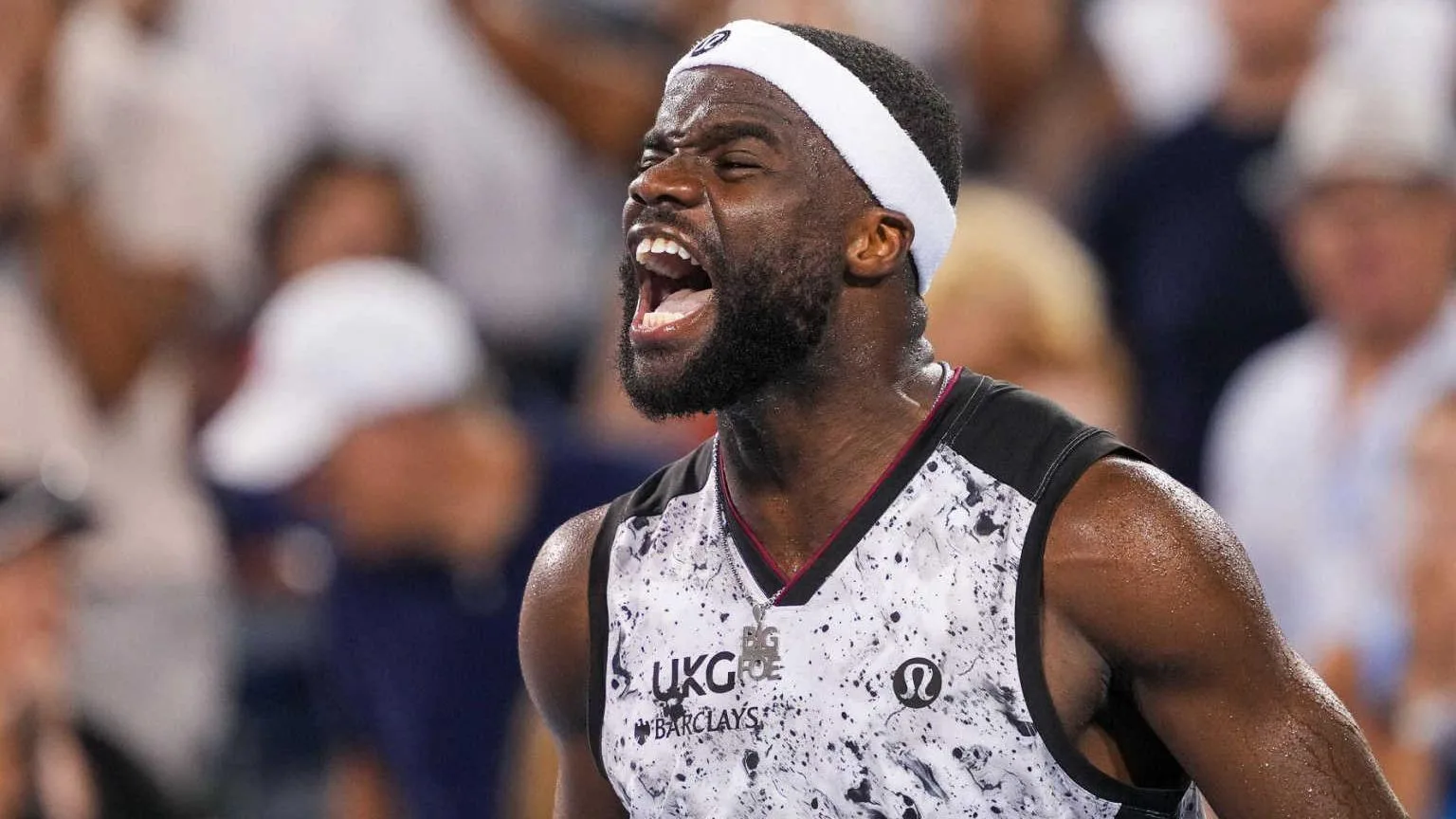
Frances Tiafoe delivered another memorable US Open campaign in 2026, reaching the semifinals at his home Grand Slam before falling to Ben Shelton.
The American has often produced some of his sharpest tennis in New York, and this year followed that familiar pattern. He worked through wins over Alex Michelsen, Daniil Medvedev and Valentin Vacherot to move into the last four, a result that lifted him to a career-high world No 8.
Yet the strong run also brought renewed attention to Tiafoe’s view on Grand Slam scoring. After his five-set victory over Michelsen, he made clear that he believes men should continue to play best-of-five at the majors.
“I think the men’s need to stick to three out of five. I don’t know where that conversation is going,” said Tiafoe in his post-match press conference.
He expanded on that point by referencing the tradition that has shaped the sport’s biggest events. “Everyone has their opinion but we have seen so many epics in five setters,” he added. Do I love five setters? Absolutely not. When I’m up two sets to love I would love to shake hands and go home.
“But it’s tennis, man. I grew up watching incredible tennis, incredible five setters. Novak vs Rafa, Federer vs Rafa. Incredible five setters which go on for hours and hours. That is the history of the game. I feel like your slam doesn’t mean as much personally if you get it done in two out of three format.”
John Lloyd was unimpressed by that stance and responded forcefully, calling the remarks “nonsense”. On the Inside-In Tennis Podcast, he argued that shortening Grand Slams would not weaken them and suggested the quality would improve, especially in the first week.
The issue has become even more visible in New York, where matches have stretched late into the night. Several evening sessions finished after midnight, and Ben Shelton’s match with Carlos Alcaraz did not end until after 3:30am.
Even so, there is no sign that Grand Slams are moving away from best-of-five for men’s tennis anytime soon, despite the growing debate.

Zverev Arrives at Laver Cup With Europe’s Title Bid in Focus

Alex Eala opens Singapore challenge against Prozorova as ranking gains loom

Zverev’s breakthrough season rewrites a long-running story

Raducanu Arrives at US Open With Momentum After Strong Hard‑Court Swing

Maestrelli Triumphs in Bergamo, Claims Challenger Title and Career‑High Ranking