Rusedski says tennis must address US Open late-night finishes after Zverev marathon
Rusedski urged tennis chiefs to address US Open late-night finishes after Zverev’s 2:15am win.

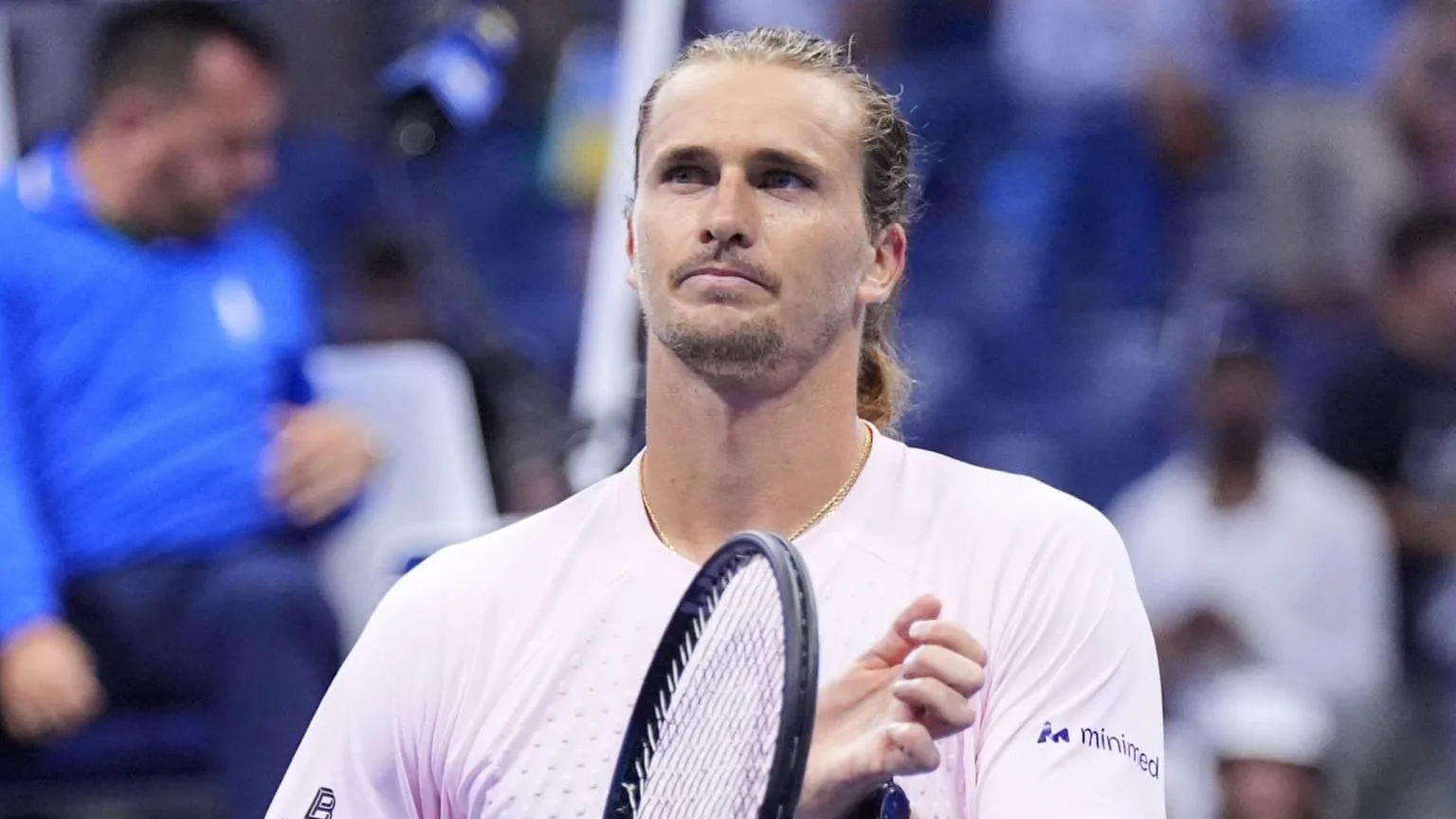
Former world No. 4 Greg Rusedski has called on tennis officials to solve a scheduling issue he says no other sport faces, following Alexander Zverev’s latest late-ending US Open match.
Zverev needed four hours and 33 minutes to get past Quentin Halys 6-4, 4-6, 7-6(3), 6-7(3), 6-3 in the second round at Arthur Ashe Stadium. The match ended at 2:15am on Friday morning. It came after the top seed had already survived another exhausting five-setter in the opening round against Lorenzo Sonego, a contest that finished at 1:55am.
The debate around the schedule has intensified during this year’s event. Sofia Kenin’s first-round victory over Venus Williams began at 12:13am, which set a record for the latest start in US Open history, and did not conclude until just before 2am.
Rusedski, speaking on his Off Court With Greg Rusedski podcast after Zverev’s second-round win, said the issue needs attention.
“Well, I think you need to find some sort of solution,” said the 1997 US Open finalist.
He pointed to the basic problem created by night sessions that include both men’s and women’s matches.
“The conundrum you have is, do you have one match from eight o’clock, or one match from seven o’clock?
“When you have a men’s and a women’s match, whichever starts first, somebody’s going past midnight usually — if you get a three set match in the women’s, or if you get a five set match in the men’s.
“And I think it’s brutal because there’s no time limit and that’s where we need to find the balance.
“But then, what do the tournament do? If you get an injury in the opening match, how do you sell your ticket? So it’s either you say, okay, we’re going to put on one three out of five set match men’s, followed by doubles, or two ladies for the evening sessions.
“And that’s how we get away from those late finishes. And we say the start is at 7:30pm, so even if it goes five hours, you’re finishing, at the latest, at 12:30.
“But also, you got to remember this is a global sport. So, for some people 2am in the morning is their local time in their country for like the evening sessions.
“So, it’s really tricky for the tournaments, but I think there has to be a solution, because we shouldn’t have athletes playing that late in the evening. There’s no other sport in the world that does it.”
Rusedski’s comments followed criticism from Martina Navratilova, who had already spoken out about the night session schedule after the Kenin-Williams match.

1000
Navratilova backs Alcaraz on the strain of the tennis calendar
Navratilova backed Alcaraz’s concerns, saying 12-day Masters events are “horrible for the top players”.
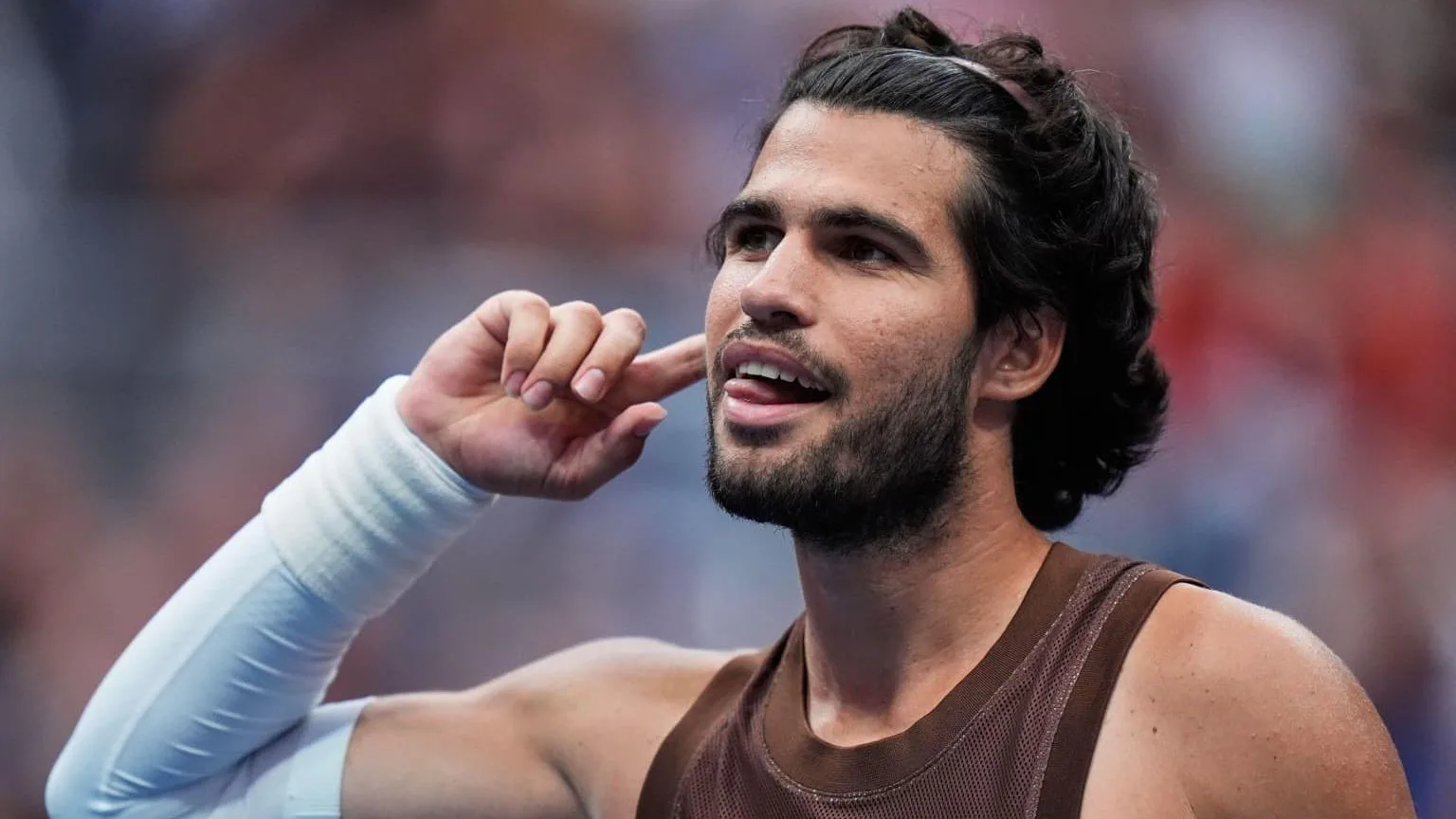
Martina Navratilova has weighed in on Carlos Alcaraz’s frustration with the modern schedule, saying one part of the calendar is especially difficult on the leading players. Her comments came after Alcaraz, back in action at the 2026 US Open following more than four months away with a wrist injury, said the demands of the tour may force him to step away for longer periods in the future.
After his second-round victory in New York, the seven-time Grand Slam champion was blunt about the challenge of playing through the full season. “Returning took me more time than I wanted, to be honest,” he said.
He added: “Obviously I didn’t want to have this break because of an injury, but in the future, I’m going to take some breaks, some long breaks.
“Maybe not four months, but one month, two months, missing some tournaments, because it’s impossible to play them all.
“I think they are adding more important tournaments. In a way, they are forcing us to choose. You can skip one or two, you can decide your calendar, but there are some Masters 1000s, Grand Slams [that you can’t skip], and we are going to play for 40 weeks if we are going to play every mandatory tournament that the ATP requires us to play.
“It’s impossible, and we are seeing a lot of players getting injured, a lot of players are getting tired, and if they don’t do anything about it, we are going to see it even more [injuries] in the future.”
Navratilova answered on X/Twitter by focusing on the 12-day Masters 1000 format. “These 12-day events are great for the tournament, for making $ and great for the fans, [but] they are horrible for the top players,” the 18-time major singles champion wrote.
The ATP Tour expanded Masters 1000 events in Madrid, Rome and Shanghai to 12 days in 2023, with singles draws increased to 96 players. The same format later arrived in Indian Wells, Miami and Shanghai in 2024, and in Canada and Cincinnati beginning with the 2025 editions.
Before those changes, seven of the nine Masters events were contested over one week with 56-player singles draws, while Indian Wells and Miami were 10-day tournaments.
ATP Tour News Grand Slam
Sabalenka pauses US Open match after raising weed smell complaint
Sabalenka halted play after reporting a weed smell at Louis Armstrong Stadium during her US Open match.
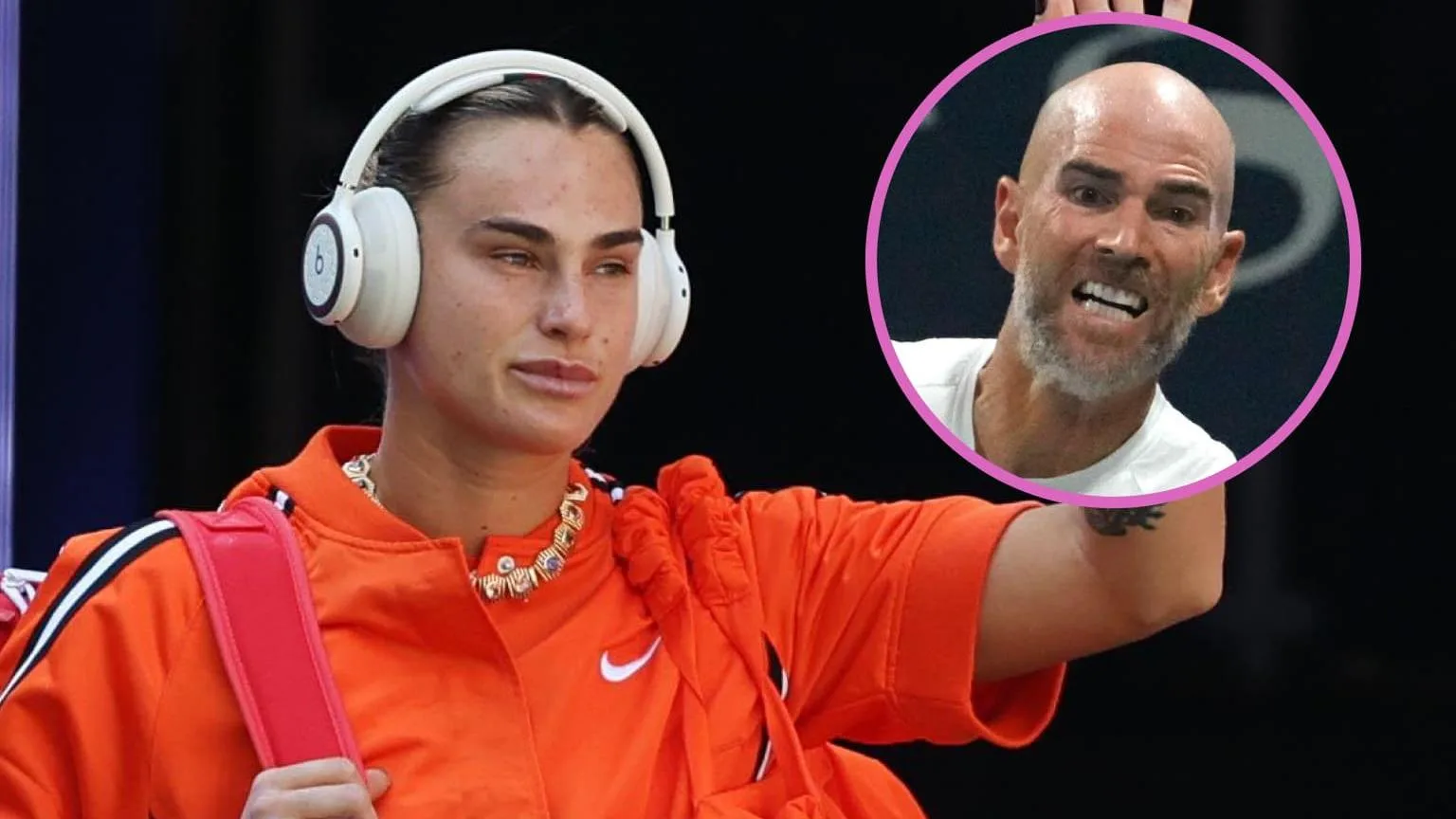
Aryna Sabalenka briefly interrupted her third-round US Open match against Kamila Rakhimova after reporting a strong smell of weed inside Louis Armstrong Stadium.
During the third game, the top seed addressed the chair umpire and said, “Someone is smoking weed.” At the time, the 28-year-old was leading 30-0 and serving at the south end of the stadium, the second-largest court at Flushing Meadows behind Arthur Ashe.
Sabalenka then pressed the point with a request to the official, saying, “Would you mind to (tell them to deal with it) because it’s so strong?” The umpire immediately contacted officials, and US Open staff then moved into the crowd in an effort to locate the source of the smell.
Sabalenka was not alone in drawing attention to the atmosphere around the grounds this week. Adrian Mannarino also spoke out after what he viewed as poor crowd etiquette at Flushing Meadows, where there has also been a rise in paid influencers attending the event.
After his second-round loss to Alexander Bublik, the 38-year-old Frenchman said, “Now people are allowed to move around in the crowd during points. Before, they were not allowed in the court except during changeovers. Now they come in whenever they feel like it; they move around and talk.
“The tournament puts up with it, and I don’t know if it’s the best thing for tennis in general. There’s a smell of marijuana on the court, noise everywhere; the truth is it’s turning into a bit of a zoo. The playing conditions are really peculiar.”
While smoking weed is forbidden inside the tournament grounds, the issue has been dismissed by some former players. Before Sabalenka’s complaint, the Nothing Major podcast team of John Isner, Sam Querrey, and Steve Johnson described it as a “non-issue”.
Isner said, “Players [are] complaining about the aroma of cannabis around the grounds? Especially on court. You walk around New York City, you smell it everywhere. But players have been complaining about it. Mannarino complained about it.
“Because now people are allowed to move around in the stands during the points. I like that. What do you all think about the weed smell that these players are dealing with on the court? Non-issue?”
Querrey also rejected the criticism and urged detractors to stop complaining. The former world No 11 said, “It’s a non-issue. If it’s anything, it’s like way back in a practice court or something. It’s great. This tournament’s awesome. All this stuff with the influencers that are taking over. People on the internet are such idiots. Everyone’s just complaining to complain.”
The discussion over the smell at the Championships now appears set to continue.
Grand Slam
Agassi’s warning, Noskova’s setback and Zverev’s reality after major success
Agassi, Noskova and Zverev all show that Grand Slam titles do not end the pressure.
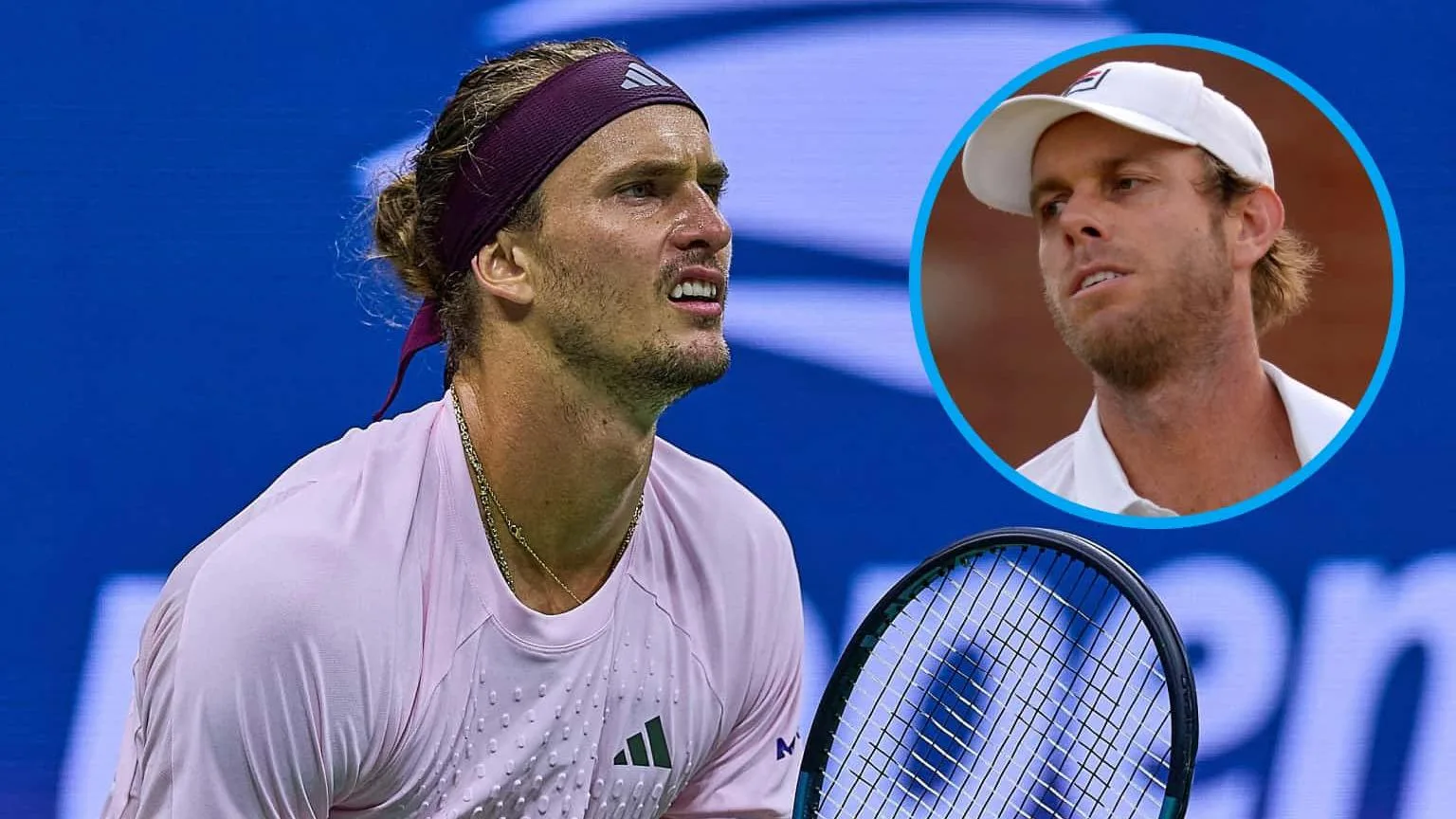
Andre Agassi’s view of Grand Slam glory has remained blunt since he first lifted a major trophy in 1992 at age 22. Speaking during this year’s French Open, the eight-time major champion said that winning a Slam does not alter the demands that follow. In his view, the work continues, and the weight of expectation is never really lifted.
Agassi explained, “We have had a lot of one Slam wonders, that have done some[thing] incredible — I’m sure they’re thrilled they won. When I finally got over the finish line [and won my first Grand Slam], I was let in on a dirty little secret: that winning changes nothing.
“You are gonna have that pressure again if you have more expectations from yourself. So you gotta deal with it, you gotta bring it on Sunday like you did at the start of the tournament.”
Linda Noskova has found that same message reflected in her own career since winning her maiden major at this year’s Wimbledon. The 21-year-old has since admitted to difficulties with motivation and results. Before the US Open, the Czech player said, “Once you feel like you have kind of achieved the dream that you have always been thinking about and dreaming about, it’s very tough to switch and to act like it never happened basically and go for the same thing all over again.
“The motivation is not 100% as it was right before the tournament.”
Sam Querrey has also challenged the idea that a major title automatically brings freedom. After watching French Open champion Alexander Zverev battle through two five-set matches in his first two US Open rounds, the former world No 11 said the myth does not hold up.
He said on Nothing Major, “The top players get through these top rounds pretty easily. He [Zverev] is struggling right now, for whatever reason. I think there’s a whole myth that when you win a major it relaxes you and frees you up.
“That is so not the case. It’s not like all of a sudden Zverev won Roland Garros; he doesn’t get nervous or anything. That’s not just for him; that’s for anyone.”
Zverev looked more at ease at Wimbledon, where he lost a close four-set match to Jannik Sinner. At Flushing Meadows, however, he now faces 25th seed Alejandro Tabilo on Saturday after two matches that went deep into the night. To win his first US Open, he may need a far cleaner route through the tournament.

Navratilova backs Alcaraz on the strain of the tennis calendar

Sabalenka pauses US Open match after raising weed smell complaint

Rusedski says tennis must address US Open late-night finishes after Zverev marathon

Alcaraz Confronts On‑court Microphones During US Open Practice Ahead of Opelka Match

Raducanu Arrives at US Open With Momentum After Strong Hard‑Court Swing