Zverev questions US Open semi-final timing after quarter-final win
Zverev called the US Open semi-final schedule “strange” after reaching the last four.

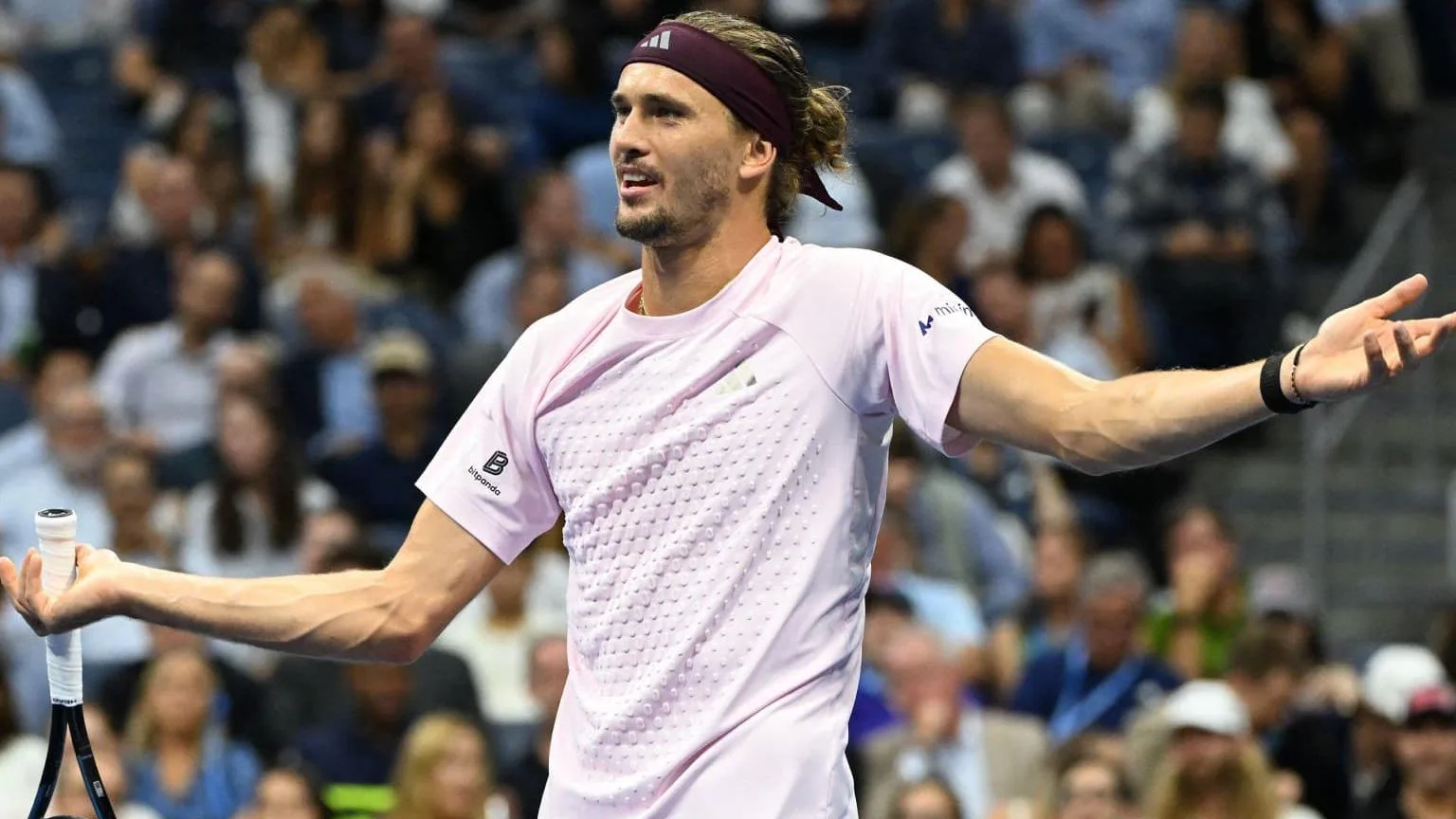
Alexander Zverev has taken issue with the timing of his 2026 US Open semi-final, calling the schedule “strange” and saying it may work against him.
The world No 2 moved into the last four with a straightforward 6-2, 7-5, 6-1 victory over 70th-ranked Botic van de Zandschulp in Arthur Ashe Stadium on Wednesday evening. The result keeps alive his bid for a second Grand Slam title, with world No 50 Karen Khachanov waiting in Friday’s semi-final.
The other men’s semi-final will feature Ben Shelton and Frances Tiafoe, who each won five-set quarter-finals on Tuesday. Their all-American meeting has been placed in the night session, which will start no earlier than 7pm. Zverev and Khachanov, although they played their quarter-finals a day later, will be on court first, with their match set for not before 3pm.
That decision clearly did not sit well with Zverev. After his quarter-final win, he was asked about the schedule and gave a blunt response.
“I don’t think it’s something that plays in my favour. Certainly not,” said the 29-year-old German.
“I also think it’s a bit strange that people who have two days off are playing after us. I’ve never experienced that.
“I’ve never experienced that in my 12 years on tour. But it is what it is. It’s a bit strange.”
Zverev also reflected on reaching the semi-finals at all four majors in 2026, saying the milestone should still be valued even as it starts to feel familiar.
“I think the more often that you get to that stage, the more normal it becomes, which is something that you should never take for granted,” Zverev said.
“I think it’s a very special feeling when it becomes normality. I don’t take it for granted at all. I know it can change in a heartbeat in tennis.
“I think confidence is something that is incredibly important, but also can go away quite quickly. I found that out after Wimbledon, where I didn’t play well throughout the two hard-court tournaments, and then I found it again here.
“Of course, I’m happy with how things are going, but looking forward, I still hope to play two good matches here.”

1000
Alcaraz camp voices concern after marathon US Open defeat to Shelton
Alcaraz’s camp has criticised the US Open after his 3:33am loss to Shelton.
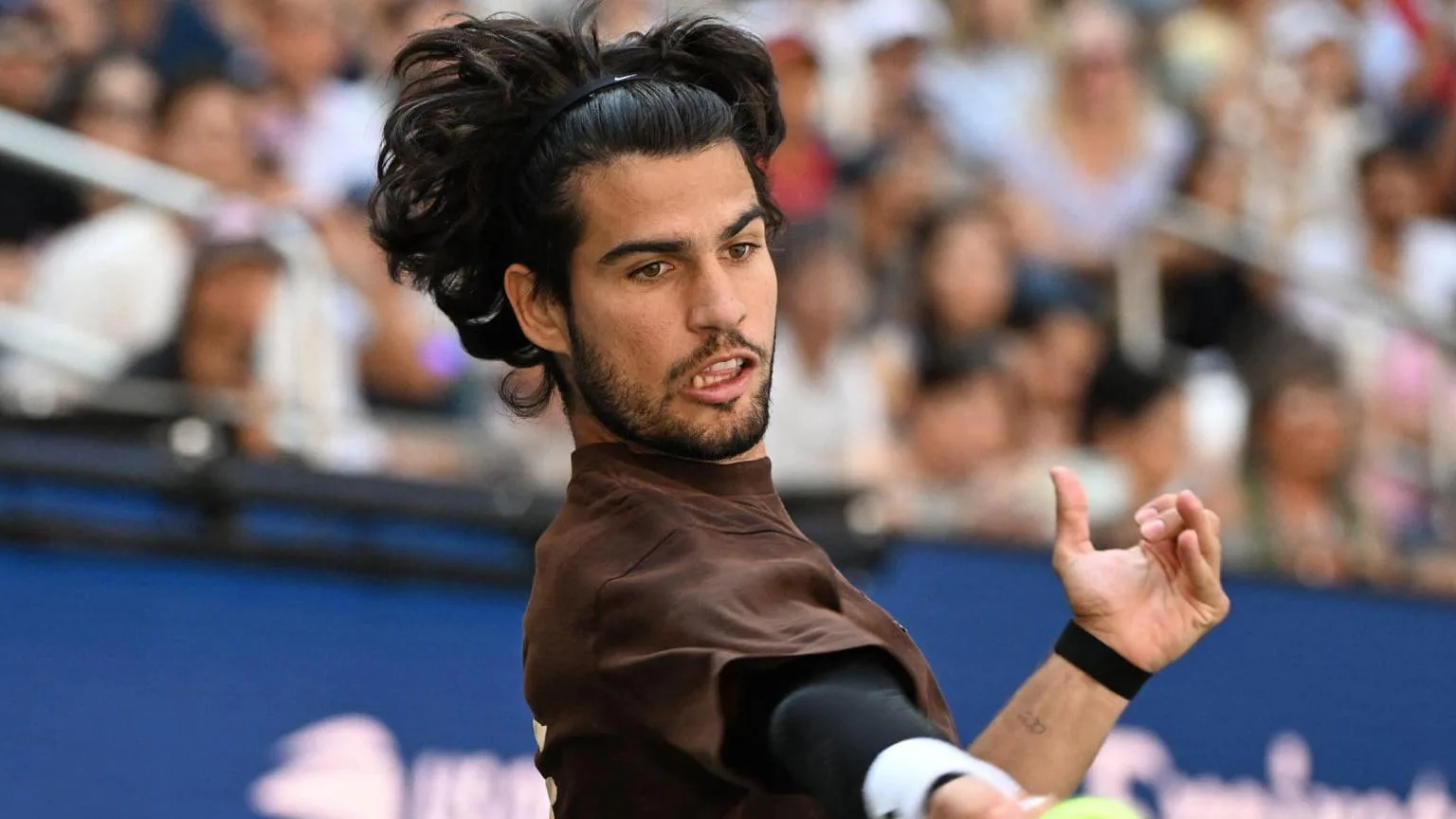
Carlos Alcaraz’s late-night loss to Ben Shelton has prompted a strong response from inside his own camp, with one key team member directing a clear criticism at US Open organisers.
Alcaraz was beaten in five sets by Shelton in a quarter-final that did not begin until after 11pm on Tuesday and finished at 3:33am on Wednesday. That made it the latest finish in the tournament’s history.
The match was the fourth scheduled in Arthur Ashe Stadium on Tuesday, following the men’s quarter-final between Frances Tiafoe and Alex Michelsen, along with two women’s quarter-finals. Every one of the four matches went to a deciding set, while three were settled by a match tiebreak in the final set.
After the match, Alberto Lledo, Alcaraz’s fitness trainer, said the scheduling crossed a line from a physical standpoint. He wrote on Instagram: “On some occasions, I know (I say this humbly) that performance is not synonymous with health,” Lledo wrote on Instagram.
He added: “We have to adapt to any circumstance, and whoever does it first gains a competitive edge, but starting a 5-set tennis match at 11pm is anything but healthy for an athlete.”
The US Open’s scheduling approach has drawn wider scrutiny since the Shelton-Alcaraz contest. Paolo Bertolucci, the former Italian player and current Sky commentator in Italy, also reacted strongly on X/Twitter.
“They’ve decided to kill tennis,” wrote Bertolucci, who won six ATP Tour singles titles and peaked at world No 12.
“Over four hours of a match that ends at 3:30 in the morning. Then they despair over absences due to injuries. Shame!!!
“Asking an athlete to perform at 3 a.m. means pursuing a diabolical plan designed to destroy tennis.”
Alcaraz, meanwhile, said after the defeat: “Well, as I said before the tournament began, my expectation was to go there, compete, play in these kinds of matches, for me, being healthy.
“So, it was close. It was close. So, I’m just a little bit disappointed about not getting the win, but I’m just happy. I’m just proud about myself, about how I fought.
1000
Andreeva and Zheng bank identical US Open rewards after quarter-final runs
Andreeva and Zheng left the US Open quarter-finals with 430 points and $780,000 each.
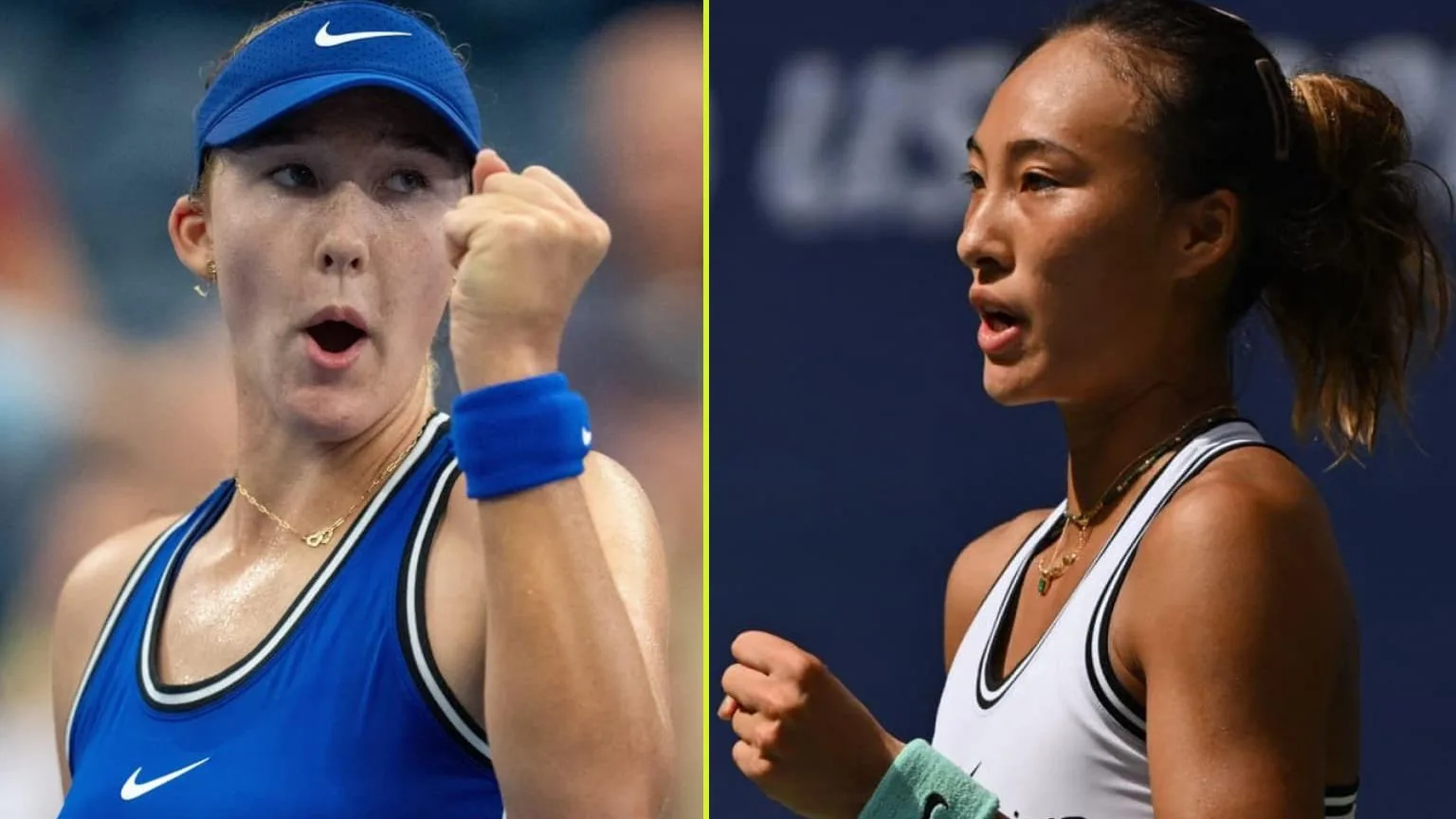
Mirra Andreeva and Qinwen Zheng both saw their 2026 US Open campaigns end in the quarter-finals, but their runs still brought significant gains in ranking points, prize money and live ranking position.
Zheng, who once reached world No 4 and is now ranked 121st, fell 3-6, 6-1, 6-4 to second seed Elena Rybakina on Wednesday. Her path to the last eight included victories over Kristina Liutova, Yulia Putintseva, Madison Keys and Iga Swiatek, as well as three qualifying wins to get into the main draw in New York. That result marked her third appearance in the quarter-finals at Flushing Meadows.
Andreeva’s run ended one round later in the draw after fifth seed Coco Gauff beat her 2-6, 7-6(7), 6-2 in the fourth and final women’s quarter-final. The 19-year-old Russian had earlier defeated Janice Tjen, Eva Lys, Nikola Bartunkova and Anastasia Potapova to reach her first US Open semi-final.
Despite the defeats, both players earned 430 WTA ranking points for making the quarter-finals at the year’s final major. Andreeva started the tournament at a career-high No 5 and remains fifth in the Live WTA Rankings, moving up by 300 points to 5,743. Zheng climbed sharply from No 121 to 52nd in the Live Rankings after adding 470 points to reach 1,083.
The financial return was identical as well. Andreeva and Zheng each collected $780,000 for reaching the final eight at Flushing Meadows.
US Open 2026 WTA ranking points breakdown: First Round 10, Second Round 70, Third Round 130, Fourth Round 240, Quarter-finals 430, Semi-finals 780, Finalist 1300, Champion 2000.
US Open 2026 WTA prize money breakdown: First Round $190,000, Second Round $190,000, Third Round $290,000, Fourth Round $480,000, Quarter-finals $780,000, Semi-finals $1.45 million, Finalist $2.8 million, Champion $5.5 million.
Tennis News.
Andreeva reflects after painful US Open quarter-final loss to Gauff
Andreeva reviewed missed chances, emotions, and Gauff’s patience after the US Open defeat.
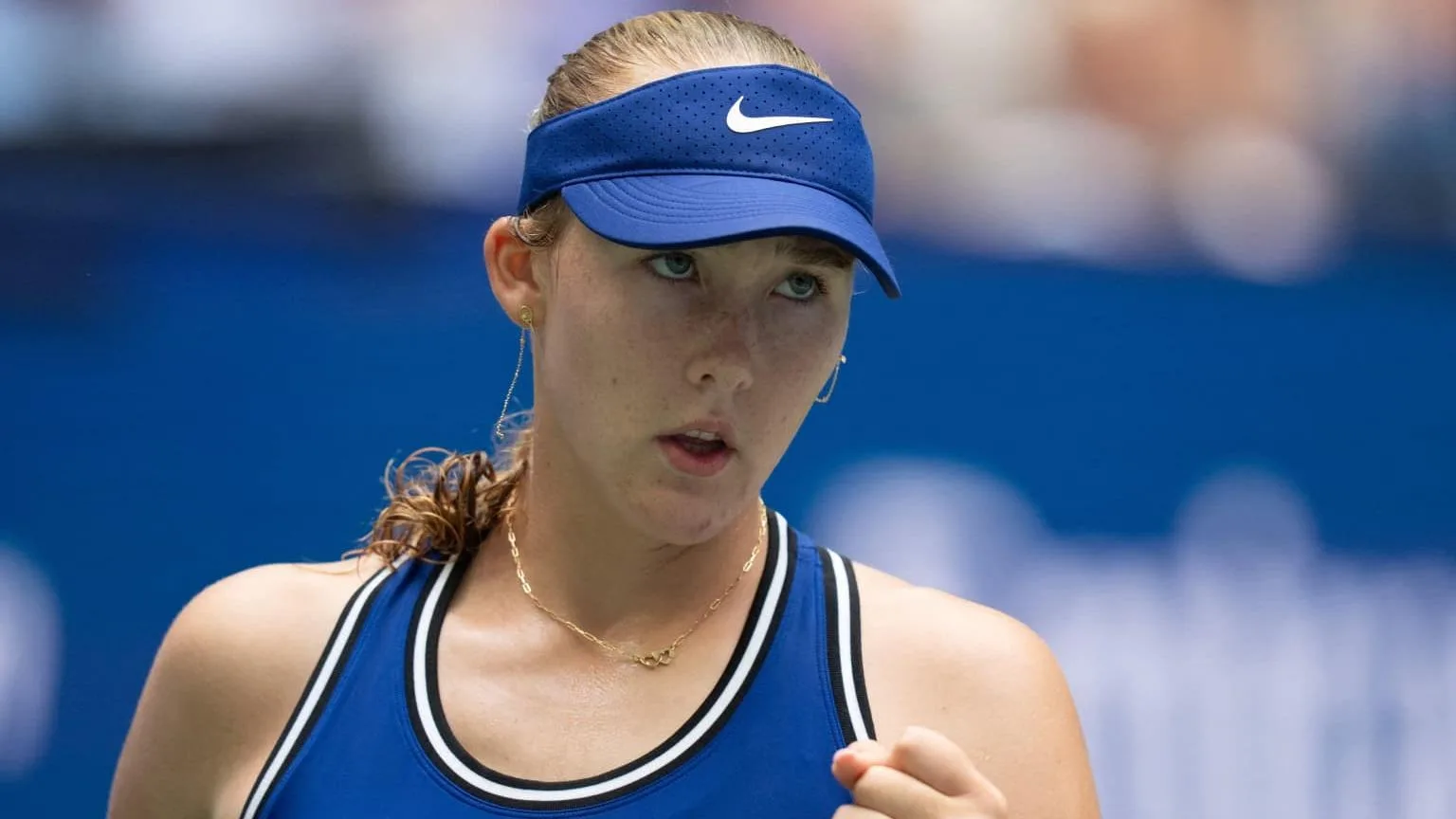
Mirra Andreeva left Arthur Ashe Stadium with mixed emotions after a hard-fought three-set loss to Coco Gauff in the quarter-finals of the 2026 US Open.
The world No. 5 was defeated 6-2, 6-7(7), 2-6 by the fourth-ranked American on Wednesday in what was the 19-year-old Russian’s first quarter-final appearance at the tournament. Andreeva had her chances in the second set, but she could not convert match points at 6-5 and 7-6 in the tiebreak. The result extended her career record against Gauff to 0-6.
Andreeva had entered the event with ambitions of adding a second Grand Slam title to the French Open crown she won earlier in 2026. Gauff, meanwhile, continues her pursuit of a third major title and a second US Open championship.
Speaking afterward, Andreeva said the key lesson was to take more chances when the match was on her racquet.
Q. You had the match in a winning position a couple of times. Just looking back, what are some things you wish you could have done differently when you had that momentum and the edge?
ANDREEVA: Maybe risk more, I guess. I think at that moment I kind of just wanted to play, you know, wanted to make a rally a longer point. So I think that if I maybe would have gone for something more risky to see what would have happened, maybe that would be the only thing that I would change.
She also described Gauff as a difficult opponent because of the American’s patience and ability to extend rallies.
Q. You guys have had some good battles. What makes her so tough to face?
ANDREEVA: I think she’s just more patient than me in a way that, you know, at some moments she makes less mistakes, and obviously she gets a lot of balls back, which I think after, I’m the one that’s trying to rush and make more mistakes than her. So, I think something to also see and take into account for the next matches that I’ll play against her.
Andreeva said she felt less nervous than usual and tried to attack early, but admitted that the match shifted once Gauff raised her level. She also said she was unsure, in the immediate aftermath, whether there were specific positives to carry forward from the tournament.
On her emotions, she acknowledged the importance of body language while explaining why frustration surfaced late in the match.

Alcaraz camp voices concern after marathon US Open defeat to Shelton

Zverev questions US Open semi-final timing after quarter-final win

Andreeva and Zheng bank identical US Open rewards after quarter-final runs

Alcaraz Confronts On‑court Microphones During US Open Practice Ahead of Opelka Match

Raducanu Arrives at US Open With Momentum After Strong Hard‑Court Swing