Features
Rybakina to open China Open as top seed after climbing to world No. 1
Rybakina tops the China Open draw in Beijing after becoming world No. 1 for the first time.

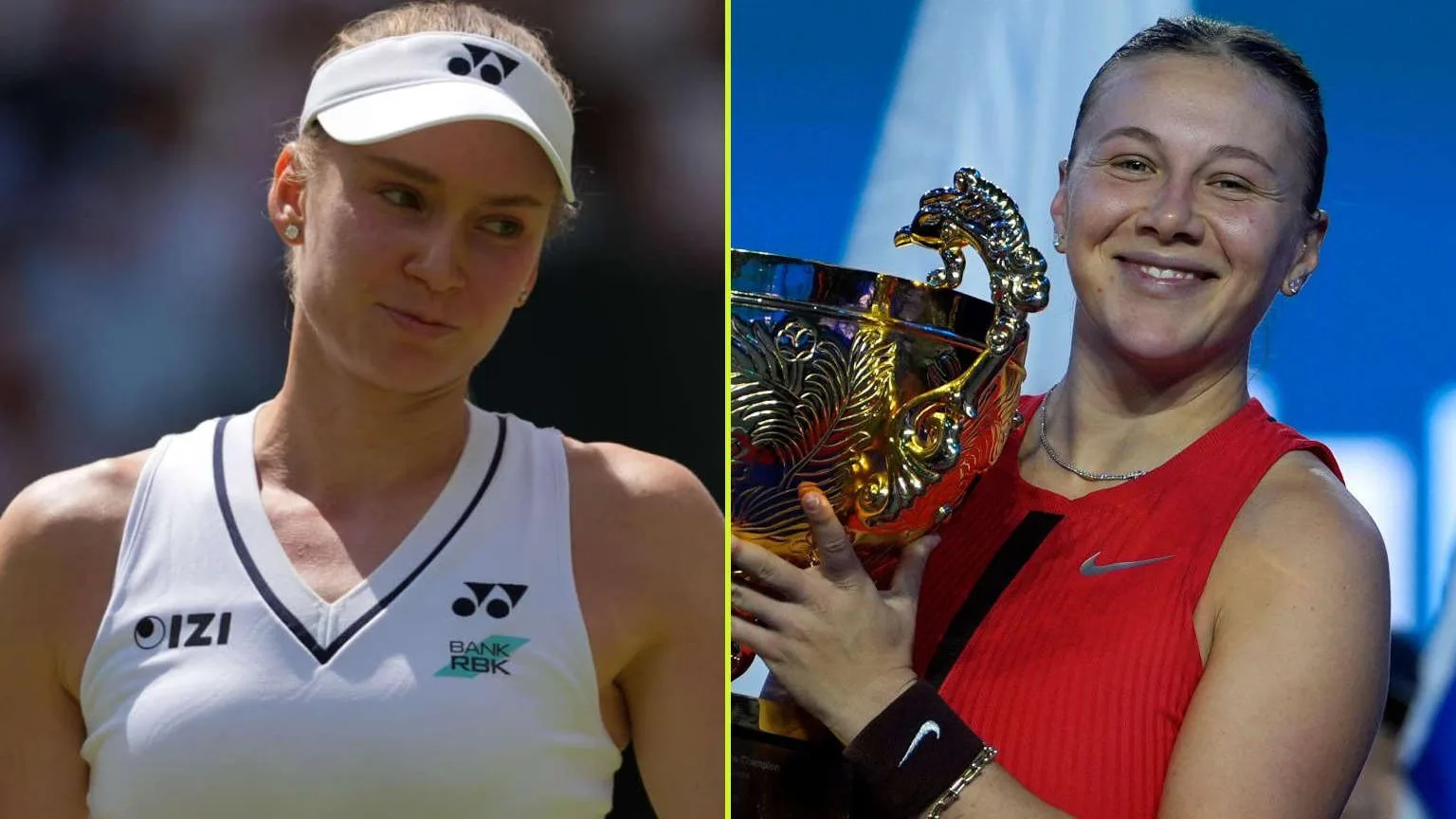
Elena Rybakina will lead the field at the China Open as the world No. 1 for the first time in her career, taking the top seed in Beijing after her rise in the WTA Rankings following her title run at the season-ending Grand Slam.
The WTA 1000 event at the National Tennis Centre runs from 30 September to 11 October and is the ninth, and penultimate, WTA 1000 tournament of the season. Only the Wuhan Open remains after Beijing.
Amanda Anisimova arrives as the defending champion, having beaten Linda Noskova 6-0, 2-6, 6-2 in the 2025 final to secure her second WTA 1000 crown.
The China Open will feature a 96-player singles main draw. The top 32 players on the entry list are seeded and all of them receive byes into the second round. Eight wildcards have been awarded, with former world No. 4 Zheng Qinwen the most prominent name among them. Two players have entered using protected rankings, while 12 more places will be filled through qualifying, with the remainder made up of direct entries through the WTA Rankings.
Rybakina heads the top half of the draw, while world No. 2 Aryna Sabalenka anchors the bottom half. Jessica Pegula, Coco Gauff, Mirra Andreeva, Linda Noskova, Elina Svitolina, Karolina Muchova, Iga Swiatek and Marta Kostyuk round out the top 10 seeds.
Three players who were due to be seeded have withdrawn: Victoria Mboko, Alex Eala and Madison Keys. That leaves Maria Sakkari, Nikola Bartunkova and Cristina Bucsa as the last players on the seeded list, with Peyton Stearns, Liudmila Samsonova and Donna Vekic next in line should further withdrawals occur.
The absentee list has already reached nine. Mboko, Eala and Keys are the most notable names out, while Emma Raducanu is also missing as she continues to recover from a stress fracture in her shin. Rybakina is also dealing with a leg injury and Anisimova has a wrist issue, so more changes could still follow before play begins.
The draw is scheduled for Sunday, 27 September, three days before the main draw starts in Beijing.

Features Grand Slam,Tennis News
Zverev’s major breakthrough draws respect and resistance after another landmark victory
Zverev’s 2026 Grand Slam breakthrough sparks praise, criticism and a pointed defense from Becker.

Alexander Zverev has closed 2026 with a record that places him above every other man in Grand Slam titles this year, following his emphatic US Open success. Even so, the conversation around his achievements has not moved on cleanly, with some still eager to argue that circumstances have done much of the work for him.
For years, Zverev occupied the uncomfortable space of being the player who nearly arrived, only to be denied when the biggest matches came around. First it was Roger Federer, Rafael Nadal and Novak Djokovic who stood in the way. More recently, Carlos Alcaraz and Jannik Sinner have done the same.
That long wait finally ended when he won the French Open in June, and he followed it by lifting the US Open title earlier this month. Those victories confirmed his place among the elite, yet criticism quickly settled on the fact that he beat only one top-10 player across those two major runs, with No 9 seed Ben Shelton falling in the US Open final.
It is clear that injuries to Alcaraz and Sinner have shaped the landscape in 2026, but Boris Becker has firmly rejected the idea that this alone explains Zverev’s success. Speaking on his podcast with Andrea Petkovic, Becker said: “I thought it was a bit of a shame after that then again the critics came saying, ‘Yeah, he only won because Alcaraz and Sinner didn’t play, or Alcaraz did play and Sinner was injured.’
“Or ‘He had an easy draw.’ So first, point one: it’s not his fault if Sinner gets injured before. It’s not his fault if Alcaraz spent four months injured, and thankfully, is back again, and in the quarters against Shelton, loses.
“It’s not his fault if his seeds in that half all lose early. He can only beat the opponent he has to face on the court. I actually find that an absolute disgrace. Incredible disrespect toward his performance.
“If that were a one-off fluke, okay. He’s in the final for a third Grand Slam in a row. Actually, he should in Melbourne – where he served for the match against Alcaraz in the semi – also been in the final. This guy could have been in the final of all four Slams this year.
“He was in three, he is the current Roland Garros champion, Wimbledon finalist. Now people have to finally – in the Autumn of his career – pay him the respect he deserves.
“I’m not wearing a German cap here. I see it as an athlete, as a tennis player. You have to show players respect who simply deliver their performance, and so that is why I’m very happy that Sascha won.”
Zverev’s latest triumph has not silenced everyone. John McEnroe drew attention by calling for Alcaraz and Sinner to return immediately after the US Open final, while other voices questioned whether Zverev had been fortunate not to face either player. Social media reaction, and commentary from around the sport, has often followed the same line.
Zverev himself has acknowledged that Sinner remains the man to beat when fully fit. Yet the resistance to fully embracing his 2026 season says as much about his standing off court as it does about his results on it. The allegations he has previously denied also continue to be raised by detractors.
Whatever the reception, the new US Open champion has completed a season that delivered the major breakthrough he had spent years chasing.
Features Governing Bodies
WTA finances come under scrutiny as 2027 debate gathers pace
WTA finances are under scrutiny as reports, rising costs and talk of merger shape 2027 debate.
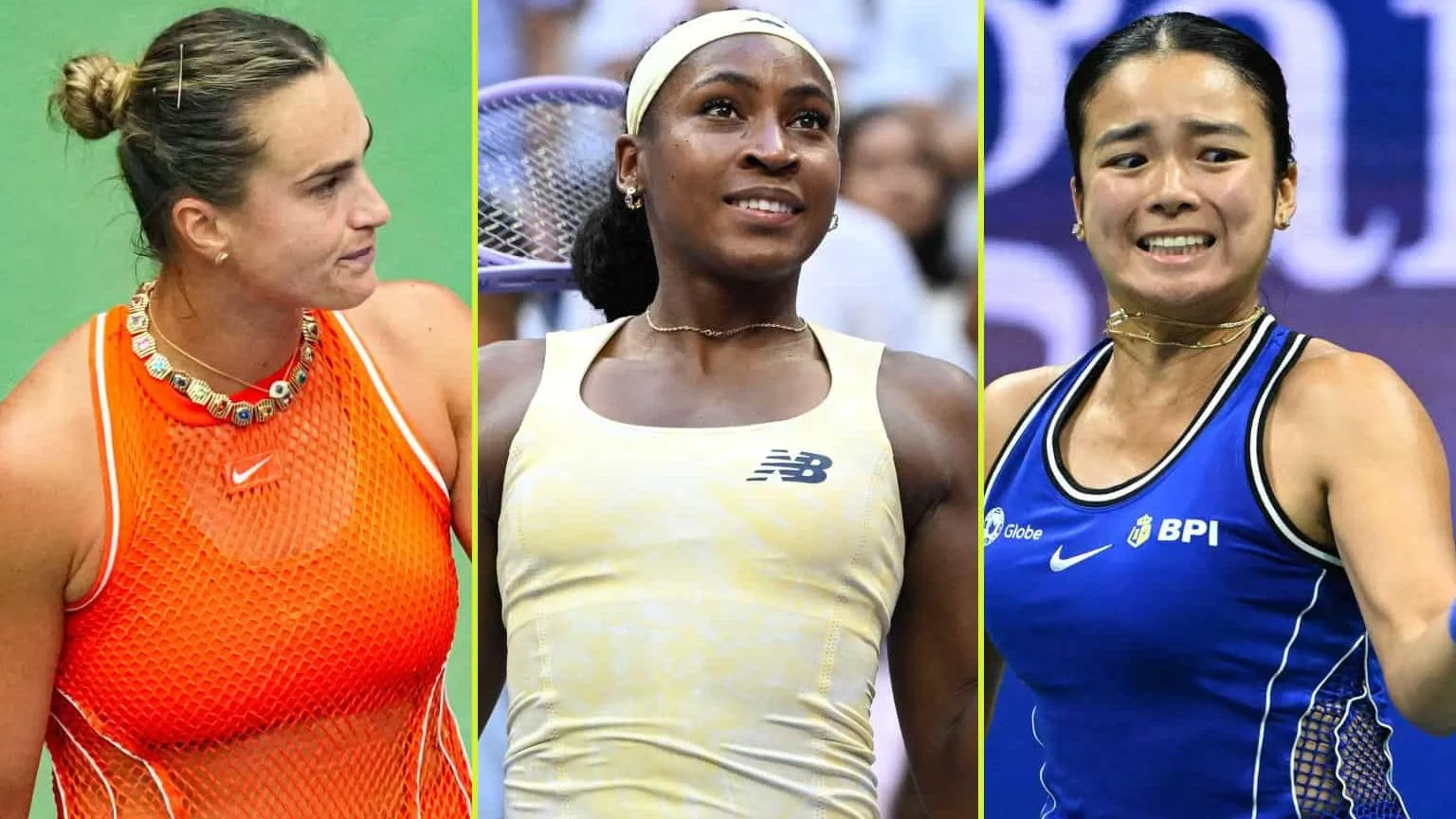
The WTA Tour’s financial outlook is likely to remain a major talking point as 2027 approaches, with reports raising questions about how the organisation will sustain itself in the years ahead.
According to a report in England’s Daily Telegraph, the WTA may face operating losses after its agreement with Saudi Arabia’s Public Investment Fund ends. That deal had been lucrative, but its expiration has already led to the WTA Finals moving from the Arab kingdom to America.
The tour’s budget has also been stretched by higher prize money and television deals that are believed to be less valuable than those secured by the men’s ATP Tour. Even so, women’s tennis remains in a strong commercial position, helped by several of the biggest names in sport.
Coco Gauff, Aryna Sabalenka and Alex Eala are drawing major global attention, and Gauff has been ranked by Forbes as the highest-paid female sports star in the world over the past two years. The numbers underline that strength. Four of the five highest-paid athletes in the world compete on the WTA Tour, with Gauff said to have earned an estimated $33million from prize money and sponsorship in 2025, while Sabalenka is reported to have earned $30million over the same period.
Six-time Grand Slam champion Iga Swiatek is estimated to have earned $25.1million last year, and Eala is expected to move into that level soon after her rise as the new standout figure in women’s tennis this year.
The financial questions may prompt renewed discussion about whether the women’s and men’s tours should work more closely together. Ideas about a merger have surfaced many times, but they have repeatedly failed to progress.
Former US Open finalist Greg Rusedski believes a solution will be found that keeps women’s tennis sustainable.
“If you look at the highest paid female athletes in the world, there’s usually two or three tennis players on the list,” said Rusedski, in an episode of his Off Court podcast that will be released on Monday.
“The WTA will find sponsors, but they have to find the right brands and right partners and they have a lot of upsides.
“Eala has been huge for them. Every time she plays, it’s sold out. Sabalenka is a great character, Elena Rybakina the new world No 1.
“They have to find a way to push it forward and get the right sponsors in.
“Combining the two tours? It has been spoken in the about in the past, but it never becomes a reality.
“Everyone needs to sit in a room together and work out how this can be financially viable. If you combine the men’s and women’s game, you might be able to increase revenue for both.
“It’s all about personality and names. If Eala played every match, the WTA could charge big money, but it can’t work like that.”
The issue is set to keep running through 2027, with the hope throughout tennis that the women’s game stays financially secure while the on-court product continues to thrive.
Features
Rybakina opens No 1 reign with cushion, but the year-end race is still wide open
Rybakina leads the WTA race, but Sabalenka, Pegula and Gauff can still catch her by season’s end.
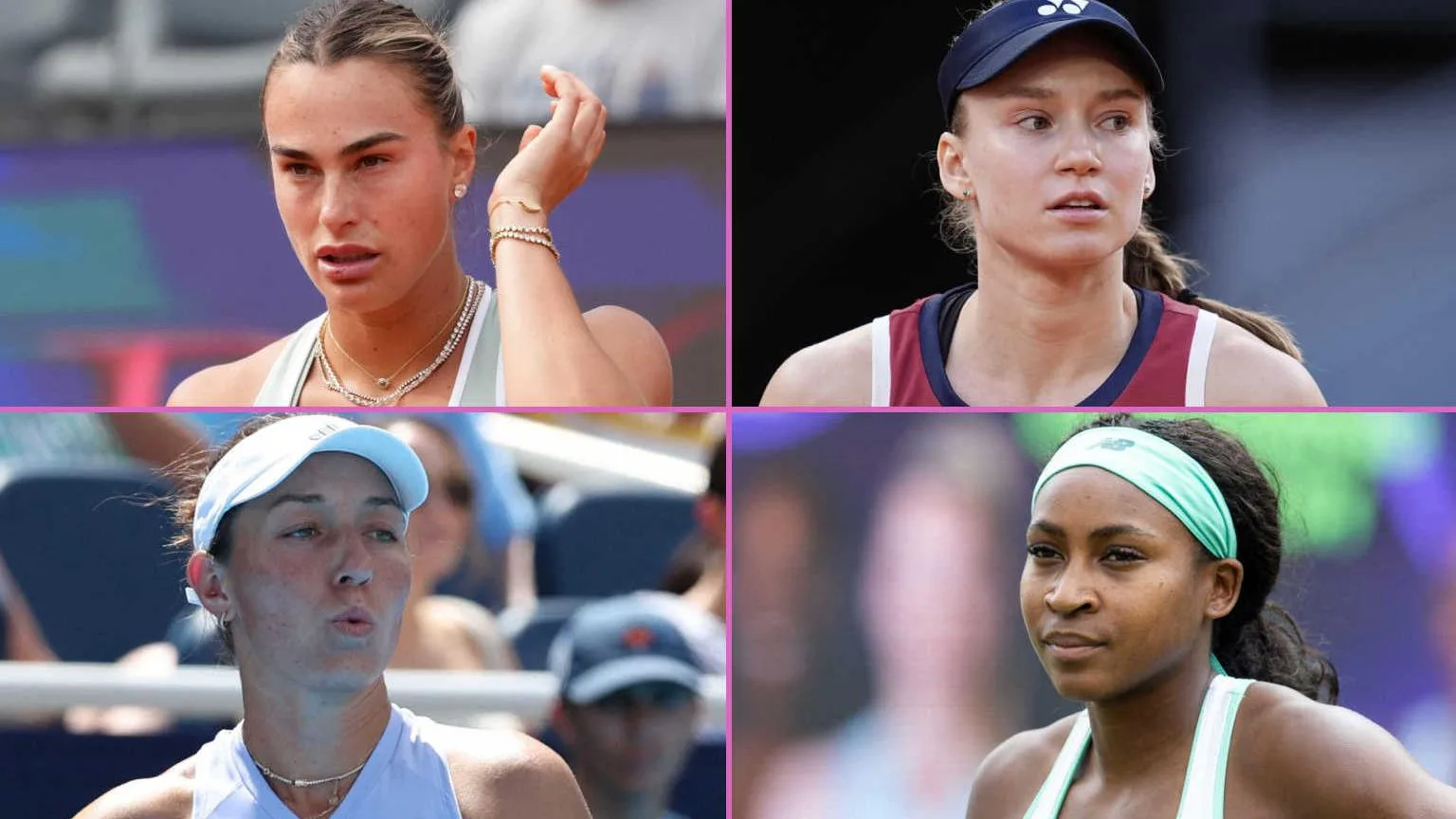
Elena Rybakina has made a strong start to her stint as WTA world No 1, but the path to finishing the year there remains demanding with Aryna Sabalenka, Jessica Pegula and Coco Gauff still in the hunt.
The two-time Grand Slam winner became the 30th player to reach the top of the WTA Rankings on Monday, ending Sabalenka’s 99-week stay at No 1 after a surge built on her US Open title run.
With Pegula and Gauff both falling in the semi-finals at Flushing Meadows, Rybakina begins her reign with a 2,026-point cushion over the player she replaced. Pegula sits another 610 points back in third, while Gauff is just 21 points behind her in fourth.
WTA Top 5 After US Open
1. Elena Rybakina – 9,901 points
2. Aryna Sabalenka – 7,875
3. Jessica Pegula – 7,265
4. Coco Gauff – 7,244
5. Mirra Andreeva – 5,743
The question now is whether that advantage can survive until the season ends at the WTA Finals in Indian Wells in November.
Rybakina carries the heaviest load in terms of points to defend before the close of 2026. Most of that total comes from her unbeaten run at last year’s WTA Finals, where she collected the maximum 1,500 points. Her Asian swing also adds to the challenge, after she played the China Open, Wuhan Open, Ningbo Open and Japan Open in a late push to reach the season-ending event in Saudi Arabia.
That campaign paid off, as she won the WTA Finals, but it left her with significant ground to cover over the next two months. She reached the quarter-finals in Wuhan, won Ningbo, made the semi-finals in Tokyo and lost in the second round in Beijing, although those Beijing points are non-countable. In total, she has 2,410 points to defend once the WTA Finals tally is included.
The other contenders have lighter burdens. Sabalenka will reduce the gap without stepping on court, with only 1,390 points to defend. Pegula is defending 1,440 points, while Gauff will drop 1,590. Mirra Andreeva is well behind the leading group, but with only 131 points to defend, she could move into the discussion if she lands a couple of big titles.
Without last year’s points, Rybakina still leads Sabalenka by 1,007 points. Yet that margin would vanish if Sabalenka, or any of the other challengers, wins the WTA Finals. For now, Rybakina holds the edge. The race is not settled.

Eala fan vote draws backlash after WTA swing poll surge

Rybakina to open China Open as top seed after climbing to world No. 1

Djokovic’s standards still set the bar, says his physiotherapist

Alcaraz Confronts On‑court Microphones During US Open Practice Ahead of Opelka Match

Raducanu Arrives at US Open With Momentum After Strong Hard‑Court Swing