Analytics & Stats Tennis Coaching US Open
Mouratoglou: The non-court hurdles that make the US Open the toughest major
Mouratoglou: surviving New York logistics, fatigue and day-night swings make the US Open unique 2025

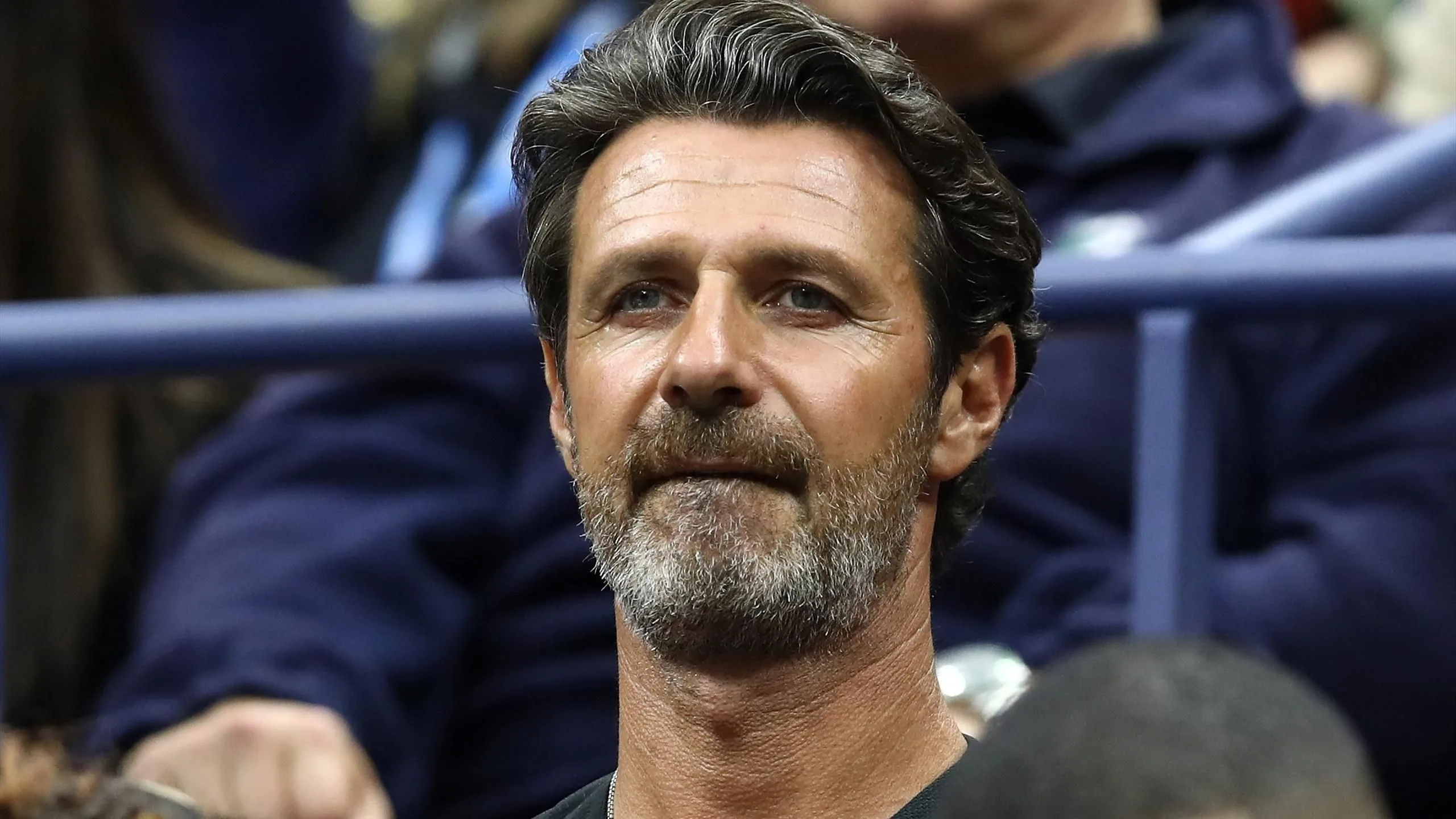
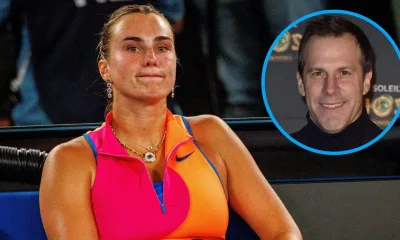
Patrick Mouratoglou argues the US Open is unique among majors because the contest off the court is as onerous as the contest on it. The final Grand Slam of the year will begin later this month, with Jannik Sinner and Aryna Sabalenka preparing to defend their titles in New York.
Mouratoglou, the French coach who famously guided Serena Williams to Grand Slam success and who was involved in the 2018 coaching controversy that resulted in a code violation for Williams and an incident that overshadowed Naomi Osaka’s first Grand Slam title, laid out practical and physical reasons the US Open is the season’s toughest test.
“When you play the US Open, your match is only part of your day. The other part is surviving New York’s logistics,” he wrote on LinkedIn.
“The distance from Manhattan to the stadium is long, and when traffic hits, it’s unpredictable. You need to plan everything around it: when to leave, how to avoid getting stuck, even how to recover in between.
“Add to that the distractions of the city: world-class restaurants, parties, nightlife… New York offers a thousand temptations, and staying 100% focused is a challenge for some players.”
He also pointed to the calendar. “It’s the last Slam of the year, coming after an intense stretch where players have already played Roland-Garros and Wimbledon, sometimes with the Olympics in between,” he continued.
“By September, many arrive completely drained. I’ve seen it with Carlos Alcaraz last year: when he played and won Roland-Garros and Wimbledon, and then, the final of the Olympic Games by the time he started the US swing, he was “dead” physically.”
Mouratoglou noted environmental swings at the tournament and the effect of Arthur Ashe Stadium’s scale. “Day matches are hotter, windier, and faster,” he added. “At night, the wind usually drops, the humidity rises, and the ball travels differently.
“It’s almost like playing two different tournaments and adapting quickly is key to surviving the draw.”
Between Manhattan logistics, a draining season and day-to-night variation on court, Mouratoglou presented a compact case for why only the most resilient players lift the US Open trophy.



Analytics & Stats
US Open app deepens fan access to serve data and live match analysis
Live serve data, match tracking and AI tools are changing how fans follow the US Open this year.
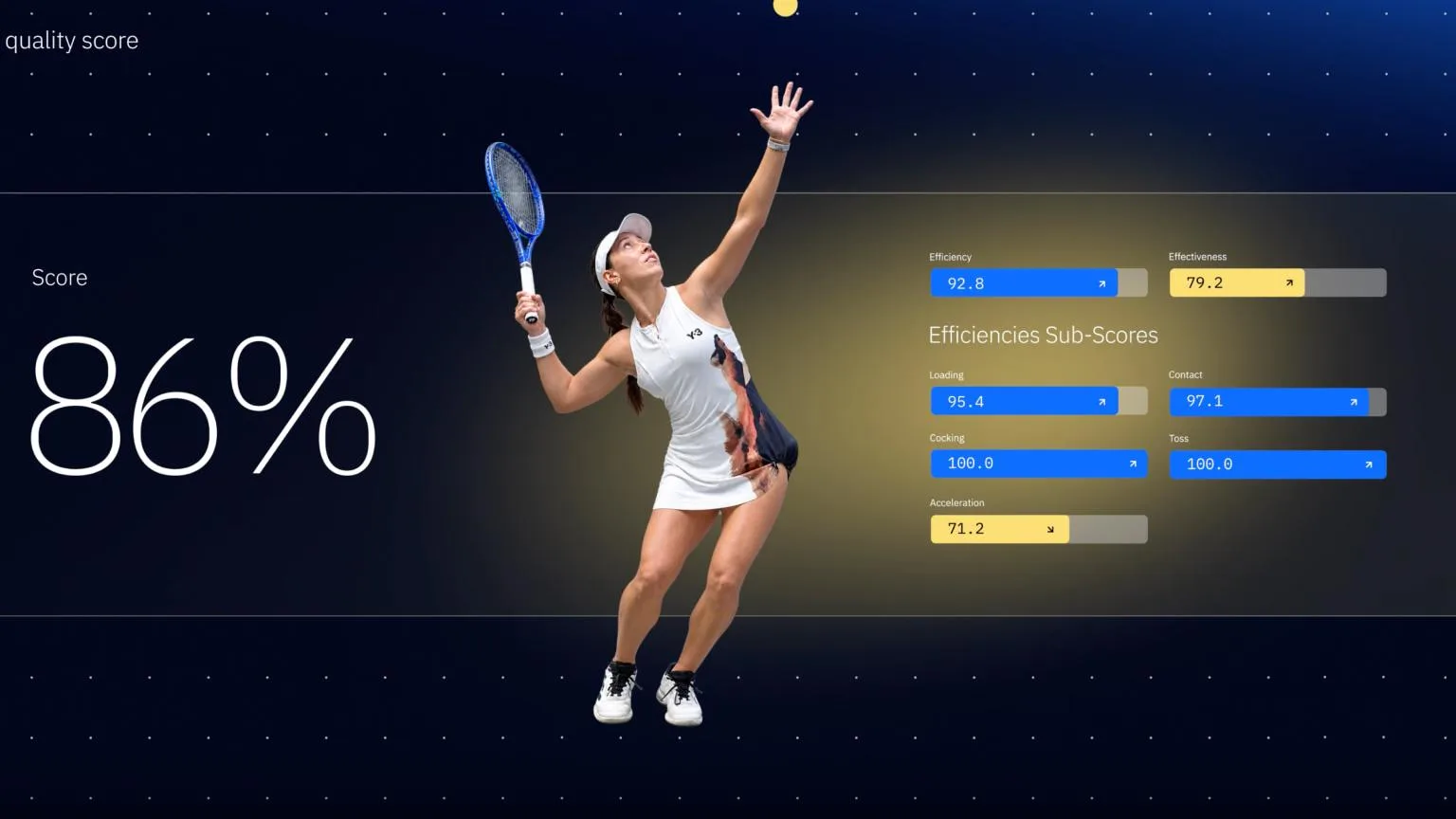
Tennis followers are getting a closer look at the US Open this year, with instant data giving the viewing experience a far more detailed edge.
Elite players have long depended on extensive statistics to shape their match plans, with opponent analysis now a central part of preparation. What was once reserved for teams and coaches is increasingly being pushed toward the wider audience, and IBM has taken that expansion further at the US Open.
Through the official US Open app, fans watching at Flushing Meadows or around the world on TV can now use live data to read matches in greater depth. One of the main additions is a new Serve Quality metric, designed to give viewers a more technical understanding of serving performance.
The tool is available across all 254 singles matches at this year’s US Open. It uses advanced limb-tracking technology developed with IBM Bob to analyse the mechanics of every serve, recording 21 data points across the body and racquet 50 times per second. From wrist flex to the transfer of energy from a player’s legs through the torso, the system captures a huge volume of detail, producing roughly 1.2 billion data points across the tournament.
Fans can follow serving efficiency, accuracy, consistency and ball toss through a live stream of information that explains what separates one serve from another. The app also includes a ‘likelihood to win’ tracker, which reflects the changing stages of a match, while ‘Match Chat’ offers another way for users to engage with the action.
Former ATP Tour player turned TV commentator Sam Querrey described how heavily the sport now leans on information. “The data has gotten so much more aggressive for all athletes in the last couple years.” He added: “As a player, I can’t think about 15 to 20 different things if I’m returning or serving. That’s where the coach comes in. If there’s data that they can look at that’s obvious, they can then give that to the player, and the player can kind of go with those three or four bullet points.”
These developments are not limited to tennis, but the sport is clearly part of a wider shift in how fans experience matches. With AI technology continuing to develop, this kind of live analysis appears set to become an even bigger part of viewing in the years ahead.
Analytics & Stats Media
Kyle Edmund weighs in on the injury toll in tennis
Kyle Edmund discusses why tennis injuries keep rising, pointing to physical demands and balls.
Former British No 1 Kyle Edmund has spoken about the possible reasons behind tennis’s mounting injury problems in an interview with Tennis365.
The issue has been impossible to ignore across both tours in 2026, with players repeatedly forced out of major events. Before Wimbledon’s main draw even began, 18 players had withdrawn across the men’s and women’s entry lists. Among those who have already spent extended periods sidelined in recent months are Carlos Alcaraz, Jack Draper, Emma Raducanu, Victoria Mboko and Lorenzo Musetti.
Edmund knows the physical strain of the sport as well as anyone. He retired in August 2025 at the age of 30 after a career interrupted by serious injury setbacks, and he said the modern game places a greater load on players than it did in the past.
“I think there’s no doubt the game is more physical, certainly being on the tour and speaking to ex-players… the demands, the way people are moving is physical,” said Edmund, who achieved a career-high ranking of world No 14
He also pointed to the packed schedule and the structure of the season as major contributors to the strain on bodies.
“There’s chat about the calendar, more days at the tournaments, the extended Masters events. [There’s] probably less downtime between the tournaments, so you don’t have time to do physical blocks to build your body up throughout the year. You’re very much maintaining.
“So apart from the off-season, you’re just maintaining throughout the year, and to maintain and do training where you’re just, not trying to increase your fitness, but just cope with the demands for 11 months of the year, can be a challenge.”
Edmund, who reached the semi-finals at the 2018 Australian Open, added that the balls used on tour may also be linked to more arm and wrist problems.
“There’s another thing: the balls. I don’t have stats with the balls, but the arm injuries, the wrist injuries… I had a wrist injury at the back end of my career. I never had any wrist injuries before… I don’t what that was,” said the two-time ATP Tour title winner.
“I was obviously coming back from a knee injury, so it might’ve just been I wasn’t ready for the demands of playing match after match.”
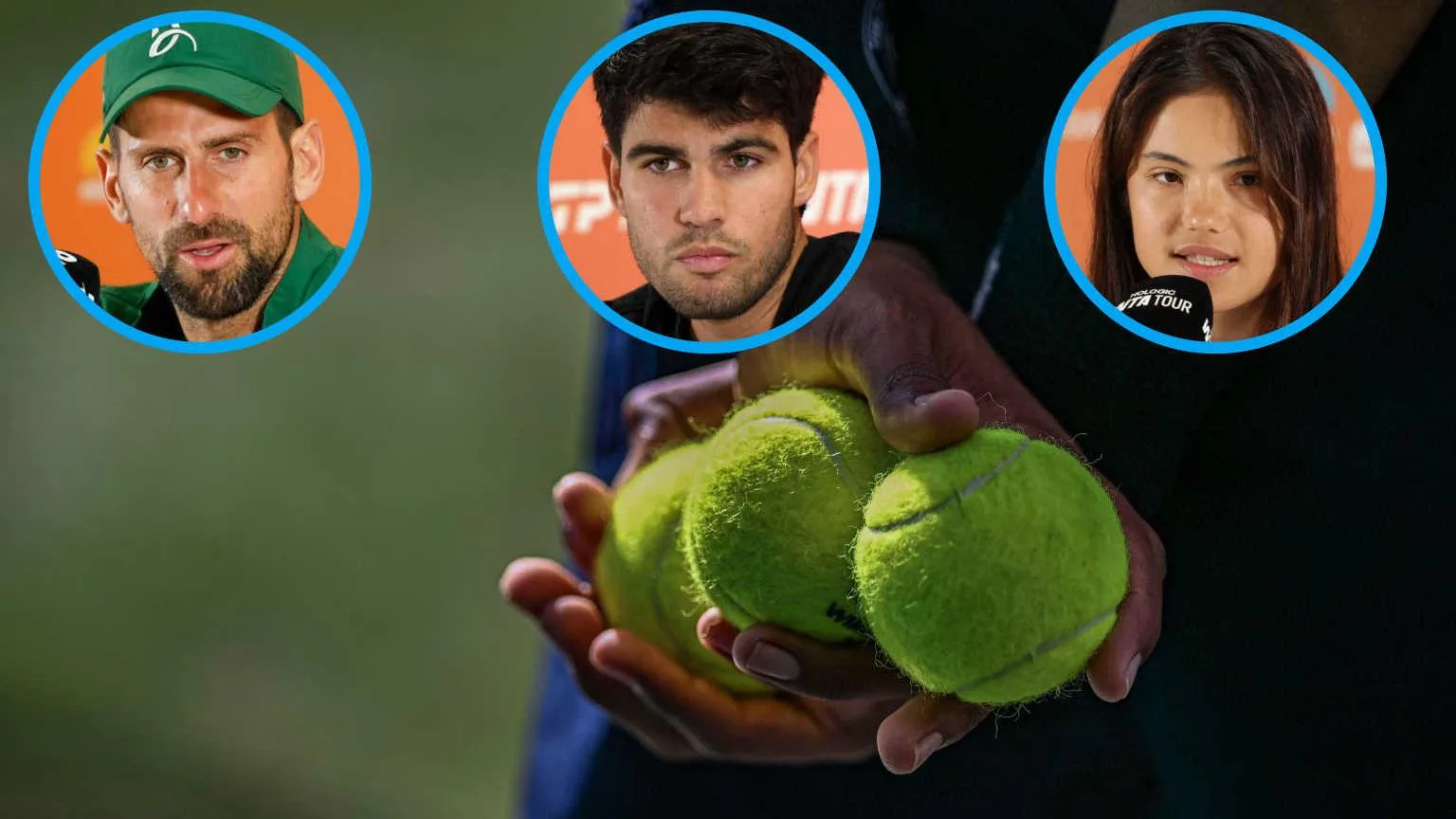
His view is echoed by several leading names. Novak Djokovic, Daniil Medvedev, Alcaraz and Raducanu have all complained about the balls used on the tours in recent years, with Djokovic saying: “That’s probably the biggest difference I can notice, compared to maybe 10, 15 years ago. It’s the balls.”
In February 2025, Alcaraz said: “I think last year there were many injuries, many players with elbow or shoulder issues. It needs to change. I know they will change it.
“Every week, practically every week, we have different balls, different conditions, so it’s complicated to adapt to them.”
Analytics & Stats ATP French Open
Auger-Aliassime Records 100th Week Inside ATP Top 10
Auger-Aliassime reaches his 100th week in the ATP Top 10; he is currently ranked No. 5. Milos Raonic
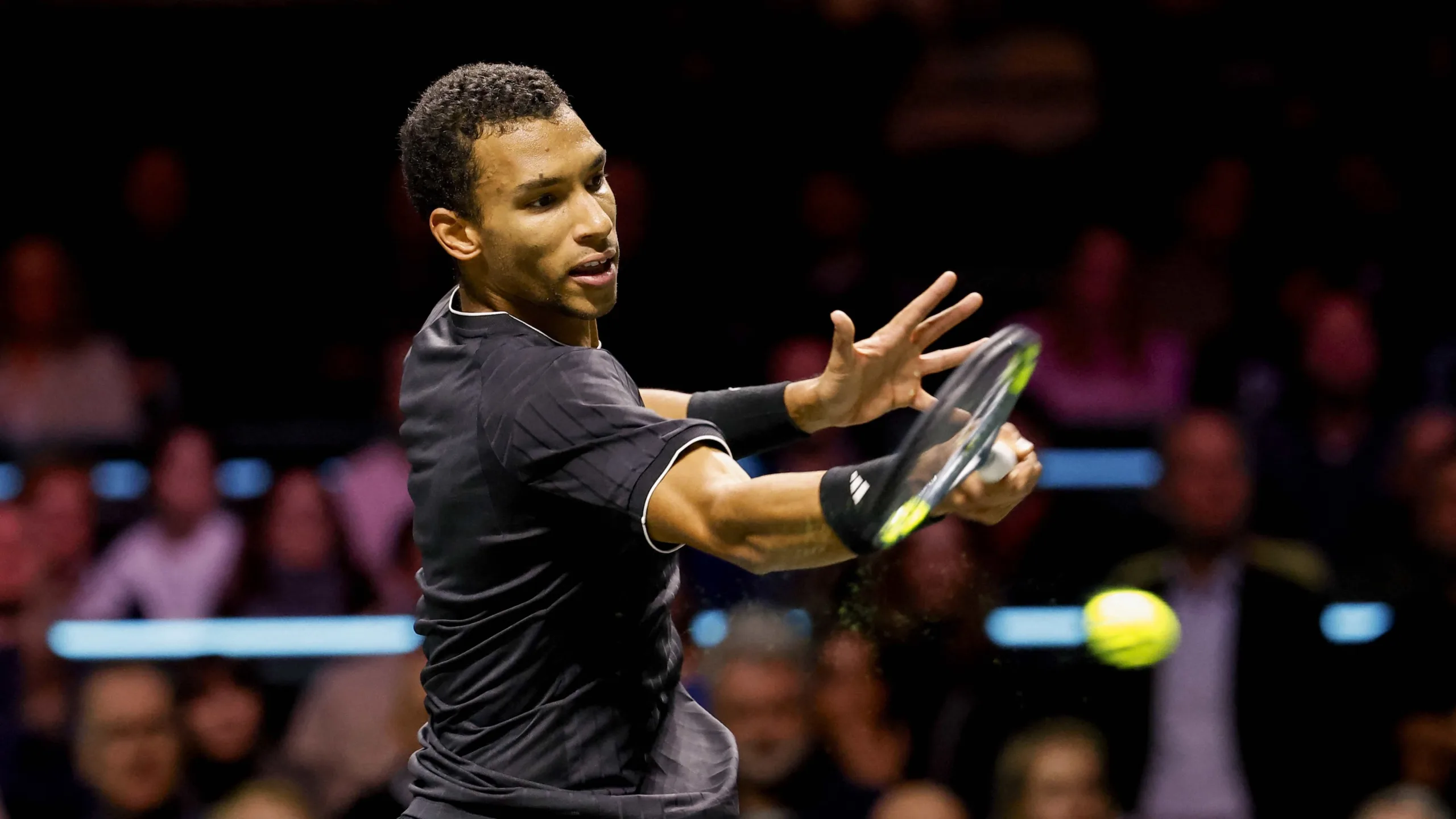
Felix Auger-Aliassime is celebrating his 100th career week inside the ATP Top 10 as the clay-court major approaches. The Canadian has reached the milestone in four separate stints: November 15th to 21st, 2001 (one week), January 10th to September 11th, 2022 (35 weeks), October 17th, 2022 to June 11th, 2023 (34 weeks) and October 27th, 2025 to present (30 weeks and counting).
Auger-Aliassime is currently at his career-high ranking of No. 5 and joins a small group of players born in the 2000s to accumulate triple-digit weeks in the elite. The draft notes he reached the mark “after exactly who you’re thinking.”
The milestone places him among the longest-serving Canadians to reach the Top 10. He becomes the second Canadian to log that many weeks at the top of the rankings, following Milos Raonic, who spent 151 weeks in the Top 10 across the 2013, 2014, 2015, 2016 and 2017 seasons. Denis Shapovalov is the only other Canadian to have reached the ATP Top 10, spending 10 weeks there across 2020 and 2021.
The pattern of Auger-Aliassime’s tenure in the Top 10—multiple returns to the group rather than a single continuous stretch—highlights his resilience and consistency at the highest level. As Roland Garros nears, the 100-week marker is a reminder of his standing on the ATP Tour and of the depth of Canadian men’s tennis in this period.

Sabalenka’s US Open run prompts a rethink from Croft as Navratilova holds firm

Seles marvels at Eala-Jovic thriller as rising stars light up US Open

Alcaraz advances at the US Open after a surprise on-court misunderstanding

Alcaraz Confronts On‑court Microphones During US Open Practice Ahead of Opelka Match

Raducanu Arrives at US Open With Momentum After Strong Hard‑Court Swing