Grand Slam US Open WTA
Coco Gauff reshapes her serve mid-US Open as pressure and progress collide
Gauff is reworking her serve at the US Open, making bold mid-tournament changes. a stern examination

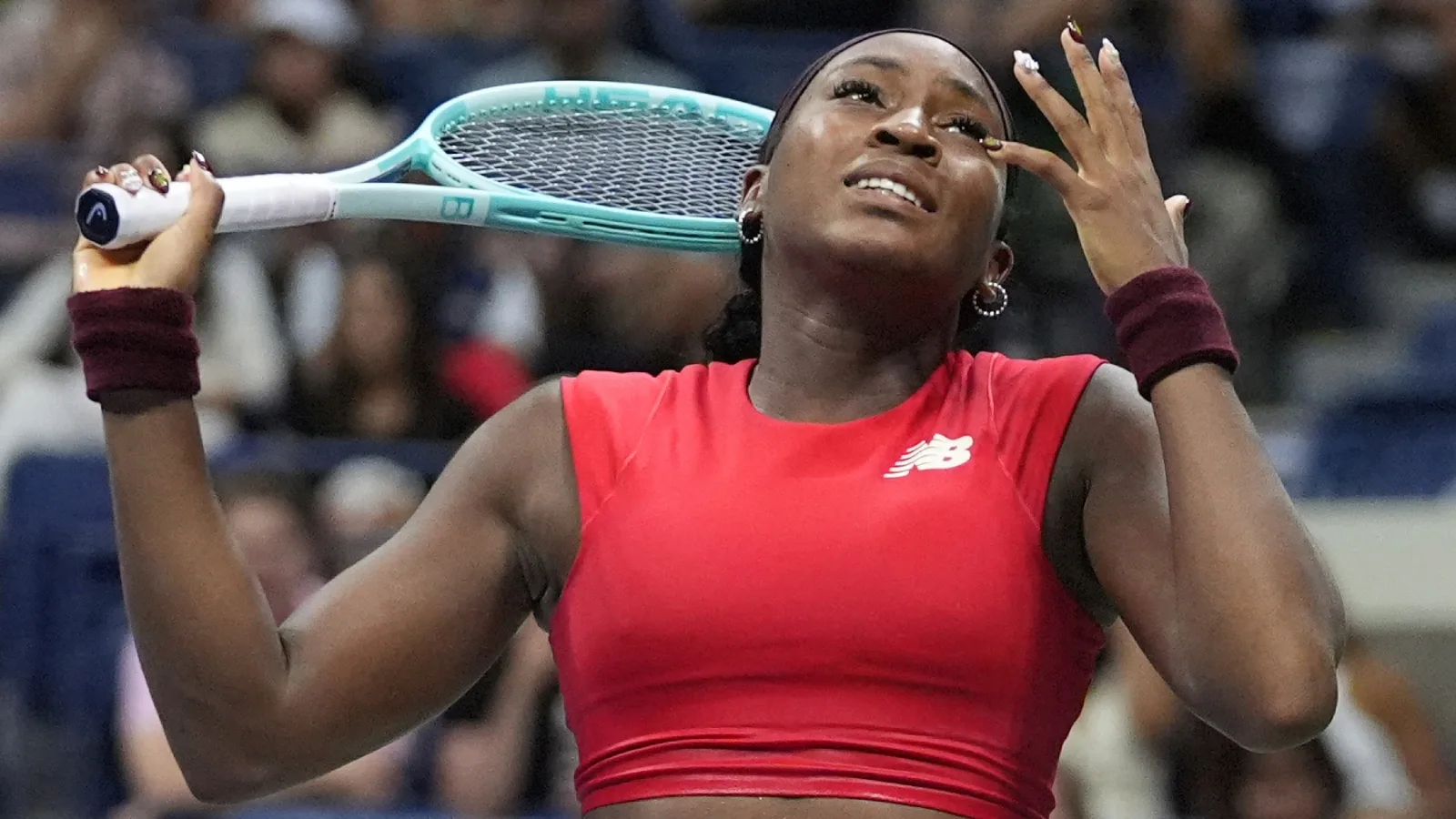
Coco Gauff arrived at the US Open confronting a conspicuous weakness: a volatile serve she has chosen to overhaul in public, during the tournament itself. That decision has been emotional and disruptive, and it helps explain the tears she shed during her second-round match with Donna Vekic.
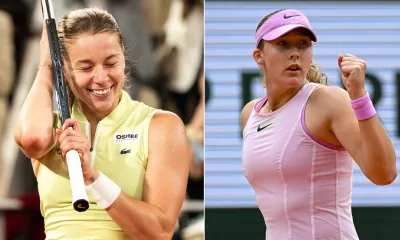
On Arthur Ashe Stadium, Gauff produced a clear sign of progress, dispatching No. 28 seed Magdalena Frech 6-3, 6-1 in one hour and 13 minutes. Frech, a 27-year-old from Poland, engaged Gauff in a number of long rallies and forced extended exchanges. Statistically, Frech made 17 forced errors to Gauff’s nine and nearly twice as many unforced errors (29-18). For Gauff the most notable serving stat was four double faults in the match.
Gauff has struggled repeatedly with double faults this season, leading the WTA with more than 300 eight months into the year and producing 23 double faults in a single match in Montreal. After Montreal she sought help. In a fortunate turn, serve and biomechanical specialist Gavin Macmillen, who had worked with Aryna Sabalenka previously, became available shortly before the tournament.
McMillen’s work has focused on the serve: the toss, shoulder alignment, body rotation and launch point, with an emphasis on building new muscle memory rather than raw speed. Gauff described the timing and the choice succinctly: “I just felt like I didn’t want to waste any more time.”
Her path here included a first-round win over Ajla Tomljanovic, a three-set match in which she hit 10 double faults, and the tight, emotional test against Vekic in which she still managed to hold together and advance.
Martina Navratilova was shocked Gauff decided to make the drastic change in New York. “If you’re trying something new and you have no idea how it’s going to turn out, especially when you don’t have any confidence, you really need to do it in a quiet space.”
Gauff acknowledged the strain on court: “It’s been a rough couple of weeks, but I’m just happy to be back on this court. You guys give me so much joy and the reason. . .” She added, “You guys really help me a lot. So I’m doing this for myself, but I’m also doing it for you and no matter how tough it gets inside, you [we] can do it.”
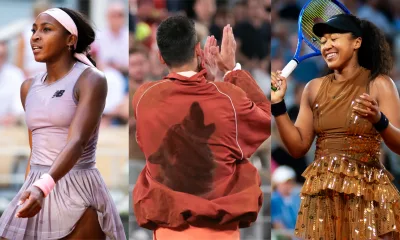
A challenging fourth-round opponent awaits in Naomi Osaka. Gauff, who leads their series 3-2, said: “I’m honestly excited to play her now, because I feel healthy, and I just want to see what happens.”
“This whole tournament I think will stick for me the rest of my career, knowing that if I can get through, like, two tough matches feeling how I’m feeling, I know I can get through pretty much anything,” Gauff said. “Regardless, I hope I get more Grand Slam finals and when those nerves come, I’ll recall this feeling and know that it probably can’t get much worse than this.”




Grand Slam
Alcaraz Keeps Silence of Doubters Growing After Smooth Passage at the US Open
Alcaraz beat Wu Yibing in straight sets and reached the US Open last 16 in style.
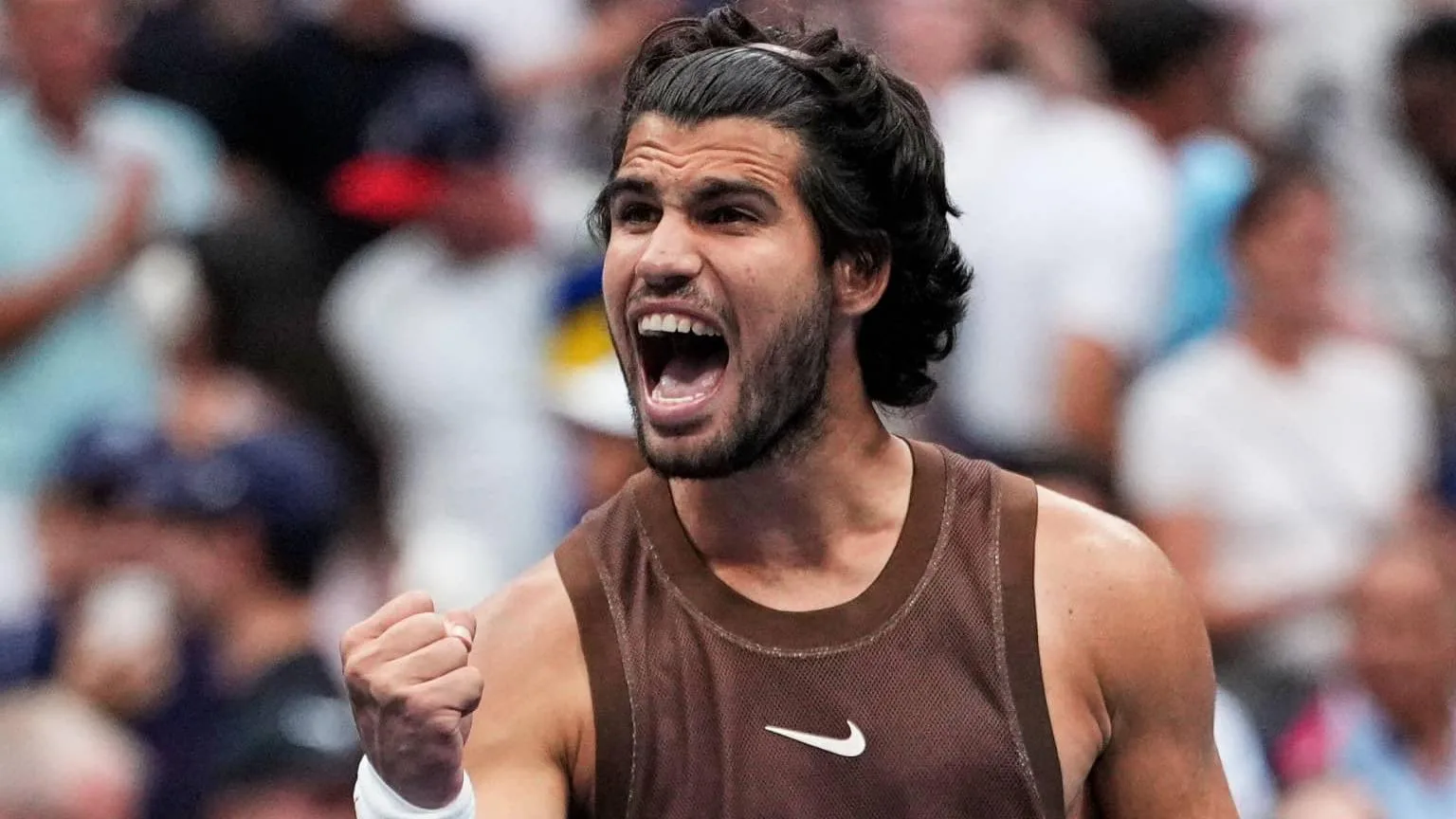
Carlos Alcaraz continued to make a strong case for his comeback at the US Open, sweeping past Wu Yibing 6-3, 6-4, 6-1 to move into the last 16 in New York.
Before the tournament, some prominent voices questioned whether returning to a best-of-five-set Grand Slam after four-and-a-half months out with a wrist injury was wise. Andy Roddick and Greg Rusedski were among those who felt Alcaraz would be unlikely to gamble with his long-term health by coming back in the sport’s longest format.
So far, those doubts have not held up on court. The seven-time Grand Slam winner has handled his opening three matches at Flushing Meadows with authority and now looks increasingly like the leading candidate to complete a remarkable title run. Even so, Alcaraz suggested there is still more to come before his fourth-round meeting with Tommy Paul.
“Today was a really high rhythm. The way he plays, his balls leap around the court, but I stayed there and played aggressively and smart,” said Alcaraz.
“In the toughest moments, I did everything good, which I’m really happy about.
“Could it be better? Yes. But overall I’m just really proud and happy with the performance today.
“To be honest, I’m playing better than I thought [after over four months out injured with his wrist].
“Physically, I thought I was going to be dead after the first match. But I’m recovering really well.
“My level right now is really good, I’ve got the rhythm of the competition every time I step on the court.”
That assessment appears fair. His serve is gaining pace, his forehand is being struck with heavy power and his competitive edge looks fully restored, helped by strong backing from the large group in his box.
Alcaraz also has one of the biggest travelling entourages in men’s tennis, with coaches, brothers, parents and managers all trying to secure seats for each match. Family remains central to him, and when asked to name a dream doubles partner from his own relatives, he chose his younger brother.
“I have to say Jamie,” said Alcaraz. “He is doing great. Hopefully one day I can play doubles with him. I’m waiting for him.”
For now, the storyline is simple: Alcaraz is playing with enough control and conviction to challenge the usual assumptions about what is possible after injury, and he is doing it at Grand Slam level.
Grand Slam
Rusedski draws Nadal and Sinner parallels as Eala’s US Open run continues
Rusedski praised Eala’s intensity, return game and mentality after her strong US Open start.
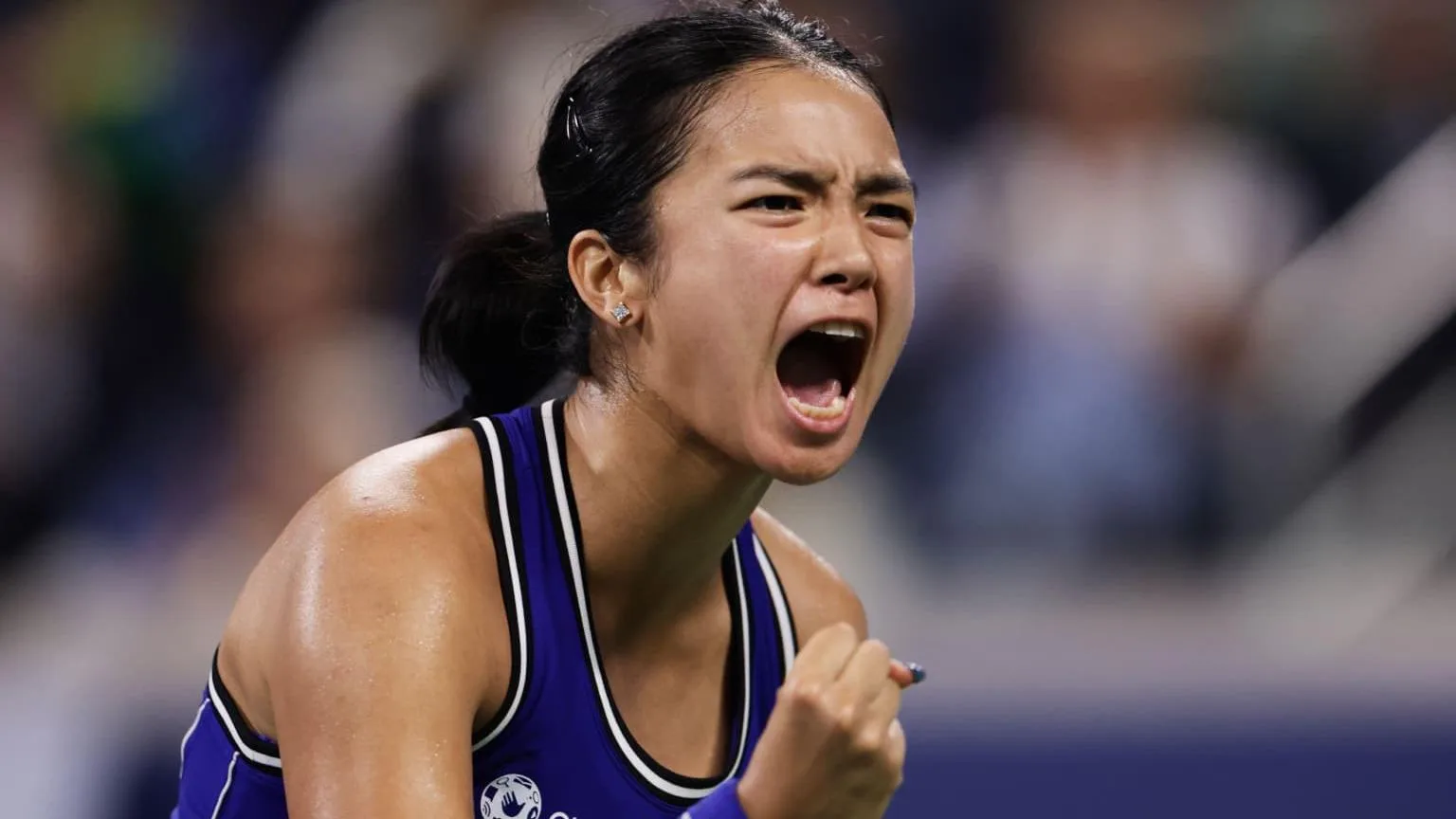
Alex Eala’s progress at the 2026 US Open has prompted high praise from a former finalist, who compared her qualities to Rafael Nadal and Jannik Sinner while also calling her the best returner in the game.
Eala has advanced to the third round in New York after back-to-back straight-set victories over Mary Stoiana and Oleksandra Oliynykova. The 21-year-old, seeded 17th, now prepares for a high-profile meeting with world No 14 Iva Jovic on Saturday at Flushing Meadows.
On the latest edition of his Off Court With Greg Rusedski podcast, former world No 4 Greg Rusedski offered a detailed assessment of Eala’s game and mentality.
“When I watch her, she reminds me a little bit of Rafael Nadal; the intensity she has on the court,” said the former British No 1.
“And you look at her positioning with her body. She’s always at the same level with her height when she moves from the back of the court, almost a little bit reminiscent of the intensity of Rafael, but the level on height with the bending of the knees like Jannik Sinner.
“So, it’s a brilliant combination she has. And the mindset is second to none. So yes, she’s got this third round match that’s coming up.
More US Open News
How Alex Eala took her game to the next level to become a US Open contender
Iva Jovic makes feelings clear on playing Alex Eala before US Open blockbuster
“That’s going to be very, very difficult, but I think she finds a way to get back in the fourth round of a Slam again, after she did it at Wimbledon.”
Rusedski was equally struck by the Filipina’s returning skills.
“Well, she’s technically so sound,” Rusedski assessed. “She obviously has an incredible vision, reads her opponent’s serves and patterns exceptionally well, standing in on the court.
“And if you look at her techniques, they’re very simple, straight back, straight through. So that allows her to take the ball very early. And that’s something you can see that she’s practised from a very, very young age.
“And for me, she’s probably the best return of serve player in the world at the moment. The way she can take it so early, take your time away. It doesn’t matter if she’s facing a big server or someone who’s serving slow, she’s willing to step in.
“But the key ingredient to getting to the very top is that serve. So then she can get the first strike in and get aggressive as she does on the return. So the full package is coming together very nicely.”
ATP Tour News Grand Slam
Sabalenka pauses US Open match after raising weed smell complaint
Sabalenka halted play after reporting a weed smell at Louis Armstrong Stadium during her US Open match.
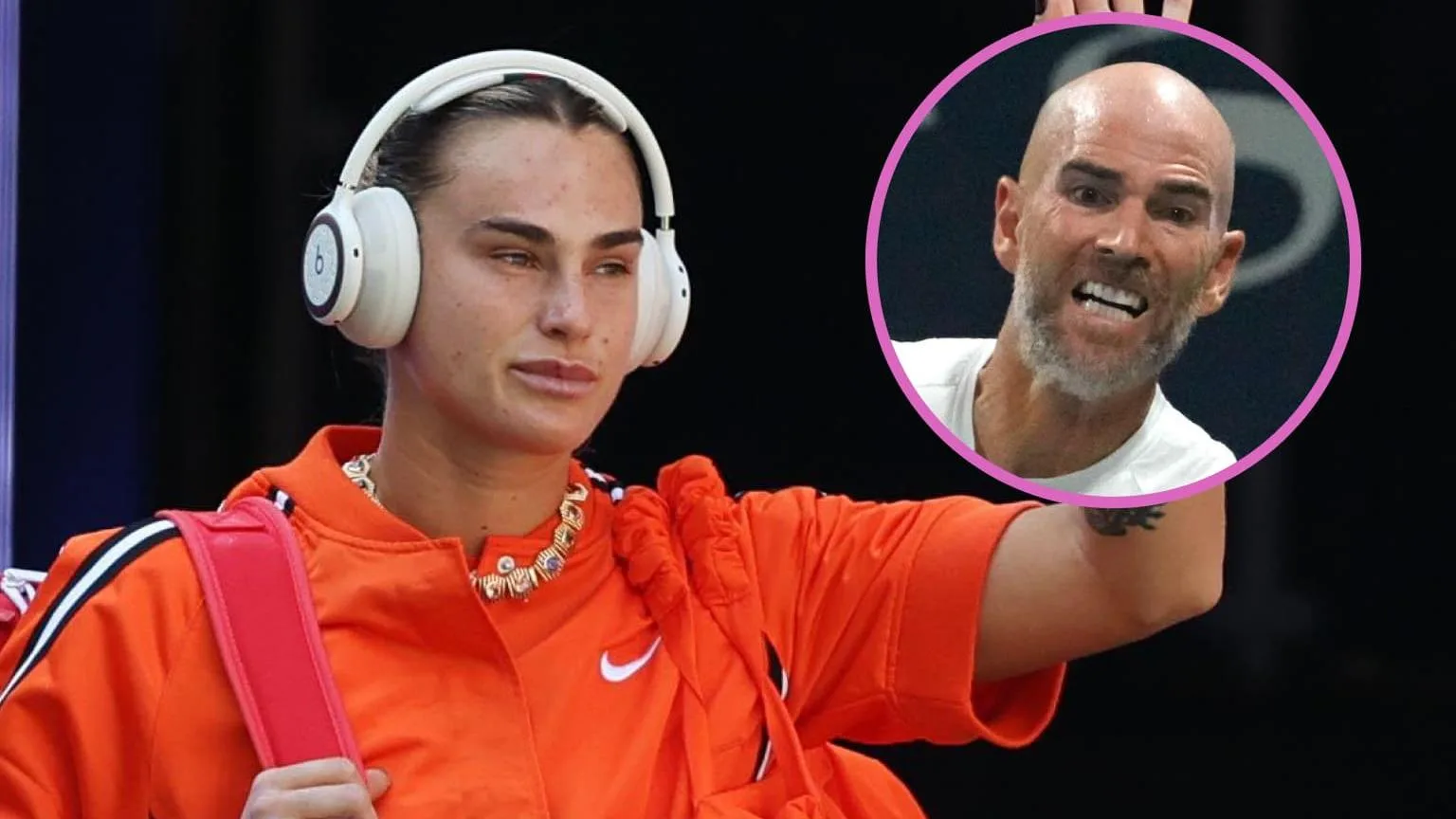
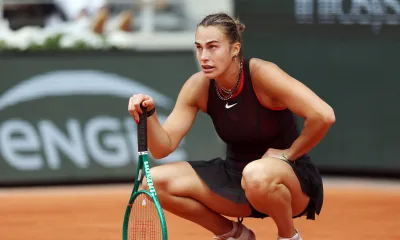
Aryna Sabalenka briefly interrupted her third-round US Open match against Kamila Rakhimova after reporting a strong smell of weed inside Louis Armstrong Stadium.
During the third game, the top seed addressed the chair umpire and said, “Someone is smoking weed.” At the time, the 28-year-old was leading 30-0 and serving at the south end of the stadium, the second-largest court at Flushing Meadows behind Arthur Ashe.
Sabalenka then pressed the point with a request to the official, saying, “Would you mind to (tell them to deal with it) because it’s so strong?” The umpire immediately contacted officials, and US Open staff then moved into the crowd in an effort to locate the source of the smell.
Sabalenka was not alone in drawing attention to the atmosphere around the grounds this week. Adrian Mannarino also spoke out after what he viewed as poor crowd etiquette at Flushing Meadows, where there has also been a rise in paid influencers attending the event.
After his second-round loss to Alexander Bublik, the 38-year-old Frenchman said, “Now people are allowed to move around in the crowd during points. Before, they were not allowed in the court except during changeovers. Now they come in whenever they feel like it; they move around and talk.
“The tournament puts up with it, and I don’t know if it’s the best thing for tennis in general. There’s a smell of marijuana on the court, noise everywhere; the truth is it’s turning into a bit of a zoo. The playing conditions are really peculiar.”
While smoking weed is forbidden inside the tournament grounds, the issue has been dismissed by some former players. Before Sabalenka’s complaint, the Nothing Major podcast team of John Isner, Sam Querrey, and Steve Johnson described it as a “non-issue”.
Isner said, “Players [are] complaining about the aroma of cannabis around the grounds? Especially on court. You walk around New York City, you smell it everywhere. But players have been complaining about it. Mannarino complained about it.
“Because now people are allowed to move around in the stands during the points. I like that. What do you all think about the weed smell that these players are dealing with on the court? Non-issue?”
Querrey also rejected the criticism and urged detractors to stop complaining. The former world No 11 said, “It’s a non-issue. If it’s anything, it’s like way back in a practice court or something. It’s great. This tournament’s awesome. All this stuff with the influencers that are taking over. People on the internet are such idiots. Everyone’s just complaining to complain.”
The discussion over the smell at the Championships now appears set to continue.

Alcaraz Keeps Silence of Doubters Growing After Smooth Passage at the US Open

Rusedski draws Nadal and Sinner parallels as Eala’s US Open run continues

Jasika draws a contrast as Kyrgios ban sparks debate over treatment and consistency

Alcaraz Confronts On‑court Microphones During US Open Practice Ahead of Opelka Match

Raducanu Arrives at US Open With Momentum After Strong Hard‑Court Swing