Anti-Doping Player News
ITIA launches trial to fund legal, testing and mental-health support for accused players
ITIA starts a trial offering legal, mental-health and testing support for players facing probes. Now.

The International Tennis Integrity Agency has started a trial program to offer financial, legal and well-being assistance to players who are the subject of doping or match-fixing investigations. The initiative begins immediately and will be reviewed after next year.
Under the trial, a player can receive up to $5,000 to have a medicine or supplement analysed by a laboratory accredited by the World Anti-Doping Agency to check for contamination. The same amount is available to help identify possible sources of contaminated meat, a common explanation for failed doping tests in sport.
Sport Resolutions, the independent dispute resolution service that runs tribunals for anti-doping cases in tennis, will extend its free legal support to the point when a player first tests positive for a banned substance. Until now, that assistance was provided only after a player was formally charged.
Sporting Chance will offer six sessions of confidential well-being support to people under investigation for anti-corruption or anti-doping violations.
“We recognize the process can come at both a financial and emotional cost,” ITIA CEO Karen Moorhouse said.
“No player picks up a tennis racket as a child with any motivation other than playing the game,” she said. “Individuals find themselves in these situations for a lot of reasons, and so no matter what those reasons are, and where the case ends up, they also deserve someone to talk to.”
The ITIA played a role in two high-profile doping cases that began last year and resulted in short bans for players who have been ranked No. 1 and won multiple Grand Slam titles, Jannik Sinner and Iga Swiatek.
Sinner reached a deal with WADA to accept a three-month suspension that ended this April after that group appealed an exoneration from the ITIA based on what it determined was an accidental contamination by an anabolic steroid. Swiatek agreed to a one-month ban that was partly served during last off-season after she tested positive because of what she said was a contaminated non-prescription medication.
Karen Moorhouse, ITIA CEO




Anti-Doping
Court rejects Tara Moore’s £15million WTA lawsuit
Moore’s £15million WTA lawsuit has been dismissed, with her doping ban still in place.
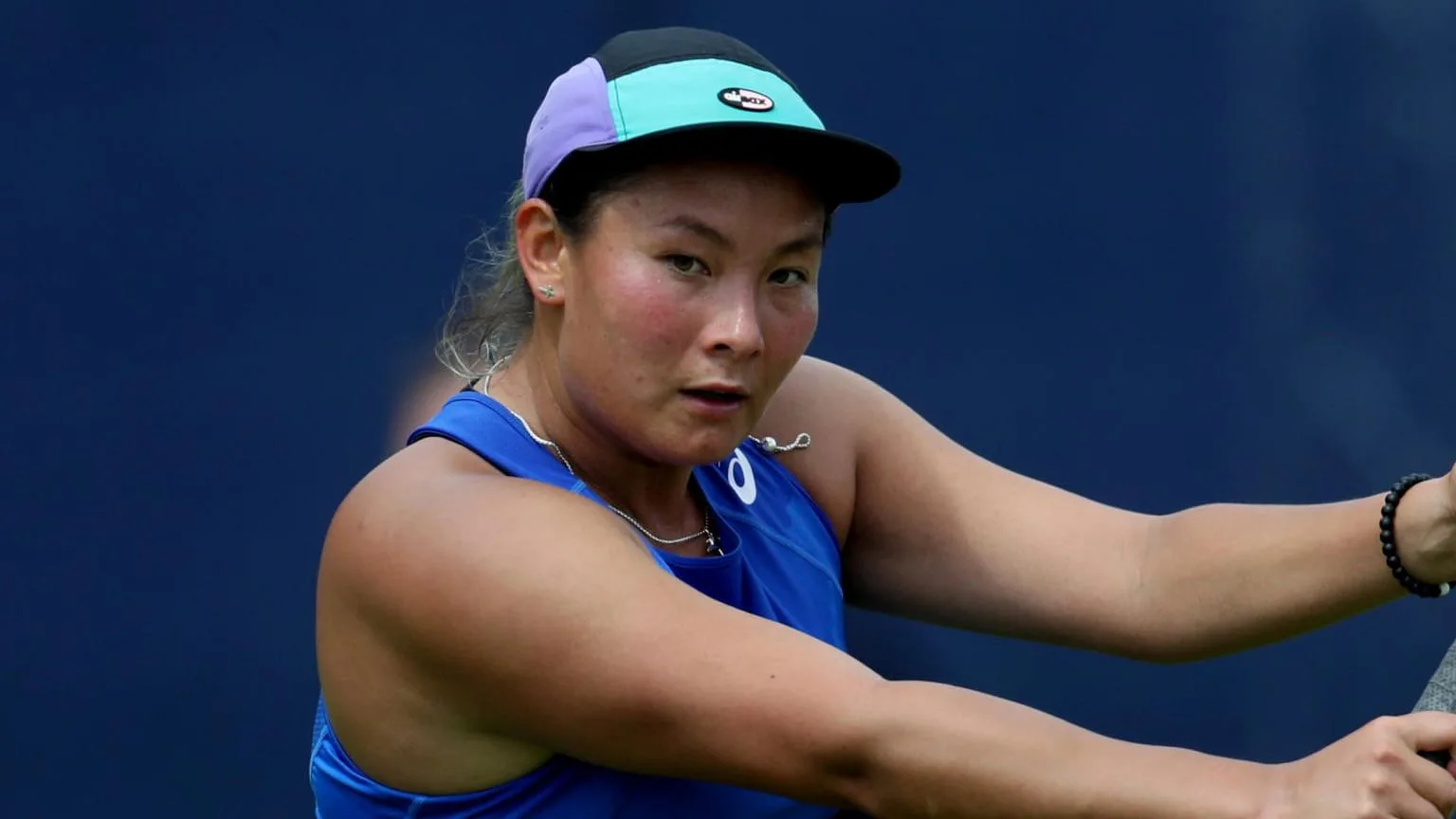
Former British No 1 doubles player Tara Moore has reportedly lost her £15million lawsuit against the WTA Tour after a federal judge dismissed the case.
Moore, whose doubles ranking peaked at No 77, is serving a four-year doping ban after testing positive for anabolic steroids Nandrolone metabolites and Boldenone. The Athletic reported that the 34-year-old argued the WTA failed to warn players about the risk of eating steroid-contaminated meat in Colombia, where her sample tested positive after a 250 event in Bogota in June 2022.
The case followed a lengthy dispute over the sanction. After the Court of Arbitration for Sport imposed the four-year ban, Moore challenged the decision through the WTA. The arbitrator ruled in favour of the tennis body, and Moore then turned to federal court in an effort to overturn that outcome.
According to the report, United States District Judge Andrew Carter found no legal basis for Moore’s claims that the arbitrator denied her a fair hearing or acted beyond their powers.
Moore has not publicly commented on the latest development. She is now a facility director at a Patrick Mouratoglou tennis centre, and 11 days ago she posted on social media about the broader issue. Moore shared an Instagram post from Spiked.Film, a project crowdfunding for a movie about the ‘cost of anti-doping’.
The post asked, “What happens when professional athletes get contaminated by something they believe is safe and test positive for banned substances?”
In July 2025, Moore described the anti-doping system as “broken”. She said then, “The last three-and-a-half years have broken me into so many pieces. As my family and friends have scrambled to pick up the broken shards of me, they’ve glued me back together in the form of a different person.”
Moore was provisionally suspended more than four years ago, then cleared 19 months later to return to competition after tennis’ anti-doping authority decided she bore “no fault or negligence”. That ruling was later appealed by the International Tennis Integrity Agency to CAS, where a panel concluded she had not sufficiently proved that meat contamination caused the nandrolone level in her sample.
Her ban now runs until December 2027, when she will be 35.
Anti-Doping
Kyrgios’ past comments on doping return as he faces a suspension of his own
Kyrgios’ old anti-doping remarks resurface as he accepts responsibility for a positive drug test.
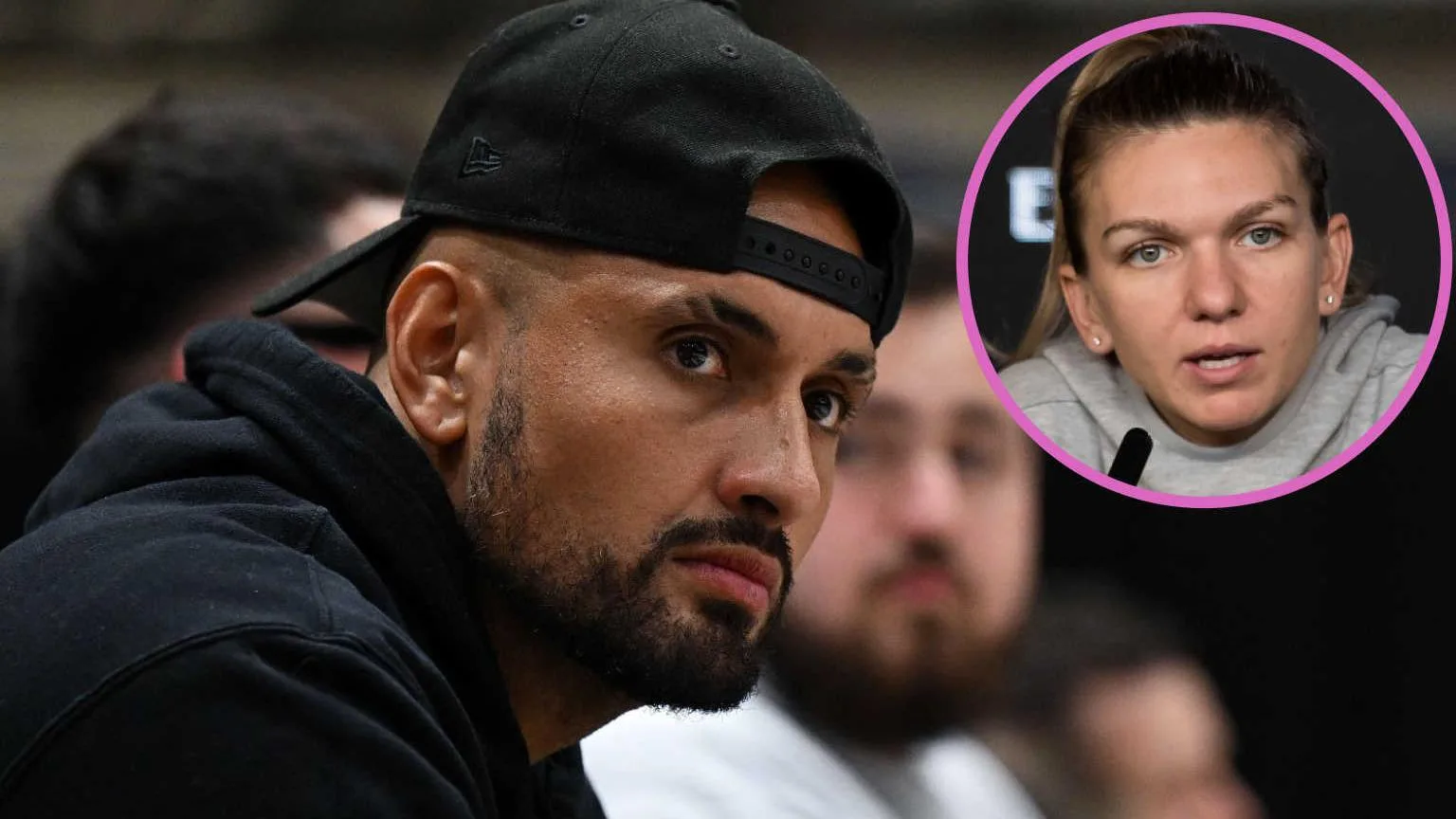
Nick Kyrgios has spent years speaking bluntly about doping cases in tennis, and those remarks now sit in stark contrast to his own situation.
The Australian was among the loudest critics when Simona Halep, Jannik Sinner and Iga Swiatek each failed drug tests in separate cases. Halep tested positive for roxadustat at the 2022 US Open, Sinner for clostebol in March 2024, and Swiatek for trimetazidine in August 2024.
After Halep received a four-year ban in September 2023, Kyrgios responded on social media with the line: “I’d imagine if I was taking similar things to be banned for 4 years I’d have about 5 slams.” He also took aim at Maria Sakkari when she described the app used by the World Ant-Doping Agency to confirm players’ whereabouts as “horrible”.
Kyrgios replied in familiar fashion: “Ehhhh not really lol, I run on bananas and coke cola [sic] in 5 set battles,” he wrote on X. “And my record in them speaks for itself. Maybe players should just stop taking shady sh*t look yourself in the mirror at the end of the day and say yep I did it right. Not hard.”
He later accused Swiatek of making excuses and was especially severe on Sinner, writing: “Ridiculous. Whether it was accidental or planned. You get tested twice with a banned (steroid) substance… you should be gone for 2 years. Your performance was enhanced. Massage cream… yeah nice.”
Nearly two years later, Kyrgios has been provisionally suspended for four years after testing positive for benzoylecgonine, a cocaine metabolite, from a sample taken during the Mallorca Championships in June.
Halep, meanwhile, chose not to attack him. Instead, she posted a message on Instagram that did not name him directly: “Never kick someone when they’re down,” she wrote. “Life has a strange way of changing positions. And an even stranger way of revealing the difference between an accident and a choice.”
Kyrgios accepted responsibility in a statement on social media. “I recently failed a drug test in Mallorca after testing positive for cocaine,” he wrote. “I made a huge mistake and I take full responsibility for it.
“I’m sorry to my fans, my family, my sponsors and everyone close to me. Above all, I’m sorry to the kids who follow me. I know the example this sets and I’m deeply disappointed in myself.”
Anti-Doping Grass season HSBC Championships
Serena Williams returns to the WTA and the GLP-1 conversation follows
Serena Williams returns at Queen’s, sparking renewed scrutiny over GLP-1 use and sport policy.
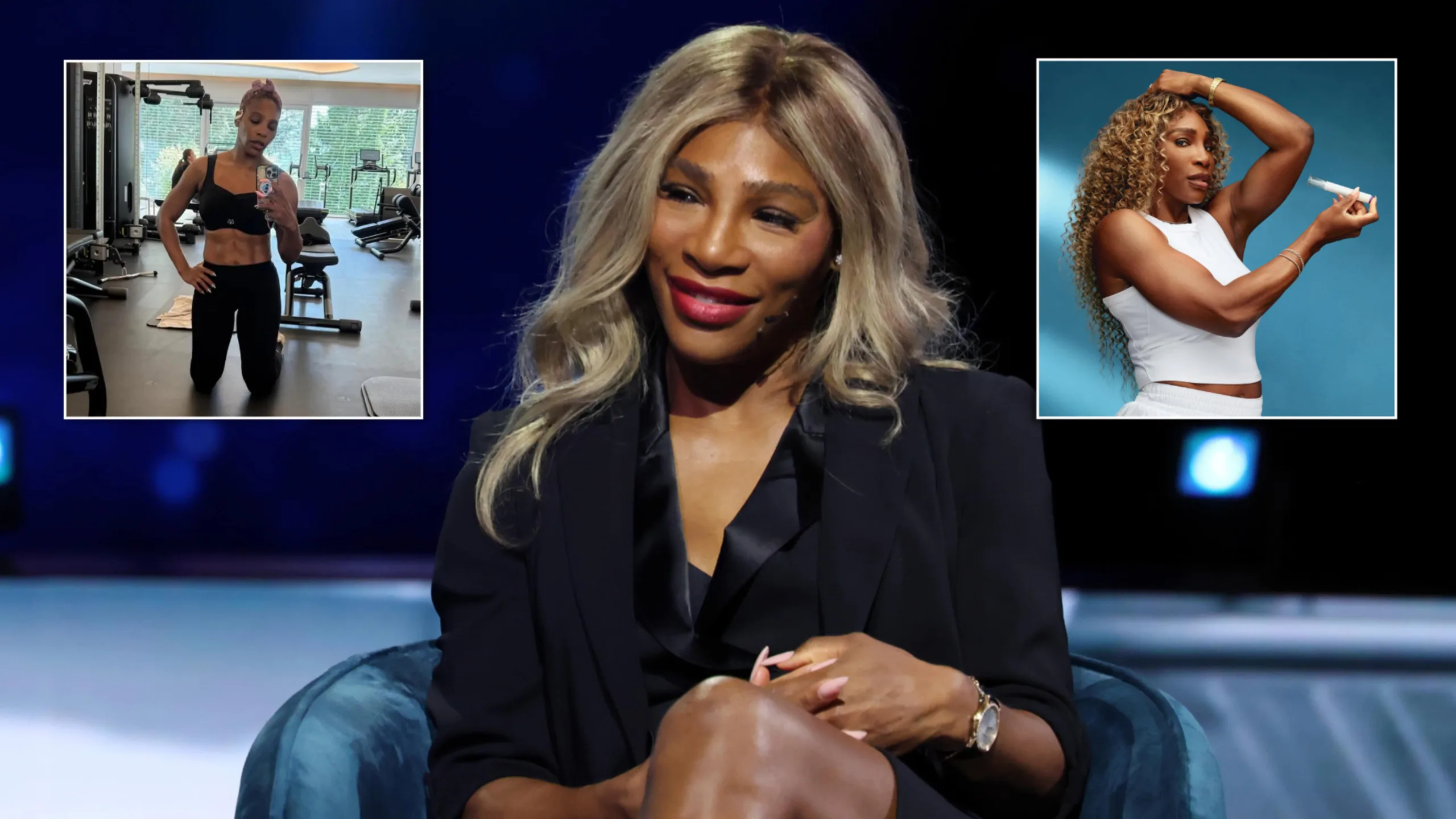
Serena Williams will rejoin the WTA Tour at the HSBC Championships in Queen’s Club, ending a four-year competitive absence since her farewell at the US Open. Her comeback arrives amid a public profile that now includes business ventures and major endorsement work, most notably a multi-year partnership with Ro, the telehealth company offering GLP-1 treatments.
Williams has been open about using Zepbound (tirzepatide) through Ro’s program and has credited the drug with substantial health changes since stepping away from the tour. “Some of my health stats are even better than they were when I was playing tennis professionally, if you can imagine that!” she said. She has reported a 34-pound weight loss after one year on Zepbound, steadier blood sugar, reduced cardiovascular risk and a 30 percent improvement in total cholesterol. In a Ro video she added, “There’s less stress on my knees, so I can pull off moves that I could, quite frankly, never do before,” and “Plus I just have so much more energy now to show up for my kids, for my family and just for my life in general.”
Williams also discussed the decision in Vogue. “I’ve heard negative comments, along with a tremendous amount of positive comments, about my body my entire life,” she told Vogue’s Margaux Anbouba. “For lack of a better way to say it, I don’t really care what people are saying about my body anymore. But what is important to me is transparency…
“It was so hard after I had (my first daughter) Olympia. I was literally on the court every day, doing nothing else. I had been the ultimate super-athlete… but I could never get back to where I needed to be, no matter what I did.
“My whole life is being in the gym… I would always get to a certain point on the scale, but I could never get below that. That’s when I decided that it was time to try something different and got on the GLP-1 with Ro.”
Ro says its patients lose an average of 14–20 percent of body weight after a year, with total cholesterol improving by about 4.8 percent. The company names Williams a paid partner and discloses a family investment; her husband, venture capitalist and Reddit co-founder Alexis Ohanian, is an investor and sits on Ro’s board. Williams also starred in Ro’s “Healthier on Ro” campaign during Super Bowl LX.
For sport governance, WADA currently permits semaglutides and tirzepatides but placed semaglutide on its Monitoring Program in 2024 and tirzepatide in 2025. That program tracks usage trends and potential risks and may lead to future review. Evidence does not show GLP-1s directly enhance performance in healthy, non-diabetic athletes, though concerns remain for weight-sensitive sports. Possible drawbacks include appetite suppression, difficulty meeting fueling needs, and slower gastric emptying that can complicate pre-match nutrition, endurance and recovery.

Zverev Arrives at Laver Cup With Europe’s Title Bid in Focus

Alex Eala opens Singapore challenge against Prozorova as ranking gains loom

Zverev’s breakthrough season rewrites a long-running story

Raducanu Arrives at US Open With Momentum After Strong Hard‑Court Swing

Maestrelli Triumphs in Bergamo, Claims Challenger Title and Career‑High Ranking