1000 Player News Qatar TotalEnergies Open
Sabalenka, Swiatek withdrawals highlight players managing the tight Middle East swing
Top players skip Dubai as quick Middle East swing, tight turnarounds drive schedule choices. in 2026

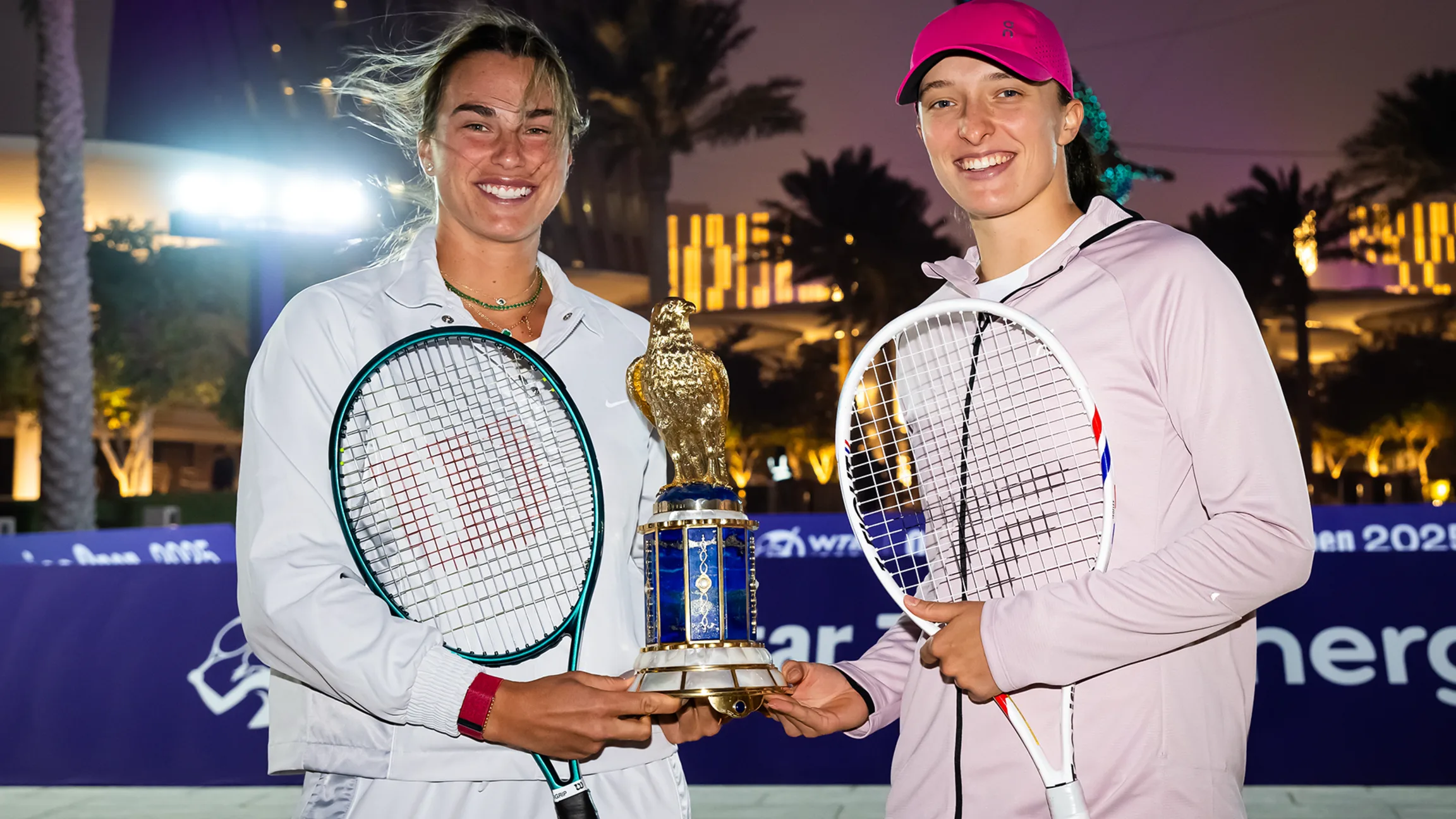
Top players’ absences from Dubai and players’ comments in Doha underlined a growing strategy to manage back-to-back WTA 1000 events.
Maria Sakkari, fresh from a semifinal loss to Karolina Muchova, made no secret of how little energy she had for the next tournament. “Right now, I have no energy at all,” joked Maria Sakkari after a semifinal defeat to Karolina Muchova in Doha. “I need food. I need fuel.” Unseeded in both draws and a former world No. 3, Sakkari said she will travel from Doha to the Dubai Duty Free Tennis Championships on Sunday and, mindful of the quick turnaround, added, “I hope the supervisor puts me on Monday.”
The world’s top two players announced withdrawals from Dubai on Sunday afternoon. “Unfortunately, I am not feeling 100 per cent,” Sabalenka said in a statement. “I hope I will come back next year to experience the great tournament,” Swiatek said after her quarterfinal exit in Doha, the Pole citing a “change in schedule” as her reason for withdrawing. Sabalenka has skipped four of the last six WTA 1000 tournaments, while Swiatek has generally played a fuller schedule since first becoming world No. 1 in 2022.
Sakkari reflected on those choices: “I think, on their level, I mean, it’s the No. 1 and No. 2 in the world, they can basically be more selective with what they play,” mused Sakkari, who wasn’t aware of their absences. “I don’t know if it’s injury or fatigue related, but probably they thought that it’s the right thing to do for them.” She also described her own planning: “We decided that we’re going to play a more reduced calendar,” and added, “Not that that means that I’m going to play 10, 12 tournaments a year, but we’re not going to chase stupidly points and tournaments.”
Jelena Ostapenko, who lost in the Doha semifinals to Victoria Mboko and who played both singles and doubles, asked the media to keep questions short and warned of the schedule: “It’s a very quick turnaround because, even like last year making the finals here, this year playing semis, you cannot really enjoy it, because you have like one day, like the maximum one day just to, you know, to relax a bit and then you have to be in a game mode again,” “It’s a very quick turnaround for a 1000 event.”
Nineteen-year-old Victoria Mboko, the Doha finalist, stressed training and recovery: “I think training plays a big part, the way you train, putting a lot of emphasis on fitness,” and said, “But yeah, I think just, from a recovery standpoint and doing good physio, having good fitness and good routines help you kind of last longer in that sense. I’m trying to improve that in a way. I mean, we’re always focused on it, but I think it’s important to also prioritize everything else off court that’s not related to tennis.”




1000
Alex Eala opens Singapore challenge against Prozorova as ranking gains loom
Eala begins in Singapore against Prozorova, with ranking gains and a clearer draw within reach.
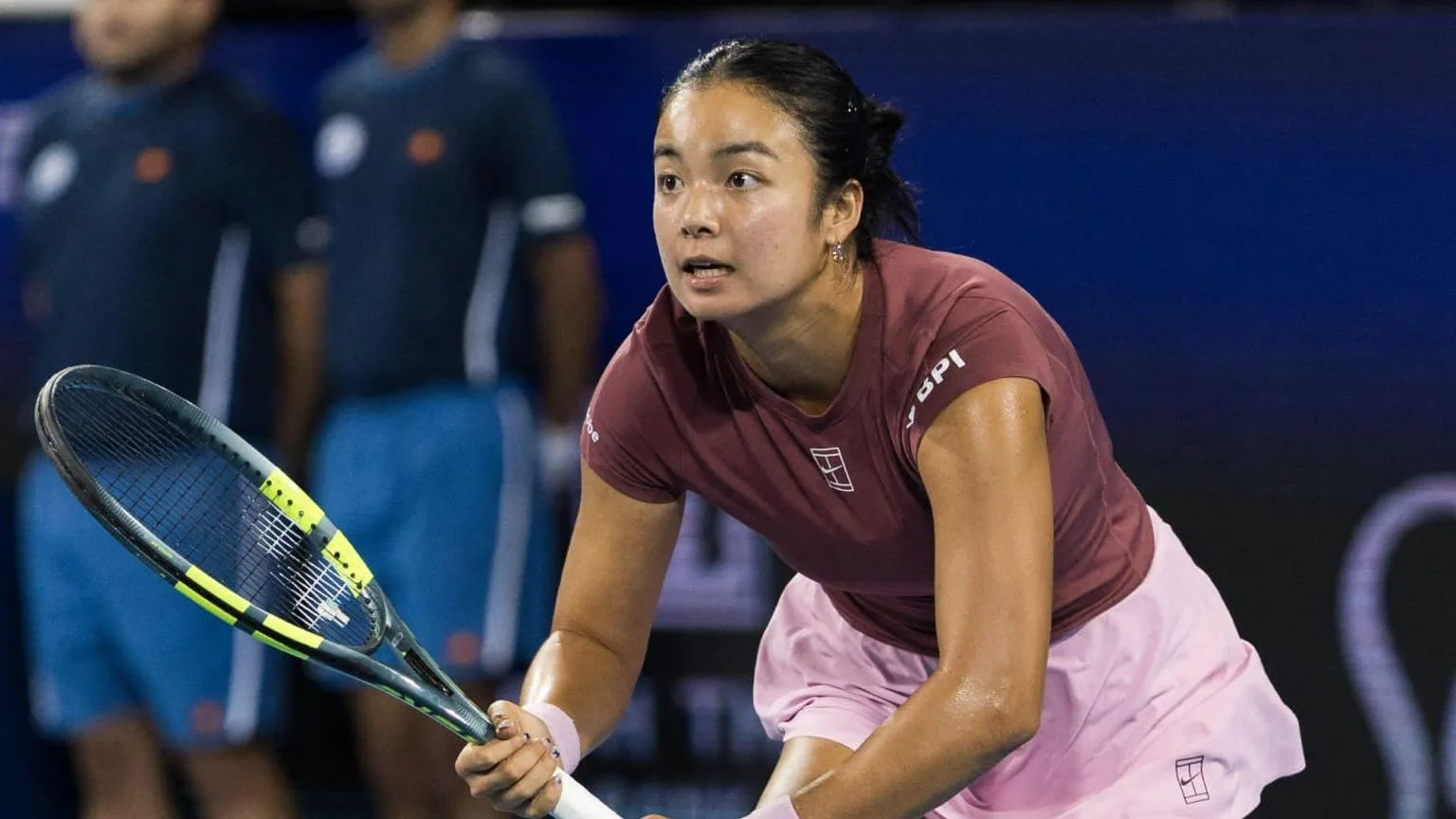
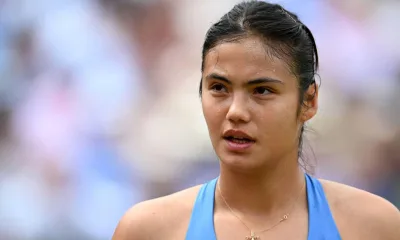
Alex Eala will start her Singapore Open run against Tatiana Prozorova in the second round, with her first match since a tense three-set defeat to Iva Jovic in the third round of the US Open on 6 September.
On paper, the route to the WTA 500 final has become slightly less demanding. Eighth seed Donna Vekic fell in the opening round, while second seed Amanda Anisimova withdrew at the last moment because of a wrist injury. Eala had been projected to meet the American, who beat her in three sets in Cincinnati last month, in the semi-finals. If Eala goes all the way to the final, the only seed she can potentially face before that stage is seventh seed Maria Sakkari.
Interest in her return is growing, especially from supporters who will have the chance to follow her much closer to home. Tournament director Yazed Osman has welcomed that attention and was clear about Eala’s wider appeal.
She said, “The Eala story is not only unique to the Philippines, but also with the tennis fraternity globally. She played her first few games here in the WTA during the WTA Finals. We have the Future Stars program, and she won that tournament when she was 12 years old. And the family shared that they remembered the OCBC Arena, and the courts where she stayed and so on.
“And then last year she also featured in the Singapore Tennis Open 250, and now this 500. So her journey itself has been an inspiration to the tennis community, and I think the region is actually coming here and feeling very excited to see her perform at the highest level.”
According to the tournament website, Eala will face world No 180 Prozorova on Thursday, 24 September. She is scheduled as the fourth match on Centre Court, with the round-of-16 meeting set for no earlier than 6.30pm local time, 11.30am GMT/BST.
Eala will be on court after Joanna Garland meets Xin Wang and before Sakkari faces Nao Hibino.
A win would move her ahead of Naomi Osaka to 17th in the rankings, while lifting the title would take her to a career-high 14. With many rivals absent from WTA Tour action this week, the Singapore event offers Eala a clear chance to improve her position before the Asian Cup.
1000
Anisimova exits Singapore Open as WTA schedule pressure builds
Anisimova withdraws from Singapore Open and now faces WTA schedule and ranking pressure.
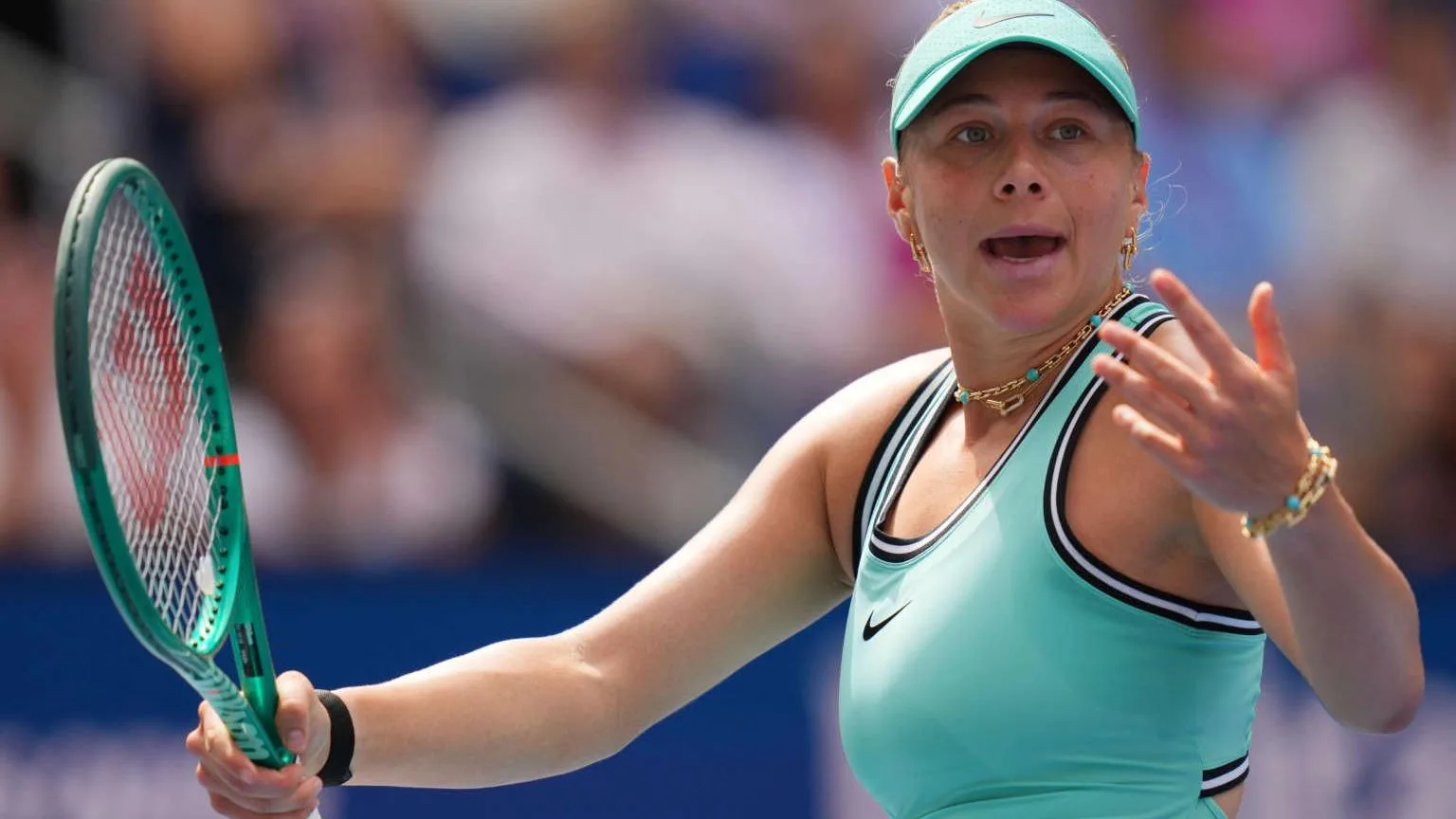
Amanda Anisimova has pulled out of the Singapore Open just before she was due to play her opening match. The American was scheduled to face Talia Gibson in the round of 16 at the WTA 500 event, but a left wrist injury has forced her to withdraw.
Her place in the draw has gone to lucky loser Viktoria Morvayova, who moves directly into the second round of the WTA Tour Asian tournament.
The immediate concern is the injury, but the withdrawal also leaves Anisimova facing possible consequences tied to her 2026 schedule. She has played a relatively light season so far, appearing in only 12 tournaments. Within that total, she has featured in just two WTA 500 events, one short of the mandatory three every female player is required to complete across the season.
She has played only the Brisbane International and Queen’s before Singapore this year, meaning the Singapore Open would have been her third tournament of that level. Now, with the event out of reach, she risks a fine if she does not add another WTA 500 appearance before the year ends.
There are only two tournaments left after Singapore, the Ningbo Open and the Pan Pacific Open, both set for October during the WTA Tour’s Asian swing. Anisimova has never played either event, so neither has been an obvious priority in her career. In 2026, though, one of them may become necessary.
If she skips both, she could face a point deduction or a monetary fine. That possibility sits alongside her hopes of reaching the WTA Finals, where she still has an outside chance of qualifying. She is currently 21st in the live Race for the WTA Finals standings, well outside the top eight spots that secure entry.
That leaves her with a decision that may shape the rest of her season. She could choose to play both WTA 500 tournaments in search of ranking points, while also trying to avoid any sanction. She will also be aiming to keep her WTA Finals hopes alive, especially with the event taking place on home soil at Indian Wells for the first time.
1000
Eala’s Asian Games decision puts WTA rule debate in focus
Eala’s Asian Games choice has triggered a possible WTA fine and strong criticism from former players.
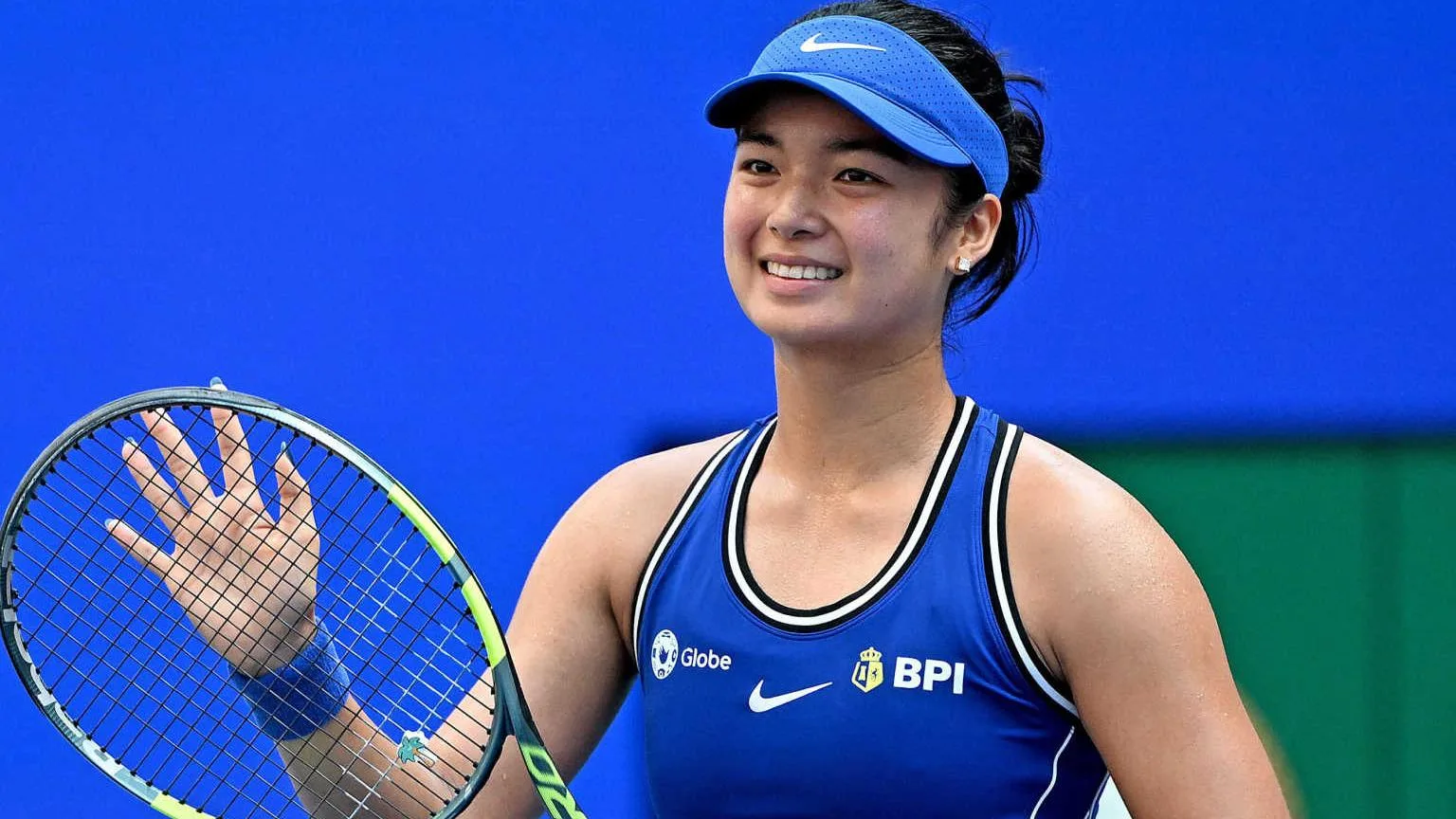
Alex Eala’s choice to compete at the 2026 Asian Games has sparked debate because it conflicts with the penultimate Masters event on the WTA calendar. Her decision means she will miss the China Open while trying to deliver gold for the Philippines.
Under WTA rules, players are expected to contest every Masters event unless they are injured, so Eala could face a fine from the governing body. She requested an exemption, but that appeal was turned down, leaving open the possibility of a sanction for one of the tour’s most followed players.
That prospect has drawn strong criticism from Steve Johnson, John Isner, and Sam Querrey, who argued that punishing Eala would be a mistake. “1000% she should play [the Asian Games], said Johnson on Nothing Major. “If the WTA fine her, that is the dumbest thing that they could do. Do not fine her.
“I know that they have not made exceptions in the past for certain players, but there is different rules for everyone. I hate to say it, but there just is.”
Isner added: “I’m with you. They should waive the fine. Her ranking is going to dip by virtue of not playing.”
Querrey was equally direct.
“They also need stars and she is one of the biggest,” he explained. “They have a lot of leverage going into an individual sport. If she goes ‘if you guys fine me, I will skip more tournaments’.
“Let’s see how it goes [if she says] I will skip the other tournaments in Asia, where she is going to be the biggest star.”
The issue is complicated further by the fact that several leading Chinese players, including Wang Xinyu, have chosen the China Open over the Asian Games.
Still, Eala has become one of the WTA Tour’s biggest draws in 2026. She has filled stadiums at the Australian Open and during the Middle Eastern swing, where long queues formed outside venues for her matches. She also stood out on the North American hardcourt swing, capped by her first WTA Tour title at the Washington Open.
Against that backdrop, many will see a fine as a poor decision, especially if it risks alienating a player whose matches continue to attract large crowds and strong support.

Zverev Arrives at Laver Cup With Europe’s Title Bid in Focus

Alex Eala opens Singapore challenge against Prozorova as ranking gains loom

Zverev’s breakthrough season rewrites a long-running story

Raducanu Arrives at US Open With Momentum After Strong Hard‑Court Swing

Maestrelli Triumphs in Bergamo, Claims Challenger Title and Career‑High Ranking