
ATP Grand Slam Wimbledon
Wimbledon to introduce video review on six courts for 2026
Wimbledon will introduce video review on six courts in 2026 and add visual out and fault signs. Also

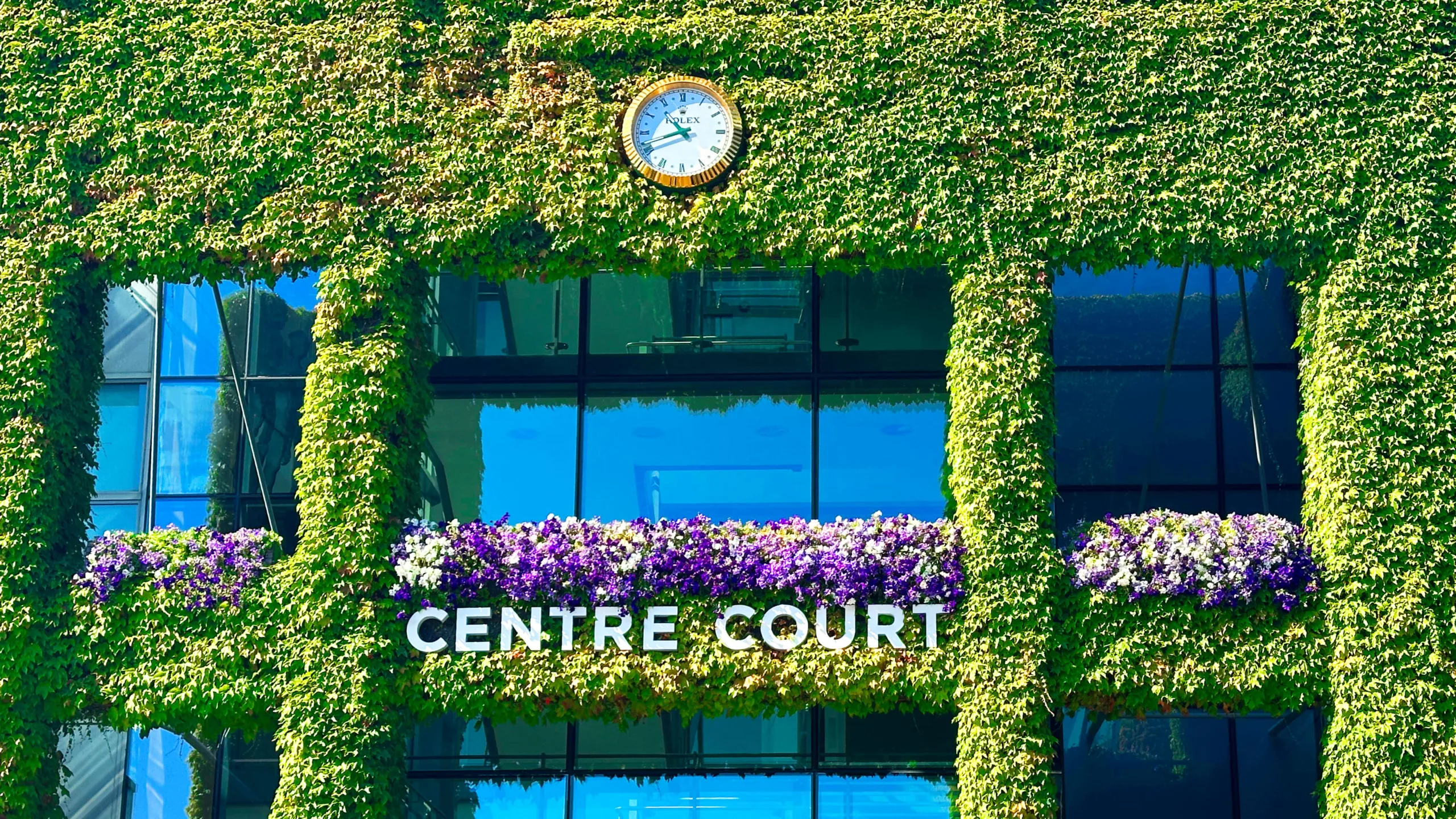
The All England Club confirmed that video review will be available on six courts at Wimbledon in 2026. The announcement came on Saturday during a media briefing 100 days from the start of the event.
Review capability will be installed on Centre Court, No. 1 Court and four additional show courts: No. 2 Court, No. 3 Court, Court 12 and Court 18. Players will have unlimited opportunities to challenge specific chair-umpire decisions. The system will allow reviews of whether a ball bounced touched, whether a player touched the net, and other rulings either on a point-ending call when a player immediately stops play, or immediately after the completion of a point in the case of hindrance.
Video review is distinct from electronic line-calling, which Wimbledon adopted in 2025 to replace line umpires. That change proved controversial at times; the tournament later blamed “operator error” when a ball hit well long by Brit Sonay Kartal was not called against Anastasia Pavlyuchenkova, and another point required a replay because of a system failure during a quarterfinal match between Taylor Fritz and Karen Khachanov.
The technology first appeared at a Grand Slam at the 2023 US Open and was used at the Australian Open in 2025. The ATP Tour rolled out video review at all Masters 1000 events last year after deploying it at the NextGen ATP Finals since 2018 and at the year-end ATP Finals since 2020.
In addition to introducing video review on six courts, Wimbledon will add a visual indication on scoreboards when a ball is out or a serve is a fault, supplementing the audible call.





ATP Masters Miami Open
The Big T Episode 13: Golden Glizzy, Swiatek’s split, Fonseca’s tests and Jovic’s climb
Episode 13 of The Big T examines Miami highlights: Golden Glizzy, Swiatek split, Fonseca and Jovic..
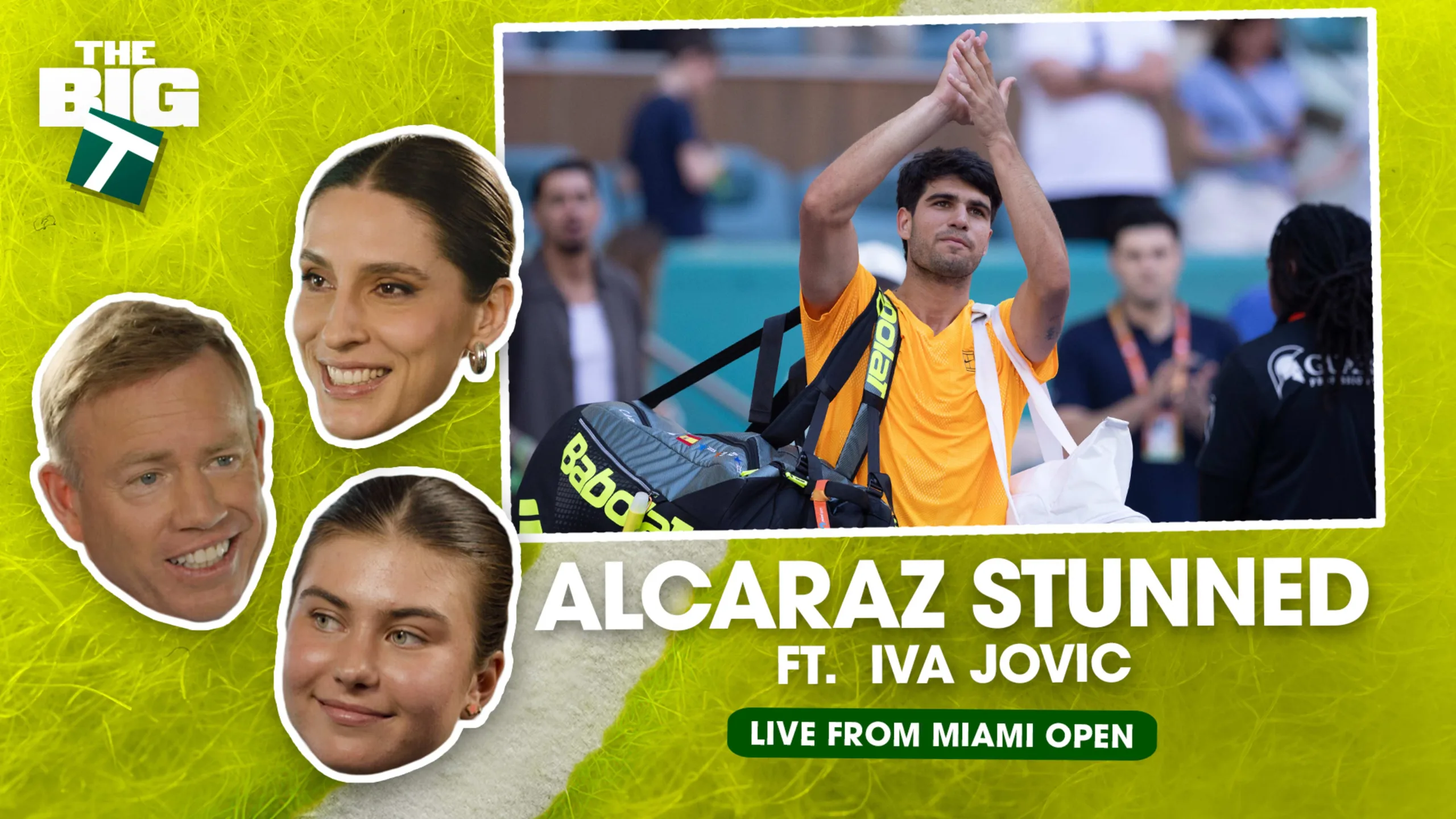
Episode 13 of The Big T podcast turned its attention to a wide range of Miami Open talk, from an extravagant concession item to shifts in the top ranks and the progress of emerging players.
First, the culinary curiosity. For $100, fans could buy an Australian Wagyu sausage topped with crème fraîche, Golden Goat Caviar and edible gold flakes, a creation dubbed the Golden Glizzy. Hosts Andrea Petkovic and Mark Petchey weighed in on the dish and the tournament atmosphere in the episode.
On the women’s side, the conversation focused on Iga Swiatek. Less than a year after claiming her first Wimbledon title with a 6-0, 6-0 final, Swiatek has split with coach Wim Fissette. The six-time Grand Slam champion is 13-9 in her last 22 matches and has not reached a semifinal since last September in Seoul. Her opening-round loss to compatriot Magda Linette in Miami appeared to prompt the change.
Petkovic reflected on that decision in the episode: “Sometimes, I’m connected to witchcraft,” she began, “because I predicted last year that Iga was going to win Wimbledon … and last year I was on a show in Germany, and they asked me to give my hottest take about tennis. And I said I think Wim Fissette and Iga Swiatek will not make it through Indian Wells-Miami.
“It was just an intuition that came upon me.”
Joao Fonseca’s two straight-set losses to Jannik Sinner (7-6, 7-6 at Indian Wells) and Carlos Alcaraz (6-4, 6-4 in Miami) were framed as valuable tests for the 19-year-old. Petkovic said, “That is the ideal scenario for a young guy like him,” Petkovic says of the 19-year-old. “He can now go back home, look at the tape of the matches and say, this is where they are still better, or this is what I still need to work on—and come on the clay and absolutely crush.”
Petchey added context and a note of caution: “This was a great learning curve, for him to play those two stars,” Petchey agreed. He also warned Fonseca’s many fanatics with another comment: “I still feel as though we need to temper our enthusiasm, of how quickly he may be in the world’s Top 10, and really in amongst it against Carlos and Jannik. I think it’s going to take 18 months to two years before he’s comfortably feeling—particularly in a best-of-five—that he’s got a realistic shot of winning.”
The episode also highlighted 18-year-old Iva Jovic, who rose from No. 191 at the 2025 Australian Open by winning the USTA Wild Card Playoff and later reached the Australian Open quarterfinals, moving into the Top 20. Jovic said simply, “I love talking, in general,” says another teenage tennis sensation, Iva Jovic. She reflected on travel and growth: “I’ve done a lot of great training, and played some tough matches after Australia, but I think I learned a lot from it. I’m happy with where I’m at.” She added a candid note about life off court: “I’m a little bit clumsy, and all over the place outside of the court,” she admitted. “I lose everything, that’s my thing—I can’t keep track of my things. I oversleep sometimes, I’ve overslept on match days!
“Hopefully one day, I can be as responsible and mature as I sound.”
Episode 13 is available on major streaming platforms for listeners who want the full discussion and extra segments.
1000 ATP Miami Open
Miami Open Preview: Pegula vs. Rybakina and two close quarterfinal tests
Pegula and Rybakina meet again in Miami; we also assess Paul-Fils and Lehecka-Landaluce. Read picks!
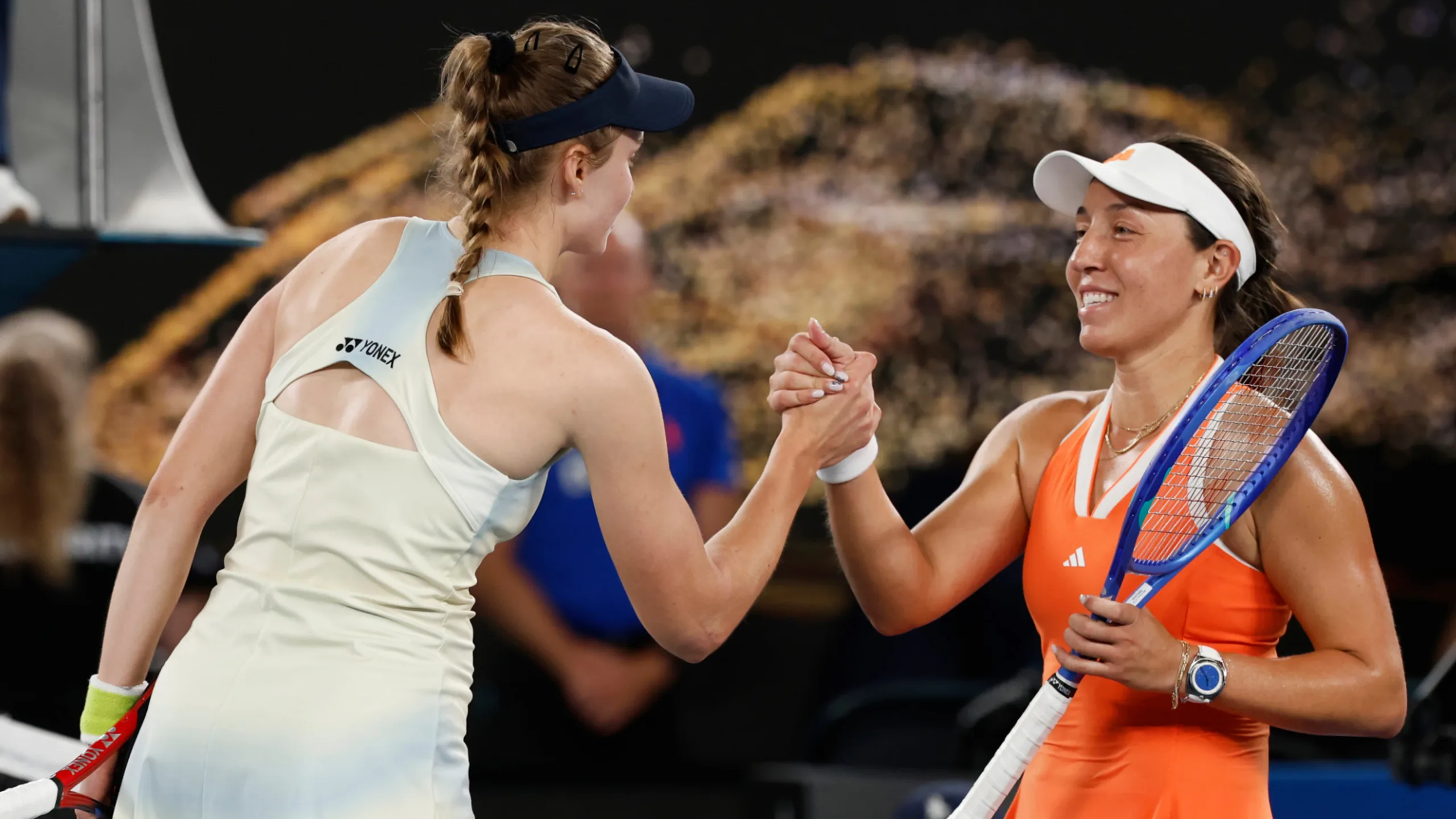
The Miami Open brings another chapter in the recent rivalry between Elena Rybakina and Jessica Pegula. The pair have met at the Billie Jean King Cup, the WTA Finals, the Australian Open, Indian Wells and now Miami, with Rybakina holding a 4-0 edge in those meetings. Pegula has challenged her, taking sets and pushing tiebreaks, but Rybakina’s serve and court craft have remained decisive.
Both women arrive in Miami unbeaten in three matches and comfortable on the courts. Rybakina reached the final here in 2023 and 2024; Pegula made the final in 2025. One variable that could matter is the start time: the match is scheduled for 1:00 P.M., when conditions are expected to be warmer and quicker. Pegula prefers quick conditions and has not had them in recent meetings with Rybakina, which came at night in Melbourne and on the slower Indian Wells courts. That switch could help the American and add a few miles per hour to her game. Winner: Pegula
The bottom half of the ATP draw has produced intriguing quarterfinals. Martin Landaluce, a 20-year-old product of the Rafa Nadal Academy and the 2022 US Open boys champion, has been one of Miami’s breakthrough players. Counting qualifiers, he has won six matches here, three in three sets, and in his last match he recovered from a 6-2 first-set deficit to beat Sebastian Korda and saved a match point en route.
Landaluce meets Jiri Lehecka for the first time. Both play with efficient, easy power; Landaluce has momentum, while Lehecka, the 22nd-ranked veteran, has just beaten Taylor Fritz in his best match of the season. Fuel and composure are the deciding factors. Winner: Lehecka
Tommy Paul and Arthur Fils present another difficult call. The players are close in the rankings, with Paul 23rd and Fils 31st. Both are athletic, strike the ball well and have shown solid form this season — Paul at 14-6 and Fils 12-4 as he returns from a lengthy layoff. In Miami each survived at least one three-set match. Paul will have a home crowd and the evening conditions, while Fils is still rebuilding his rhythm. This one is a coin flip.
ATP Masters Miami Open
Nadal urges calm after Alcaraz’s Miami Open exit
Nadal: Alcaraz’s Miami loss is not cause for alarm after his Australian Open and Doha form in 2026.
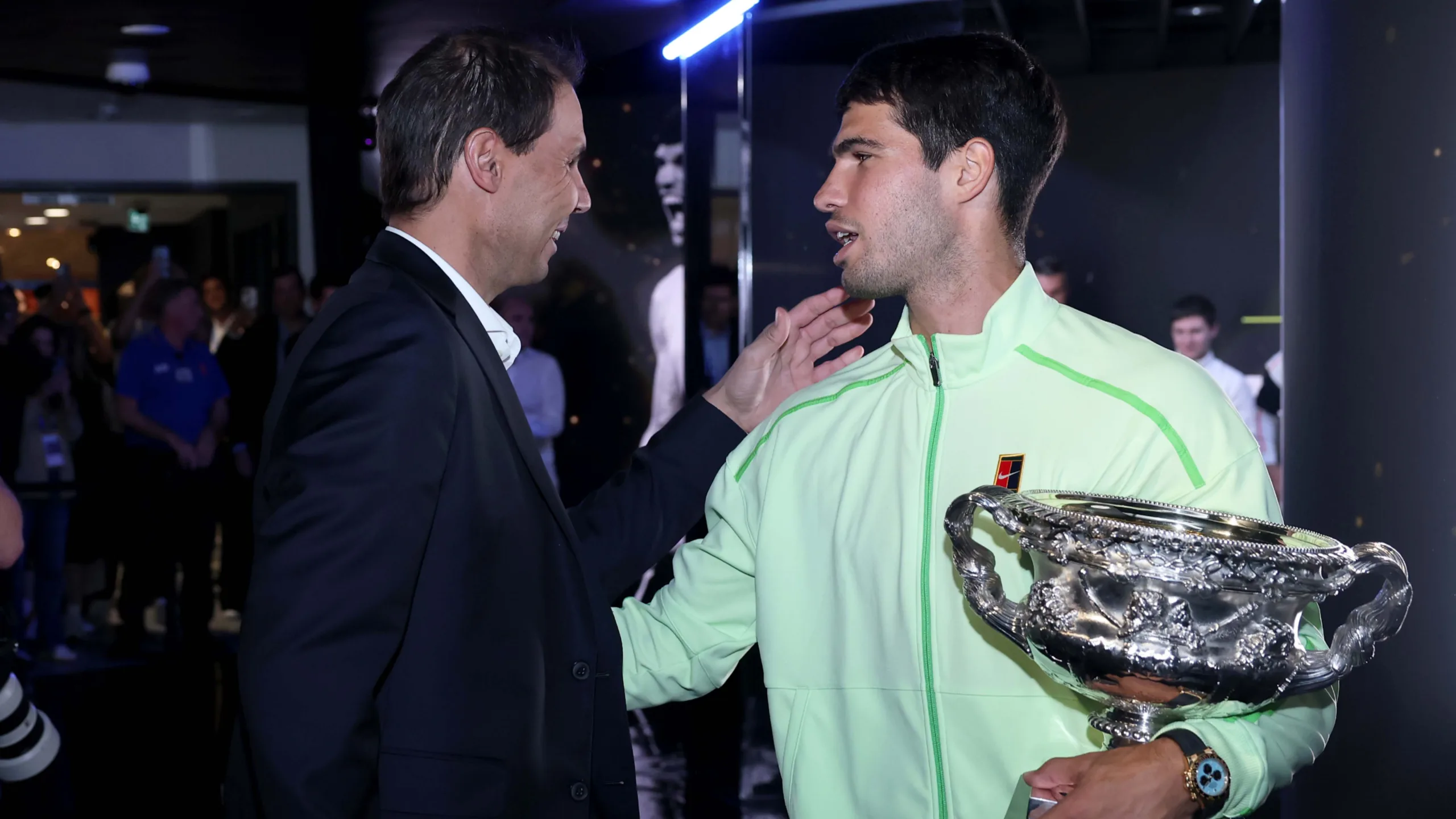
Carlos Alcaraz’s third-round loss to Sebastian Korda at the Miami Open prompted questions about the Spaniard’s form, but Rafael Nadal dismissed the idea that the result signals a crisis.
The 22-year-old bowed out in Miami for the second year running. His 2026 record stands at 17–2, yet Nadal told reporters in Madrid on Tuesday that criticism is exaggerated. “I mean, when he’s just come off winning the Australian Open, he’s won seven Grand Slams, he’s No. 1 in the world… So, what? Is he supposed to win all of the matches of the year?” Nadal told press. “That’s never going to happen. So there’s your answer.”
Alcaraz’s Sunshine Swing had mixed results. He reached the semifinals in Indian Wells before being upset by No. 11 seed Daniil Medvedev. In Miami he won one match, a high-profile victory over Joao Fonseca, then fell in three sets to No. 32 Sebastian Korda, a result described as the American’s biggest career win.
Nadal argued that a title-less March should not erase Alcaraz’s achievements earlier in the season. The Spaniard captured the Australian Open, becoming the youngest man to complete the Career Grand Slam, won an ATP 500 title in Doha, retained the world No. 1 ranking and extended a 16-match unbeaten run that ended at Indian Wells. “Are we really going to worry about two defeats? I don’t think so,” Nadal said. “That doesn’t make sense, and we shouldn’t demand more from him.”
Nadal, who received an honorary doctorate for excellence in sport from the Universidad Politécnica de Madrid, reflected on the pressures placed on young players in Spain and urged perspective. “I think what we all have to do is just congratulate Carlos and thank him for everything that he’s accomplishing,” he said. “In the end, he’s bringing a number of achievements to Spanish sport that, maybe 25 or 30 years ago, we wouldn’t have imagined…
“Maybe we’ve all gotten too used to it. But I’ve never lost perspective on how difficult the things are that Carlos is doing—or any athlete from Spain, or any other country.”

The Big T Episode 13: Golden Glizzy, Swiatek’s split, Fonseca’s tests and Jovic’s climb

Wimbledon to introduce video review on six courts for 2026

Miami Open Preview: Pegula vs. Rybakina and two close quarterfinal tests

Alcaraz Confronts On‑court Microphones During US Open Practice Ahead of Opelka Match

Raducanu Arrives at US Open With Momentum After Strong Hard‑Court Swing

Cervara: Ending an eight‑year partnership with Medvedev was necessary to change the energy
-
 ATPAustralian OpenGrand Slam2 months ago
Medvedev says he will not underestimate Learner Tien as their Australian Open rivalry resumes
-
 ATPAustralian OpenGrand Slam2 months ago
Offseason Focus: How Eliot Spizzirri’s Boca Raton block set up his Australian Open breakthrough
-
 ATPBetter Buzz Coffee San Diego OpenChallenger Tour2 months ago
Sebastian Korda returns to Challenger level in San Diego as he rebuilds after stop-and-go seasons