
500
Sabalenka Withdraws from Stuttgart After Injury Sustained Following Miami Win
Aryna Sabalenka withdrew from Stuttgart with an injury sustained after her Miami Open victory today.

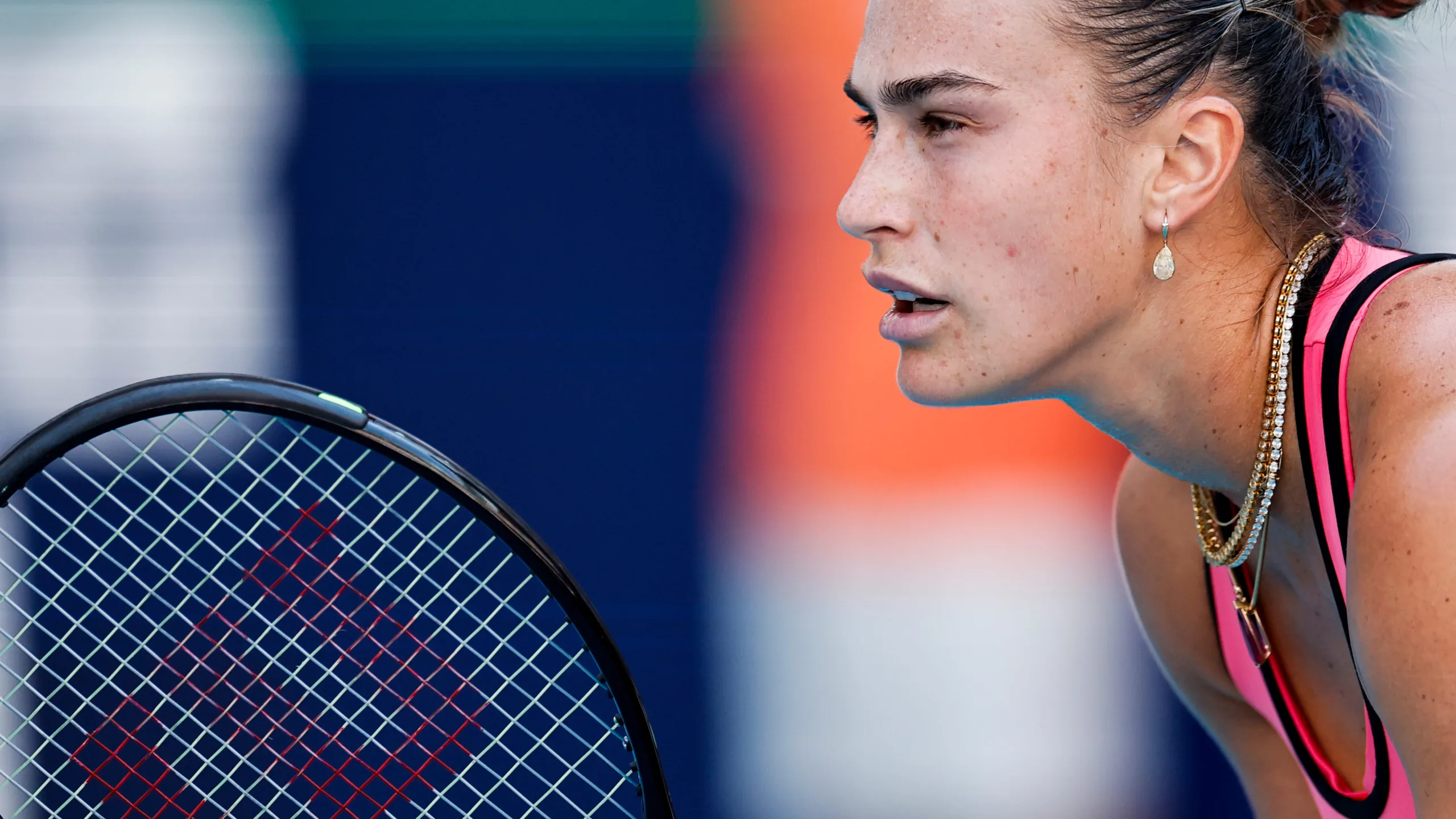
World No. 1 Aryna Sabalenka has withdrawn from next week’s Porsche Tennis Grand Prix in Stuttgart because of an injury she said was sustained after the Miami Open.
A four-time finalist in Stuttgart, Sabalenka did not disclose the exact nature of the problem when she announced her withdrawal on Thursday. She noted the injury followed her 6-4, 2-6, 6-3 victory over Coco Gauff in the Miami Open final on March 28, a result that made her the fifth woman in the Open Era to win Indian Wells and Miami back-to-back.
Sabalenka said she was “very sad” to miss the loaded WTA 500 event in a statement posted to her Instagram story on Thursday.
“I always love coming back to Stuttgart. The atmosphere, the fans, and the support I feel there are so special to me,” she wrote. “And of course, I was really hoping to have another chance to fight for that Porsche.”
“Even though I tried everything to recover in time, I’m not ready to compete,” she added. “I’m really sorry to miss this amazing tournament. Wishing everyone a great week in Stuttgart, and I hope to see you all again very soon.”
With Sabalenka out, world No. 2 Elena Rybakina will now top a still-strong field. The tournament entry list also includes Top 10 players Coco Gauff, Iga Swiatek, Jasmine Paolini, Elina Svitolina and Mirra Andreeva.
Organizers and fans lose a leading contender and a player who has come close to the title on four occasions. Sabalenka’s decision removes one of the highest-ranked participants from the draw and hands Rybakina the position of the top seed going into the clay-court WTA 500 event.





500 Linz
Ostapenko confronts heckler, rallies to beat Alexandra Eala at Linz
Ostapenko silenced a heckler, rallied to beat Alexandra Eala 6-4, 7-5 at Linz, firing 41 winners…
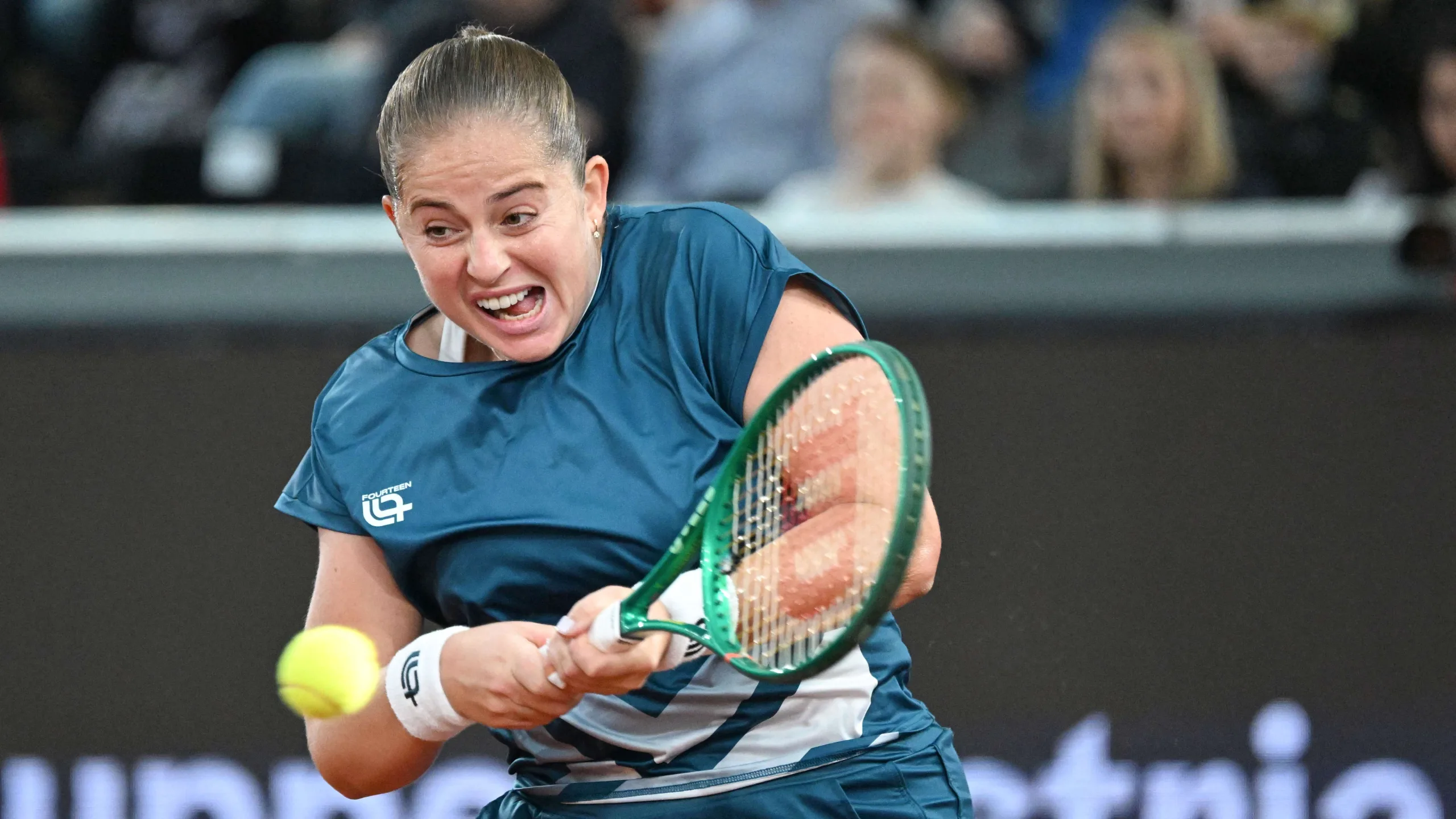
Jelena Ostapenko combined power and blunt on-court confrontation to steady a wobble and defeat Alexandra Eala 6-4, 7-5 in the first clay-court match of her season at the Upper Austria Ladies Linz. The fourth-seeded Latvian struck 41 winners and turned a dangerous second-set deficit into a straight-sets victory.
Ostapenko led after the opening set but trailed 4-0 in the second when she stopped and addressed a vocal spectator who appeared to be loudly criticising her play. She held out her racquet, looked directly at the fan and challenged him to step onto court. “How you play?” she was heard saying. “Come here now. Come play tennis!”
On the next changeover she brought the behaviour to the attention of on-court officials and warned that the individual should be removed if the interruptions continued. “If these people continue again,” Ostapenko was heard saying as she identified the offender to on-court personnel, “out. … If it’s again, he’s out. If one more time, out.”
Following that exchange she found a decisive run of form. The 2017 Roland Garros champion won seven of the last eight games, including six straight from 5-1 down, to close out the match and record her second quarterfinal appearance of the year. The win also evened her all-time head-to-head record with Eala.
Eala, the Filipina who had previously beaten Ostapenko during her breakthrough run to the Miami Open semifinals in 2025, pushed hard but could not stop Ostapenko’s late momentum. After the match the often-outspoken Ostapenko addressed the crowd in her on-court interview, smiling and thanking supporters while admitting, “you helped me a lot today.”
500 Charleston Open
Starodubtseva pauses after Charleston breakthrough and eyes Madrid return
Starodubtseva will take a short break after Charleston, add a traveling physio and eye Madrid soon..
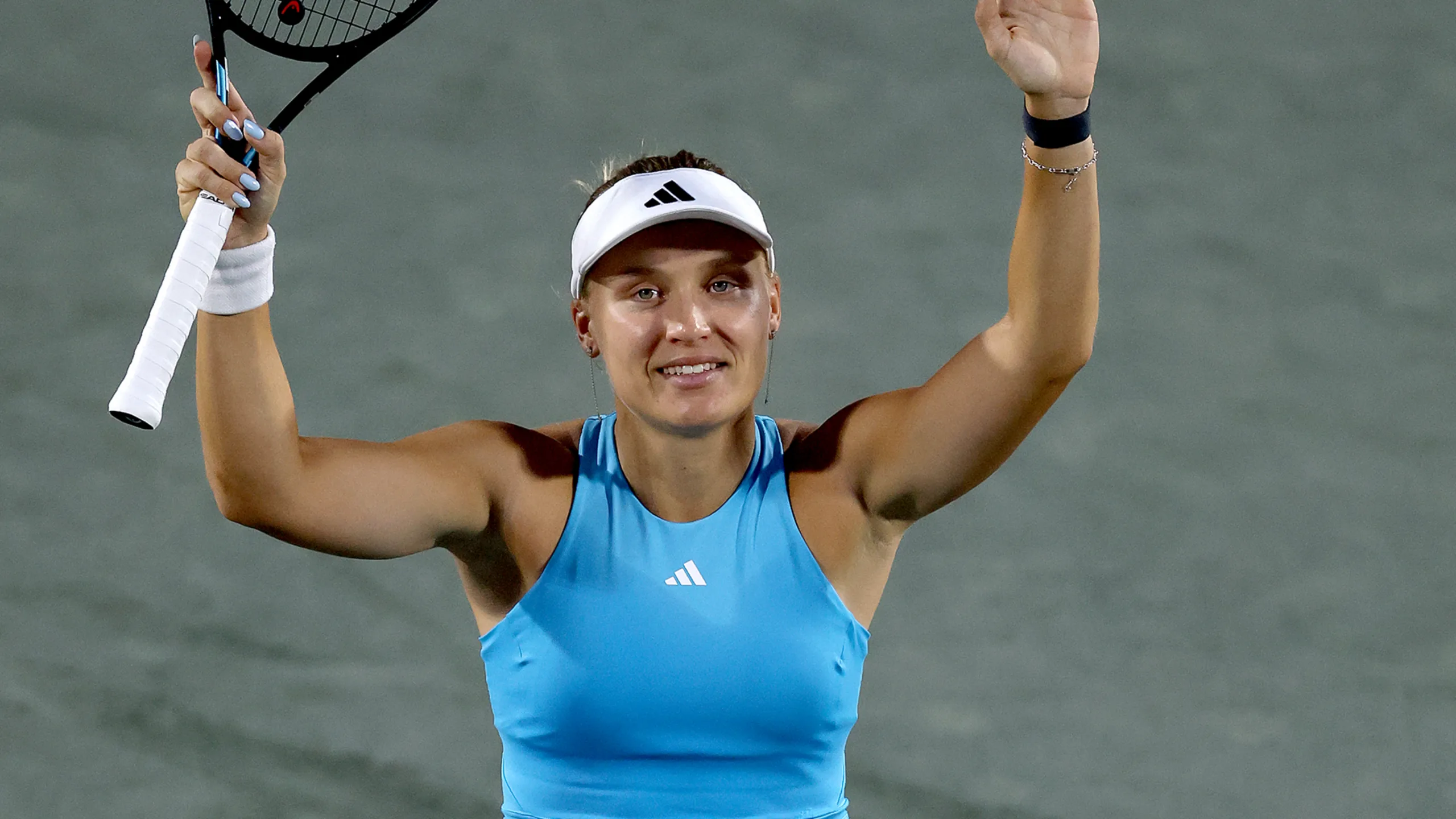
Yuliia Starodubtseva closed a breakthrough week at the Credit One Charleston Open as the tournament finalist, falling 6-2, 6-2 to defending champ Jesica Pegula. The Old Dominion University alum leaves Charleston with confidence and a revised short-term plan as she prepares for the European clay swing.
“I was going to play a tournament next week in Madrid; there’s a 125k,” Starodubtseva recalled after a 6-2, 6-2 defeat to defending champ Jesica Pegula. “I was meant to play a 125 in Portugal the following week, and after that I had Madrid 1000.
“I feel like I deserve a little break. You want to take some breaks, and like the more you obviously lose, the more weeks you need to play. So, I find it like a reward in a way that I can take some weeks for myself. I’m also moving places. I have a lot to do, and going to take some days off tennis as well.”
The week included a dominant semifinal victory over 2025 Australian Open champion Madison Keys, and the pressure of competing on a bigger stage was a new experience.
“I call it stimulation,” she said in her post-match press conference. “Like, because you go find a tournament and you play somebody great — like I played Madison Keys in the semis. I couldn’t sleep the night before or fall asleep because all I think about is the match next day. And it is overwhelming, but when you can’t fall asleep and you just keep thinking about like what’s going to happen tomorrow, how are you going to play, what are you going to do, I haven’t found a solution yet how to fix this.
“But I feel like the more I put myself on further stages in the tournaments, I feel like I’ll learn how to cope with it as well.”
Starodubtseva plans to invest part of her Charleston prize money in a traveling physio and believes the week reaffirmed the style she wants to play.
“I feel like I changed up a bit my play style and kind of like realized what type of player I actually am, and I think I’ll try and build from there on,” she said. “I definitely played more aggressive tennis last two weeks, and I think it’s in my nature, and maybe I haven’t been letting myself do it in previous weeks, maybe tried to do more other stuff rather than just keeping it simple and be aggressive in certain moments. And I think this was like the biggest lesson in the last two weeks that I had.”
She is tentatively planning a return to the Mutua Madrid Open, where she reached the fourth round as a qualifier just over a year ago. “I feel like maybe my favorite surface is becoming like fast clay, and Madrid is that,” she told me. “Roland-Garros is that. I did good there as well.
“Here is like the clay is a bit faster. I feel like I did good here as well. So, I’m kind of excited for that tournament, and I know I have to maybe defend a lot of points there, but I feel like I have no pressure here. Just going to try and do my best there.”
“I think [clay] really suits her game,” agreed Pegula. “She’s really tricky. I think maybe she wasn’t playing her best. I think I was playing at a really high level. But then you could see at the end there that, like, she didn’t miss a ball for like two games, and I was like, ‘Oh, she’s going after it right now.’ And I think that’s probably what caused everyone a lot of issues earlier in the week in her earlier rounds here.”
500 Charleston Open
Madison Keys Says She’s Warming to Clay After Charleston Win
After beating Belinda Bencic in Charleston, Madison Keys says she has grown to not dislike clay…now
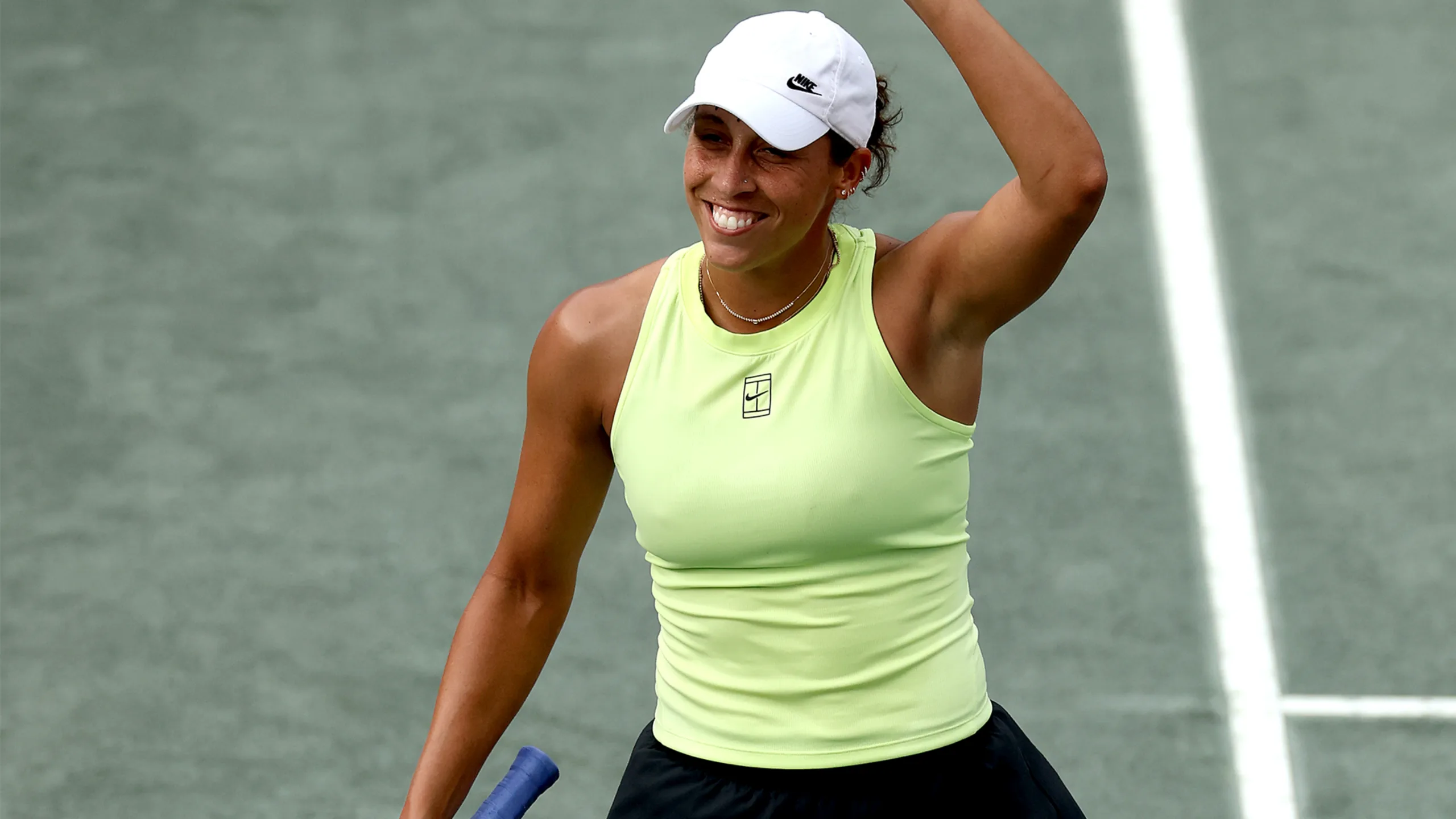
Madison Keys, the 2025 Australian Open champion, described a shift in how she approaches clay after advancing to the semifinals of the Credit One Charleston Open following a quarterfinal victory over Belinda Bencic. The comment came at the end of her press conference and reflected a broader change in her attitude toward the surface.
Q. I was curious how you would assess how your relationship with clay courts have evolved over the years because obviously you’ve had some really great results on clay, but I would imagine you probably still prefer hard and grass and how that mentality takes you into the season each year?
MADISON KEYS: I have grown to not dislike clay. I think when I first started, it kind of always felt like it was slower. I think at the start of my career I kind of would try to change who I was as a tennis player. And I felt like I lost my own tennis identity throughout the clay swing, and then you get back on grass and you just kind of feel like everything is front-foot tennis.
So, I think over the years I’ve stopped trying to make these drastic changes to how I play tennis. It’s just the smaller tweaks and how can you actually use the court to help your game. And, honestly, I think I almost like clay better than grass. Right? Crazy, I know!
Keys made clear that she still favors hard courts overall, saying she would “still take a hard-court swing over any other time in the season,” but that the higher bounce and different rhythms of clay have helped her keep more of her natural game. She also observed that grass has changed: “Queen’s Club is still pretty fast,” she told me before filming a video for the tournament’s social media page, and she noted that Wimbledon’s grass has gotten slower over the years.
The remarks invite comparison with other players who have translated clay comfort into success on other surfaces; the draft referenced four-time Roland Garros winner Iga Swiatek’s run to the 2025 Wimbledon title as one example of that crossover. For Keys, the Charleston week appears to be another step in a career-long process of refining how surface adjustments fit her style.

Sabalenka Withdraws from Stuttgart After Injury Sustained Following Miami Win

Monte Carlo quarterfinals promise four compelling clay battles

Holger Rune targets Hamburg return after Achilles tear

Alcaraz Confronts On‑court Microphones During US Open Practice Ahead of Opelka Match

Raducanu Arrives at US Open With Momentum After Strong Hard‑Court Swing

Cervara: Ending an eight‑year partnership with Medvedev was necessary to change the energy
-
 Australian OpenBrisbane InternationalPlayer News2 months ago
Destanee Aiava to retire after 2026 season, condemns tennis culture in open letter
-

 ATPGrand SlamPlayer News1 month ago
Alcaraz and Sinner Headline 2026 Laureus Nominations; Sabalenka, Fonseca and Anisimova Also Recognized
-
 1000Player NewsQatar TotalEnergies Open2 months ago
Victoria Mboko Poised to Reach WTA Top 10 After Doha Final Berth