ATP Tour
Rusedski sees no risk in Eala’s heavy schedule before the US Open
Rusedski backs Eala’s schedule, saying her US Open prep leaves no reason for concern.

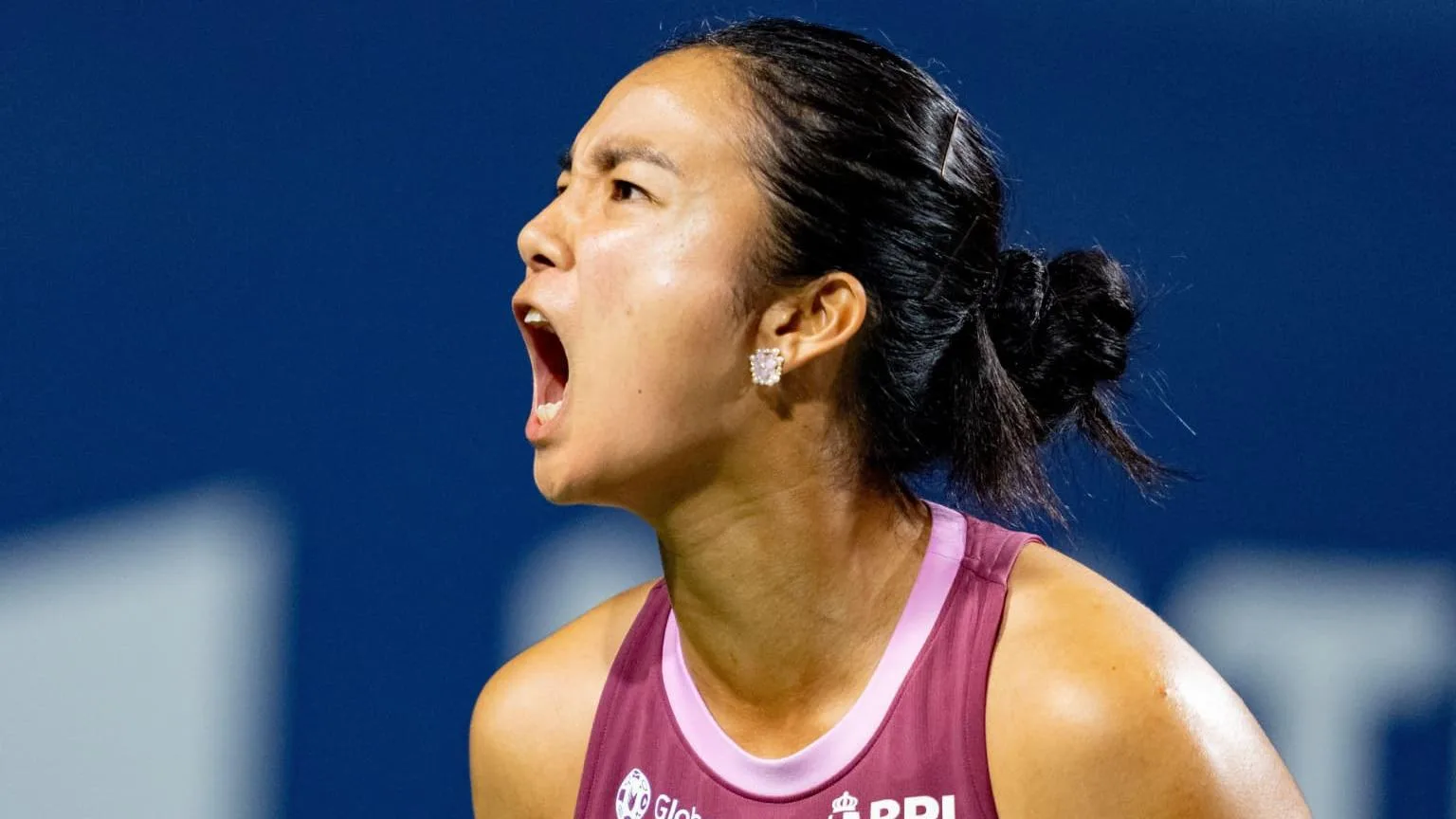
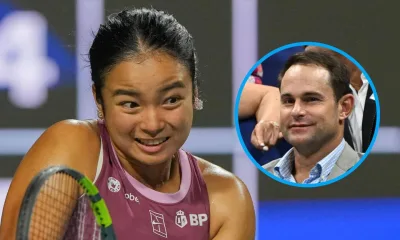
Greg Rusedski has dismissed worries that Alex Eala’s packed calendar could leave her drained by the time the US Open begins.
The 21-year-old has been on a demanding run in recent weeks, playing eight matches from 28 July to 10 August as she lifted the Washington Open title and then advanced to the fourth round at the Canadian Open. Across the full 2026 season, Eala has already played 56 matches in 21 tournaments, split between the main WTA Tour and the ITF or Challenger Circuit.
Her next stop is Cincinnati, where she is set to appear at the WTA 1000 event before turning her attention to New York and the US Open. Rusedski, speaking on the latest episode of his Off Court With Greg Rusedski podcast, said he had no worries about fatigue becoming an issue.
“No, no chance of that happening,” said the 1997 US Open finalist.
He pointed out that the work load is part of the process at the top level.
“Yes, she’s going to get the load, but if you need to win a major, you need to win seven matches in a row, and she’s done that already.
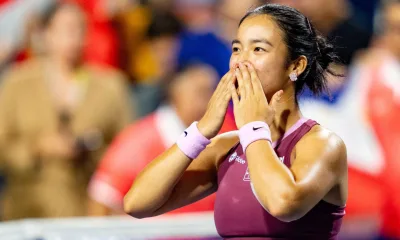
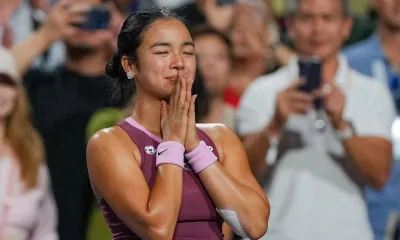
“It’s been fantastic, the reception she got in Toronto for her opening match was brilliant, the speech to the crowd was electrifying, and the people who came were just delighted to see her. And then to back it up again by beating [Caty] McNally.
“I feel like physically she’s already in good shape, she’s strong mentally — the mind and body go hand in hand. And when you’re young, the body bounces back a lot quicker than when you get into your 30s and later years.
“So, I’m not worried about that. She’ll play Cincy, and then she’ll have a week off to prepare for the US Open. That’s what all the big names do, so for me, there’s no concern.
“Just been super impressed, and it just keeps on solidifying why we think she’s gonna be a big star in this game — and already is.”
Rusedski also stressed how significant Eala’s rise is for her country, saying the scale of interest around her is unlike anything seen before there.




ATP Tour ATP Tour News
Draper’s injury problems deepen after Cincinnati loss to Landaluce
Draper fell in Cincinnati, and fresh doubts now hang over his season and US Open plans.
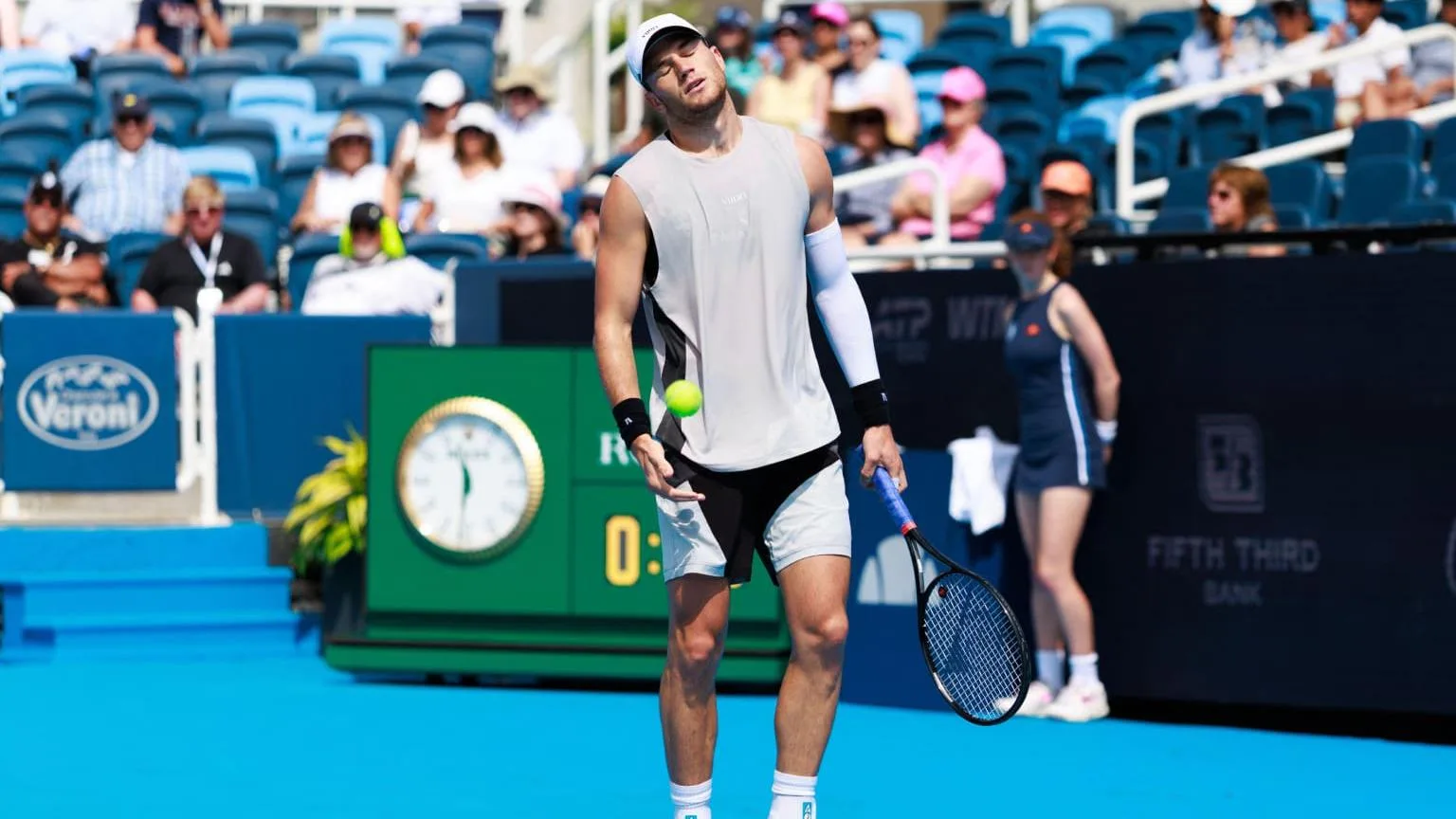
Jack Draper’s difficult run with injury concerns continued in Cincinnati, where he was beaten in the opening round by Spain’s Martin Landaluce and left with fresh uncertainty over what comes next for the former British No 1.
Draper has spent much of the past year dealing with a bone bruising problem that he has not been able to fully overcome. The issue resurfaced in painful fashion last week, when he broke down in tears after his first-round defeat in Montreal, an emotional scene that fuelled speculation that his 2026 season might already be in jeopardy.
Even so, Draper turned up in Cincinnati and tried again to manage the problem. For a while, there were signs that he might still be able to compete. After a cautious opening, he found a better rhythm and moved into a commanding position in the second set, eventually coming within a single point of forcing a deciding set.
But the result told only part of the story. Draper’s arm issue remained a clear obstacle throughout a 6-3, 7-5 defeat, and he cut a frustrated, downcast figure well before the match was over. The sense of concern around his condition only grew as the match wore on.
Former British No 1 Greg Rusedski offered a stark assessment on his podcast, questioning whether there is a realistic solution to the problem. “This is really, really concerning and serious,” said Rusedski.
He went on to say: “No matter how great a player you are in the men’s game, if you cannot get that serve in play to get the first strike on your serve, it’s very difficult. Because you look at the ground strokes, you look at the returns, you look at the movement, you look at his hands, it’s all there. Everything’s there. But you put one hand behind the back if you’re not able to serve properly. And for me that’s the problem.
“It looks like he’s going to have to have a long period away of rest. I’m sure he’s tried the injections to get the inflammation down on multiple occasions, maybe on too many occasions, who knows? The only one who knows is him and his team around him. So for me, it looks like the solution is possibly another long break away, finding a way to heal.
“He’s tried the racket, he’s tried the strings, he’s tried so many things. I mean, I feel for him. I don’t know what to say to the guy.
“I just feel really, really bad, because the potential, the talent is there. Who knows what the reason is behind it, but he’s trying to find a solution. You know, from what I’m seeing over the past year, I don’t know how he gets there. And to me, that is very worrying.”
Draper is scheduled to play mixed doubles at the US Open with Jessica Pegula, in an event set for the week before the singles begins later this month, but his participation is now in major doubt.
ATP Tour ATP Tour News
Osaka pulls out of Cincinnati as withdrawal list continues to grow
Osaka’s exit takes Cincinnati’s total absentees across both draws to 15.
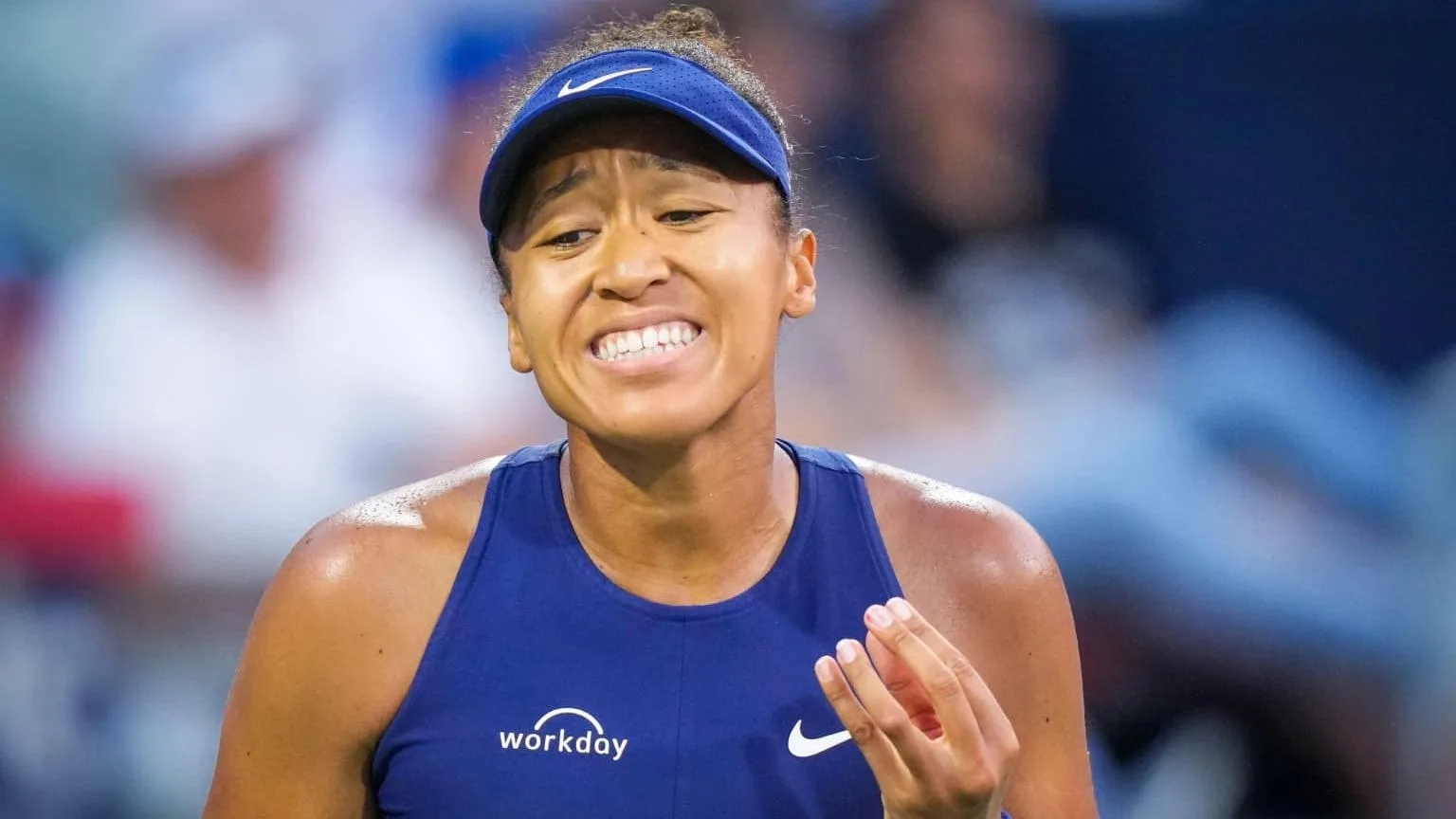
[Naomi Osaka has become the latest player to step away from Cincinnati, adding another significant absence to a field that has already been reduced by a series of withdrawals.
Her decision lands in the middle of a broader debate about the modern tour calendar. Masters 1000 events have been stretched from one week to two over the past few years, a move that has increased money for players and tournaments, but has also drawn growing criticism as the workload on tour continues to rise.
With the sport becoming more physically demanding, the extended format has done little to ease the pressure. Instead, more players have been choosing to withdraw from these events in order to protect their health, and Cincinnati has now become the latest example of that pattern.
Carlos Alcaraz had already pulled out after being sidelined since April with a wrist injury. Jannik Sinner then withdrew with a knee problem, which created concern that both of the world’s top two players might not be in shape for the US Open.
Osaka’s exit adds another major name to that list. The four-time major winner reached the semi-finals in Washington and the quarter-finals in Toronto before deciding to focus fully on the US Open. She cited “fatigue” when confirming her withdrawal.
In a statement, the Japanese said, “I’m really sad to have to withdraw from Cincinnati this year due to fatigue. I love playing here and am looking forward to coming back and competing in Cincinnati next year.”
Her withdrawal follows comments from Canadian Open tournament director Valerie Tetreault, who called for changes to tennis’ “demanding schedule”. Sinner, Alcaraz, and Novak Djokovic were among the leading names to miss that event.
Tetreault said, “We are obviously very disappointed that Jannik and Novak won’t be joining us in Montreal this year, especially after they also withdrew from last year’s tournament in Toronto.
“We respect their decisions and understand that, with such a demanding schedule, players’ health must remain the priority. That said, we believe the frequency of these last-minute withdrawals in the last few years raises a broader issue for our sport.
“Masters 1000 events are among the flagship tournaments on the tour, and fans rightfully expect to see the world’s best compete. We are already in discussions with the ATP to ensure this matter received serious consideration.”
Osaka’s withdrawal takes the total number of absentees across both the men’s and women’s draws in Cincinnati to 15.
ATP Tour Cincinnati Open
Cincinnati prize money gap highlights a familiar debate
Cincinnati’s prize money gap is back in focus as the women’s winner will earn less than the men.
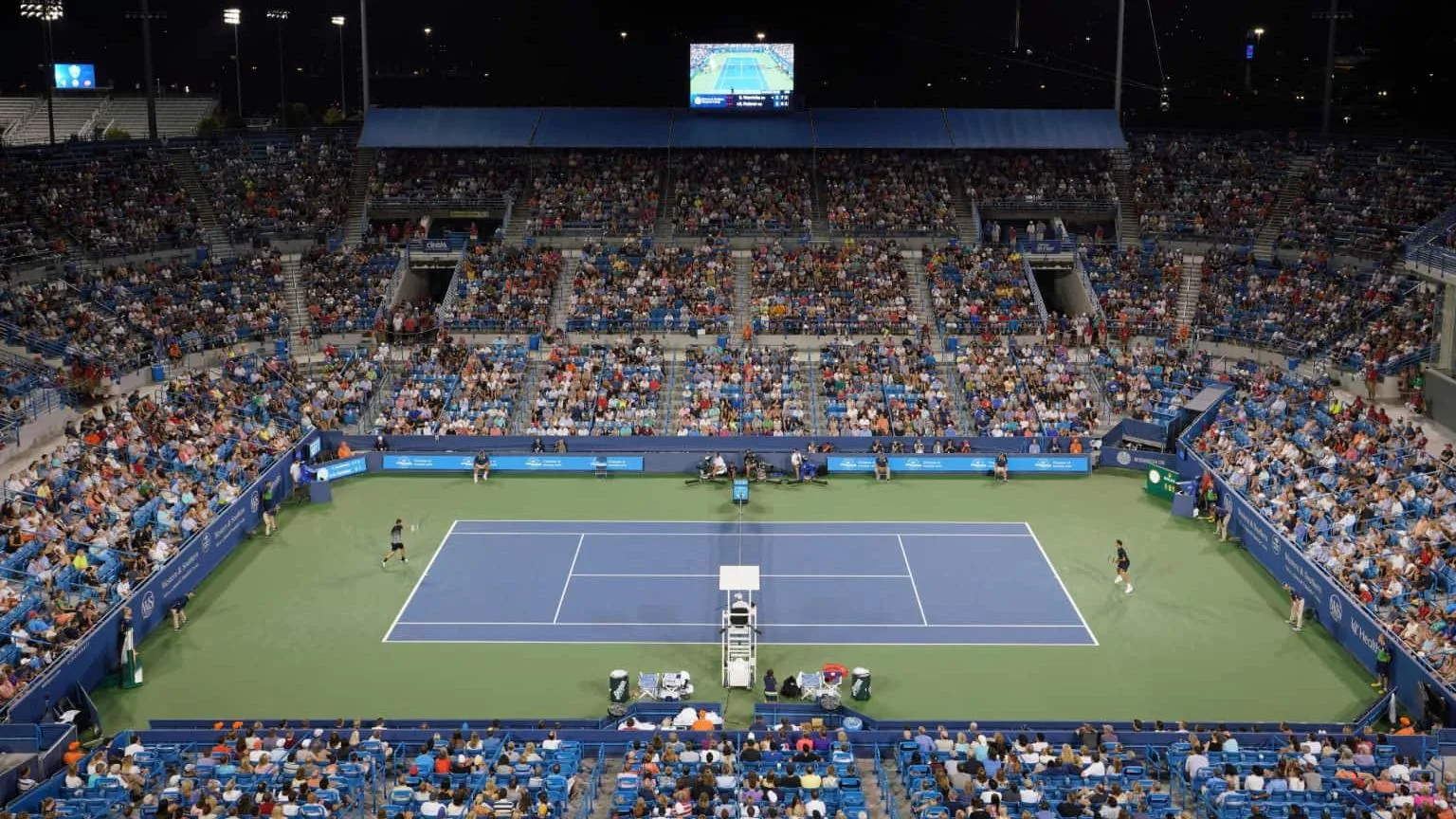
The Cincinnati Open has opened with a prize money imbalance that is likely to draw attention throughout the event. The women’s champion will receive less than the men’s winner, despite both tournaments being played at the same venue.
That contrast sits against a wider discussion in tennis about revenue sharing at the biggest events. Jannik Sinner and Aryna Sabalenka have been among the leading voices calling for a bigger share of the money generated at Grand Slam tournaments, with some suggestions that top players could even consider missing the sport’s biggest events if they do not get the outcome they want.
The four Grand Slams do not have a gender pay issue, with the Australian Open, French Open, Wimbledon and the US Open all offering equal prize money to men and women. That remains the case even though women play best-of-three-set matches while men compete over best-of-five sets.
At Grand Slams, the argument for parity is straightforward enough: fans and television viewers are watching both draws on the same courts. The same logic could be applied in Cincinnati, where ATP Tour and WTA Tour events are staged side by side. Yet the pay scales remain different.
The men’s champion in Cincinnati will earn $1,151,380, while the women’s champion will collect $1,085,220. The gap is partly linked to less lucrative broadcasting deals for women’s matches than men’s. Even so, this may be the final year of the discrepancy, with the WTA Tour having committed in 2023 to equal prize money at joint ATP and WTA Tour events by 2027.
As stated on the WTA website at the time: “One of the main pillars of the strategy includes creating a pathway toward equal prize money, a goal envisioned 50 years ago when Billie Jean King founded the WTA,”
“This increase will happen over time, to ensure the changes are sustainable for players and tournaments in the long term, with WTA 1000 and 500 combined events attaining equal prize money by 2027 and single-week WTA 1000 and 500 events by 2033.”
The Cincinnati men are also playing best-of-three matches, which makes the prize money difference stand out even more clearly.

Draper’s injury problems deepen after Cincinnati loss to Landaluce

Osaka pulls out of Cincinnati as withdrawal list continues to grow

Cincinnati prize money gap highlights a familiar debate

Alcaraz Confronts On‑court Microphones During US Open Practice Ahead of Opelka Match

Raducanu Arrives at US Open With Momentum After Strong Hard‑Court Swing