
Grand Slam US Open WTA
US Open shrinks mixed doubles into two-day short-set experiment
US Open shortens mixed doubles to 16 teams, two days and novel short-set format. Audience reactions.

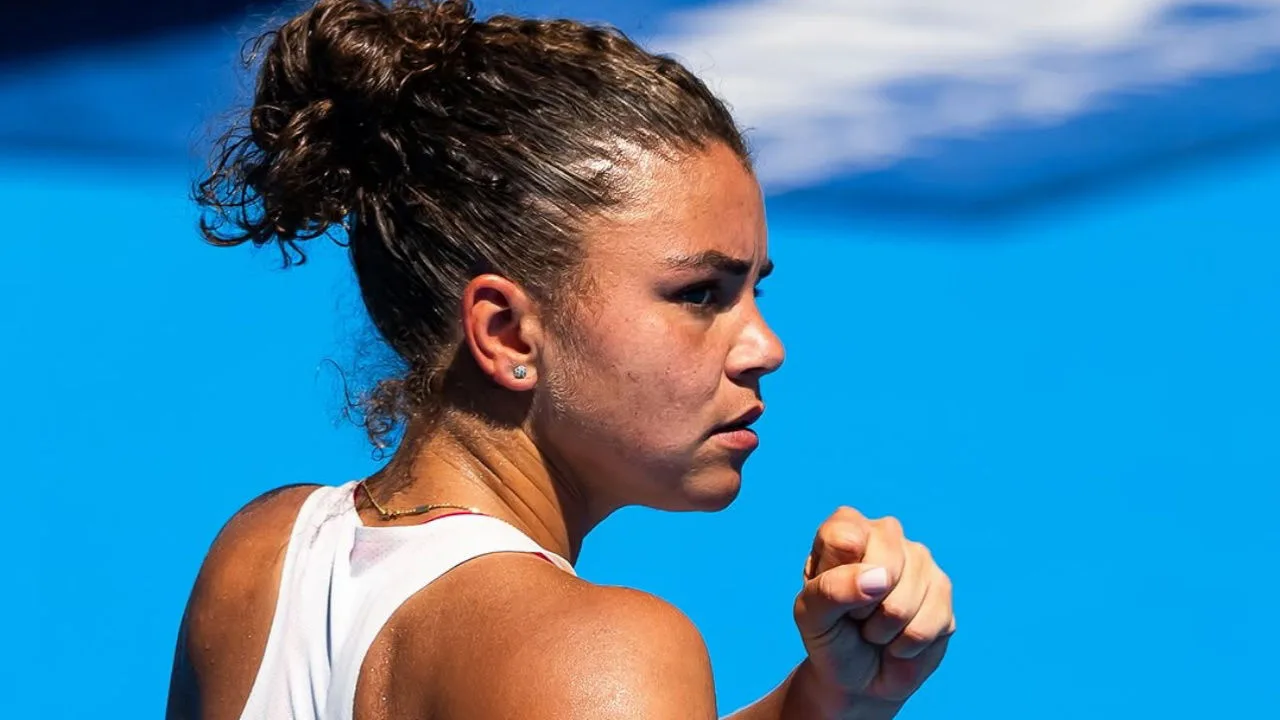
This summer the US Open dramatically reconfigured its mixed doubles event, trading the traditional 32-team draw for a condensed 16-team field concentrated over two days. The tournament’s mixed draw will be played on Tuesday, August 19 and Wednesday, August 20 during “Fan Week” and will adopt a short-set format: two sets played with no-ad scoring, first team to four games, and a ten-point tiebreaker in lieu of a third set. The winners will nonetheless earn a major title.
The change shifts the balance of entrants away from a roster mostly made up of doubles specialists toward a larger share of familiar singles competitors. That reality, and the format itself, raises a central question: Might the US Open organizers instead have staged this as an exhibition? If certainly less credible, would an exhibition have been any less engaging?
There is unease about conferring a Grand Slam mixed championship under such compressed rules. Nearly 50 percent of my mind is disturbed by the notion that two people competing in this format will join a pantheon of past US Open mixed champions that includes the Bryan brothers, Martina Hingis, Leander Paes, Martina Navratilova, Mark Woodforde, Billie Jean King, Rosie Casals, Margaret Court, Frew McMillan, Jana Novotna, Helena Sukova, Arantxa Sanchez Vicario, and Owen Davidson.
The move comes amid broader questions about doubles on the professional tour. In what I’ll call the “post-Bryan Brothers Era,” elite doubles athletes remain highly skilled and interchangeable, yet contemporary formats often reduce matches to short scoring and deciding tiebreaks. Given that workload, might the doubles players use that significant quantity of off-hours to partner with their handlers and tour staff to better promote themselves? What about names on their shirts? Compelling web content? On-site clinics and autograph sessions? Instead, alas, sadly, or perhaps even opportunistically, most contemporary doubles players are hardly visible to fans who might greatly appreciate these skilled athletes if they had the chance to know who they were.
Call this year’s experiment an intriguing debut of theoretically engaging duo acts. Over the next two to three years, tweaks and turnouts will help determine if the US Open’s new approach to mixed doubles is not merely an incidental cameo, but a full-fledged cast member.
Back to 1970, when the US Open was the first major to deploy the tiebreaker, the tournament has a long history of innovation. The tournament also staged a shift from grass to clay before settling at Flushing Meadows in 1978, and night play began in 1975 at the West Side Tennis Club.

ATP French Open Grand Slam
Auger-Aliassime Reaches Career-High No. 4 After Breakthrough at Roland Garros
Auger-Aliassime rises to No. 4 after best Roland Garros run, tying second-highest Canadian rank. Now
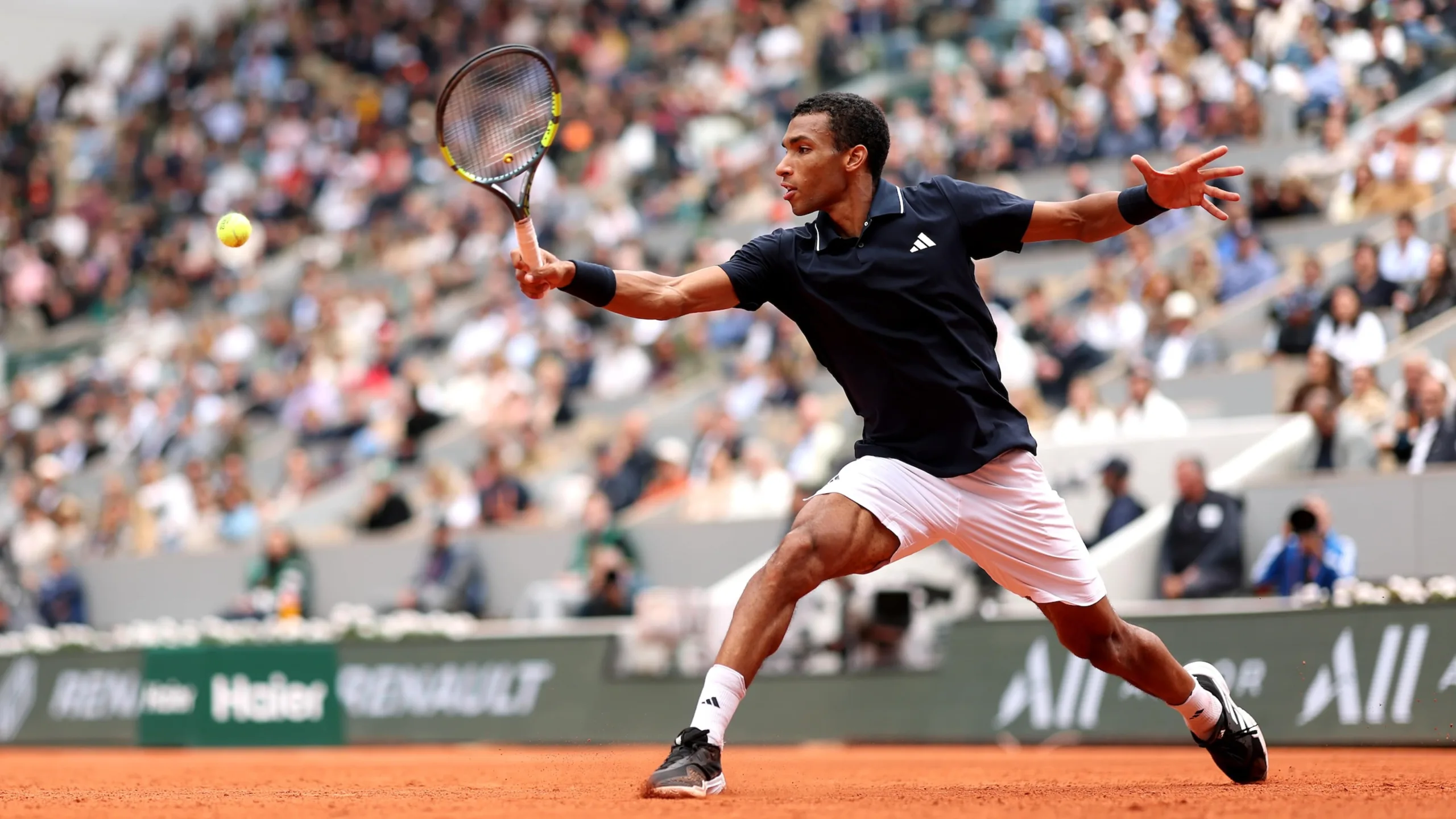
Felix Auger-Aliassime moved to a career-high No. 4 in the ATP rankings following his deepest run at Roland Garros, where the 25-year-old reached the quarterfinals for the first time before losing to eventual finalist Flavio Cobolli. The result completed a personal Grand Slam milestone: having previously reached the quarterfinals or better at the Australian Open, Wimbledon and the US Open, he became the first Canadian man to reach the quarterfinals or better at all four majors in his career.
The rise from No. 6 to No. 4 surpasses his prior best of No. 5 and places him tied for the second-highest-ranked Canadian in ATP or WTA rankings history. The only other Canadians to reach the top four are Milos Raonic and Bianca Andreescu. Raonic went as high as No. 3 in 2016, following his run to the Wimbledon final that year, and Andreescu peaked at No. 4 in 2019 after winning the US Open.
Canadian tennis has seen seven players reach the top 10 in either ATP or WTA history, with official rankings available since 1973 for the ATP and 1975 for the WTA.
Auger-Aliassime still has ground to cover to move higher in the standings. He is 2,865 points behind the current world No. 3, Alexander Zverev, with the rankings showing Zverev at 7,305 points and Auger-Aliassime at 4,440.
The Canadian will shift his focus to grass. He begins his grass-court season this week at the ATP 250 event in ‘s-Hertogenbosch, entering as the No. 1 seed. After a first-round bye he will open against either Hubert Hurkacz or Marton Fucsovics.
The new ranking reflects a season of important progress for Auger-Aliassime and cements his place among the highest-ranked Canadians in modern tennis history.
ATP French Open Grand Slam
Flavio Cobolli’s Roland Garros run vaults him into ATP Top 10
Flavio Cobolli entered the ATP Top 10 after his first Grand Slam final at Roland Garros. New ranking
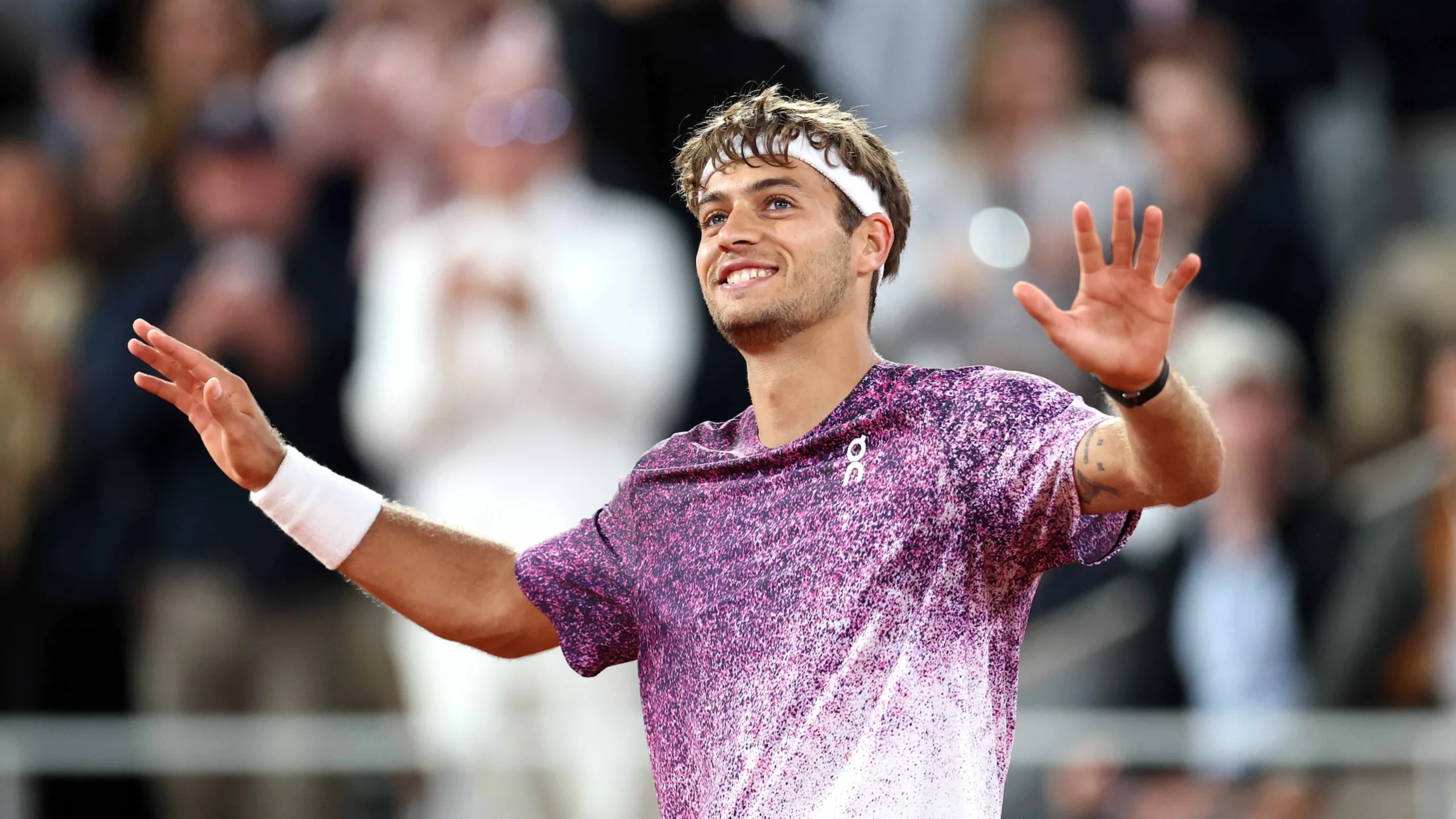
Flavio Cobolli’s breakthrough at Roland Garros produced a major ranking milestone. The 24-year-old reached his first Grand Slam semifinal and final in Paris and, despite losing the title match to Alexander Zverev in a five-set battle, climbed from No. 14 to No. 10 in the latest ATP rankings, marking his Top 10 debut.
Cobolli is the seventh Italian to enter the ATP Top 10 since the rankings began in 1973. He is also only the second Italian man in the past 50 years to contest the Roland Garros final, joining last year’s runner-up, Jannik Sinner. Born in 2002, Cobolli is the fifth man born in 2002 or later to reach the Top 10, following Carlos Alcaraz and Holger Rune, who were both born in 2003, and Lorenzo Musetti and Ben Shelton, who were both born in 2002.
The route to the final carried complicated circumstances. Cobolli advanced to the title match after countryman Matteo Arnaldi withdrew before their semifinal due to illness. Cobolli reflected on the day with mixed emotions: “When [Arnaldi] came to me almost one hour ago, I almost cried,” he said. “It’s something that you don’t expect at all. I was ready to play this match. When he came, I was completely sad for him.
“But at the same time, of course I’m really happy for the result that I reached this week. My dad also came to me right before him, and we had a big hug together with the whole team for achieving the Top 10. Every time that I make the best ranking, we all together have a big hug. We did the same routine as always.
“Yeah, now I’m sad and happy at the same time.”
Arnaldi, 25, leaps from No. 104 to No. 34 after reaching his first Grand Slam semifinal, moving to within four spots of his 2024 career-high of No. 30. Matteo Berrettini also recorded a significant rise, moving from No. 105 to No. 48 after reaching his first Grand Slam quarterfinal since 2022 on the terre battue. For the former No. 6, it was his first appearance at Roland Garros since 2021, following four years marked by injury and illness withdrawals.
French Open Grand Slam
Maja Chwalinska vaults to No. 21 after surprise run to Roland Garros final
Maja Chwalinska rises from No. 114 to No. 21 after reaching the Roland Garros final. into the Top 25
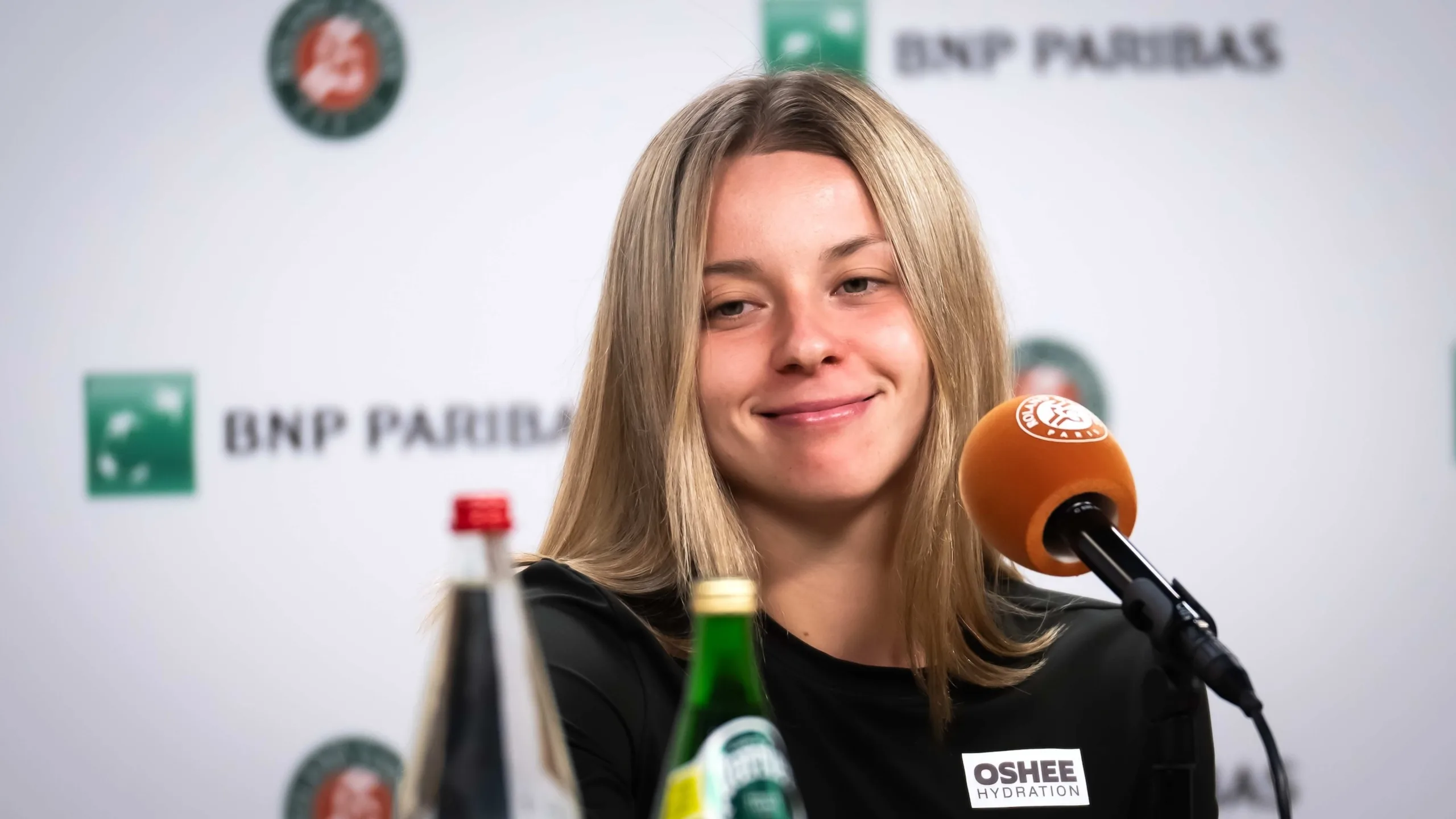
The new WTA rankings produced a major leap for Maja Chwalinska, who climbs from No. 114 to No. 21 after reaching the first Grand Slam final of her career at Roland Garros. The 24-year-old from Poland achieved a sequence of breakthroughs during the clay-court major.
Her run was historically improbable. Chwalinska became the lowest-ranked woman to reach the Roland Garros final in the WTA rankings era, which dates to 1975. She was also only the second player in the Open Era, woman or man, to advance to a Grand Slam final as a qualifier, following Emma Raducanu.
Before the tournament she had never beaten a Top 50 opponent. At Roland Garros she defeated four Top 50 players en route to the title match: Elise Mertens, Maria Sakkari, Anna Kalinskaya and Diana Shnaider. The result smashed her previous career-high of No. 113 and delivered several milestone debuts — Top 100, Top 50, Top 40 and Top 30 — with her ranking finishing just shy of the Top 20.
Asked after the final about the gap in level between the elite and those outside the Top 100, she said: “I know many, many great players that are ranked outside Top 100,” she said. “You know, it’s such a thin line now. I feel like a lot of things need to click, but yeah, for sure there so many great players. Yeah, I wish them all the best. I hope that my story these last days was inspiring for them, and I’ll see them in the—let’s say—Top 50 now.”
With few ranking points to defend until September, there is scope for further gains through the summer. Chwalinska plans a break before returning for the grass season. “I’m not going to play anything before grass, that’s before Wimbledon, that’s for sure. I definitely need some time to recharge,” she said. “Even before Roland Garros, I said that I need vacation after the tournament. So now it’s three weeks that I’m kind of like—not waiting, because I wanted to be here, but I just knew in the back of my head that I’m going for the vacation after French Open.
“Yeah, definitely need some time to recharge.”
The French Open champion, Mirra Andreeva, moves from No. 8 to No. 6, her best ranking this season and one spot shy of the career-high No. 5 she reached last year.

Draper’s route back takes an unexpected detour before the US Open

Tsitsipas’ Gstaad win strengthens call to move on from Apostolos

Holger Rune’s return comes with injury caution and a new racket question

Alcaraz Confronts On‑court Microphones During US Open Practice Ahead of Opelka Match

Raducanu Arrives at US Open With Momentum After Strong Hard‑Court Swing

Cervara: Ending an eight‑year partnership with Medvedev was necessary to change the energy
-
 ATPFrench OpenGrand Slam2 months ago
Moise Kouame Breaks Through at Roland Garros, Channels Djokovic in Win Over Marin Cilic
-
 ATPFrench OpenGrand Slam2 months ago
Arthur Fils withdraws from Roland Garros before opener with Stan Wawrinka
-
 ATPFrench OpenGrand Slam2 months ago
Casper Ruud endures heat and cramps to prevail in five sets at Roland Garros