Finals WTA WTA Finals
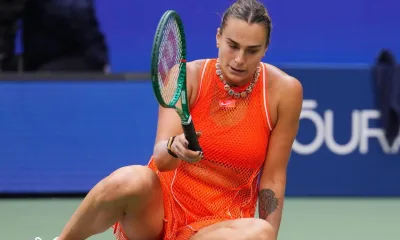
Sabalenka leans on power to outlast Pegula and reach Riyadh semifinals
Sabalenka leaned on raw power to rally past Pegula in Riyadh and secure a spot in the semis. indeed.

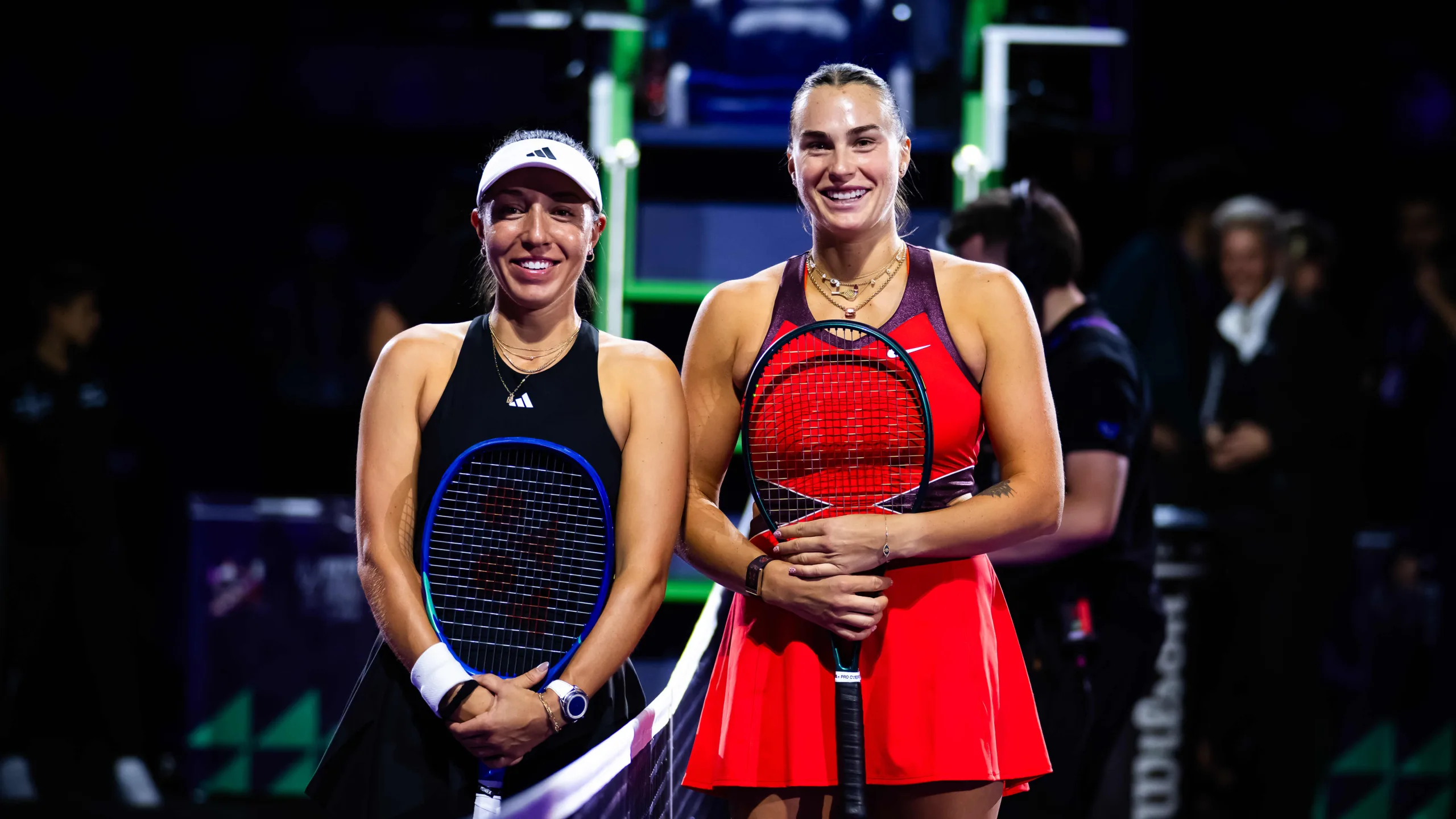
Aryna Sabalenka advanced to the semifinals after a 6-4, 2-6, 6-3 victory over Jessica Pegula in a Riyadh round-robin match that lasted two hours and three minutes.
“She pushed me, and I love it,” Aryna Sabalenka said after beating Jessica Pegula 6-4, 2-6, 6-3 in their Riyadh round-robin match on Tuesday.
The result added another chapter to a one-sided overall rivalry: Sabalenka has won nine of their 12 meetings, seven of those in straight sets. Still, recent encounters have tightened. At the US Open, Pegula won a set for the first time in two years before Sabalenka prevailed 6-4 in the third. In Wuhan, Pegula ended a four-match skid against Sabalenka by winning a third-set tiebreak.
Both arrived in form. Pegula had beaten Coco Gauff and Sabalenka had beaten Jasmine Paolini in earlier matches in Riyadh. On Tuesday, Sabalenka captured the opening set by forcing errors and dictating enough points. Pegula answered in the second by stepping in, counter-punching and coming to the net.
“In the second set, she just stepped in and played incredible tennis,” Sabalenka said. “In the third set I was just thinking, ‘I’m gonna go after my shots. I’m gonna try to stay even more aggressive. Put that speed back with her and hope that I’ll get my chance.’”
Pegula threatened to take control early in the final set, breaking for 2-1 and appearing to move toward a 3-1 lead. Sabalenka reversed course with a series of aggressive returns, a forehand passing shot and decisive groundstrokes that produced multiple breaks and a run to 5-2 before sealing the win with a forehand winner.
“You know what,” Sabalenka said to herself, ‘I have nothing else to do, I’m just going as hard as I can, and heavy as I can, down the lines.”
Statistically the match was noisy: Sabalenka hit only two more winners than Pegula and made 19 more unforced errors, but she forced Pegula into 36 errors to 19. With a 2-0 record in the round-robin, Sabalenka has moved into the semifinals. For all her success, she has never won the WTA Finals and has reached the title match just once; this is the first season she has been No. 1 for the majority of the year.




Finals
Eala rallies past Pegula to win Washington Open after weather interruption
Eala stormed back to beat Pegula in Washington and claim her first WTA Tour title.

Alex Eala came from behind to defeat Jessica Pegula in the Washington Open final, completing the biggest moment of her career with a first WTA Tour title.
The championship match was interrupted by thunderstorms in the United States capital and resumed a day later, with Pegula carrying the advantage into the second day. She was a set ahead and the second set remained on serve, but Eala lifted her level at the right time and closed it out 6-4 to draw level.
From there, the momentum shifted fully. Eala dominated the deciding set and swept it 6-0, finishing in front of a lively crowd that was heavily Filipino in support. The response from the stands underlined the scale of the occasion for the new champion.
Pegula, though disappointed by how the final unfolded, still paused after the match to acknowledge Eala and the atmosphere around her opponent.
“Thank you everyone, first I want to congratulate Alex on an amazing week and amazing tournament. I don’t know how much more I can say, but you’re an amazing player and just to see how far you’ve come the last couple of years when we first played,” said the American.
“To see the amazing fans follow you every single place you go, it’s not fun to play against, but I do appreciate it. This is the best Monday final I’ve ever seen.
“I’m sure some people took off work, I won’t tell them where you guys were, but it’s amazing you showed up and again to all the Filipino fans who have come out and supported, you guys are helping grow tennis all around the world. As a female athlete in tennis, we love to see that grow, so thanks so much everyone.”
The loss ended Pegula’s title bid, but her ranking position still improved. She earned 325 points for reaching the final and has built a stronger gap over Coco Gauff.
Pegula, the world No 3, is now nearly 1000 points clear of world No 4 Gauff. Her next target is Elena Rybakina at No 2, although she remains 1431 points adrift. That leaves Pegula with considerable ground to make up if she wants to break into the top two for the first time in her career, and a Masters win in Toronto or Cincinnati may be needed to apply real pressure.
Finals
Indian Wells to Host 2026 WTA Finals as Rankings Battle Intensifies
Indian Wells will host the 2026 WTA Finals as the race for the last places tightens.
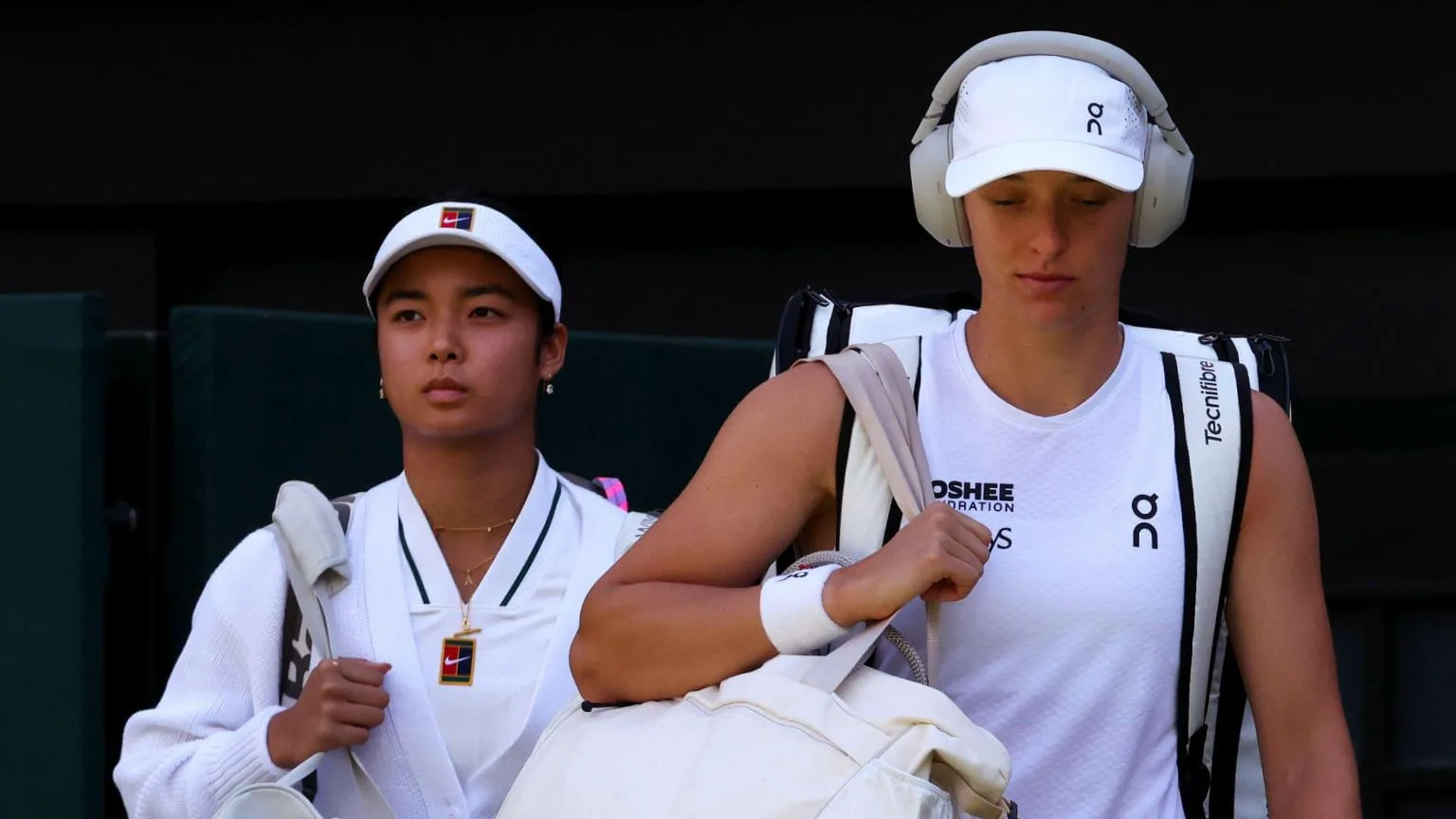
The 2026 WTA Finals are set for Indian Wells in November, a change that could bring a more settled backdrop to the season-ending event.
Since the WTA’s agreement to stage the tournament in Shenzhen ended after 2019, the Finals have been held in Guadalajara, Fort Worth, Cancun and Riyadh. In that time, players have voiced complaints about the courts, the lack of crowds, the facilities and other details. The switch to California should ease many of those concerns.
After the announcement was confirmed in early July, WTA chair Valerie Camillo said, “The Indian Wells Tennis Garden provides an exceptional stage for the WTA Finals.
“From its world-class facilities and passionate fan base to its proven ability to deliver premier tennis events, the venue offers everything needed to showcase the very best of women’s tennis. We are excited to bring the WTA Finals to Southern California and continue building one of the premier championships in global sport.”
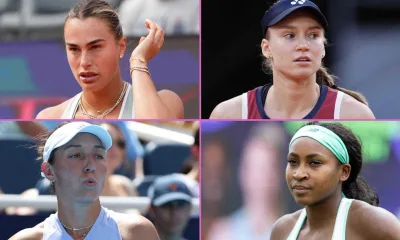
With the North American hard-court swing approaching, the race for the final eight is finely balanced. Mirra Andreeva leads the standings by a small margin over Aryna Sabalenka, with Elena Rybakina close behind. Linda Noskova has pushed herself into the picture, while Coco Gauff and Iga Swiatek remain vulnerable to missing out.
Karolina Muchova has put herself in strong shape to qualify, while Elina Svitolina and Jessica Pegula are also well placed. Gauff currently occupies the final qualification spot, but Marta Kostyuk is less than 200 points behind. Victoria Mboko will not be able to defend her Canadian Open title because of an MCL knee injury, and her return date remains unclear, which could put her Finals hopes at risk.
Swiatek’s position is more delicate than her ranking suggests. Although she is eighth in the world, she is 12th in the race and 1530 points behind Gauff. Madison Keys and Naomi Osaka are also in the chase and will need a strong hard-court stretch to give themselves a chance of reaching Indian Wells.
Finals French Open Grand Slam
Siniakova, Townsend secure Roland Garros title and chase team Career Grand Slam
Siniakova and Townsend captured Roland Garros, their third different major, and target a Career Slam.
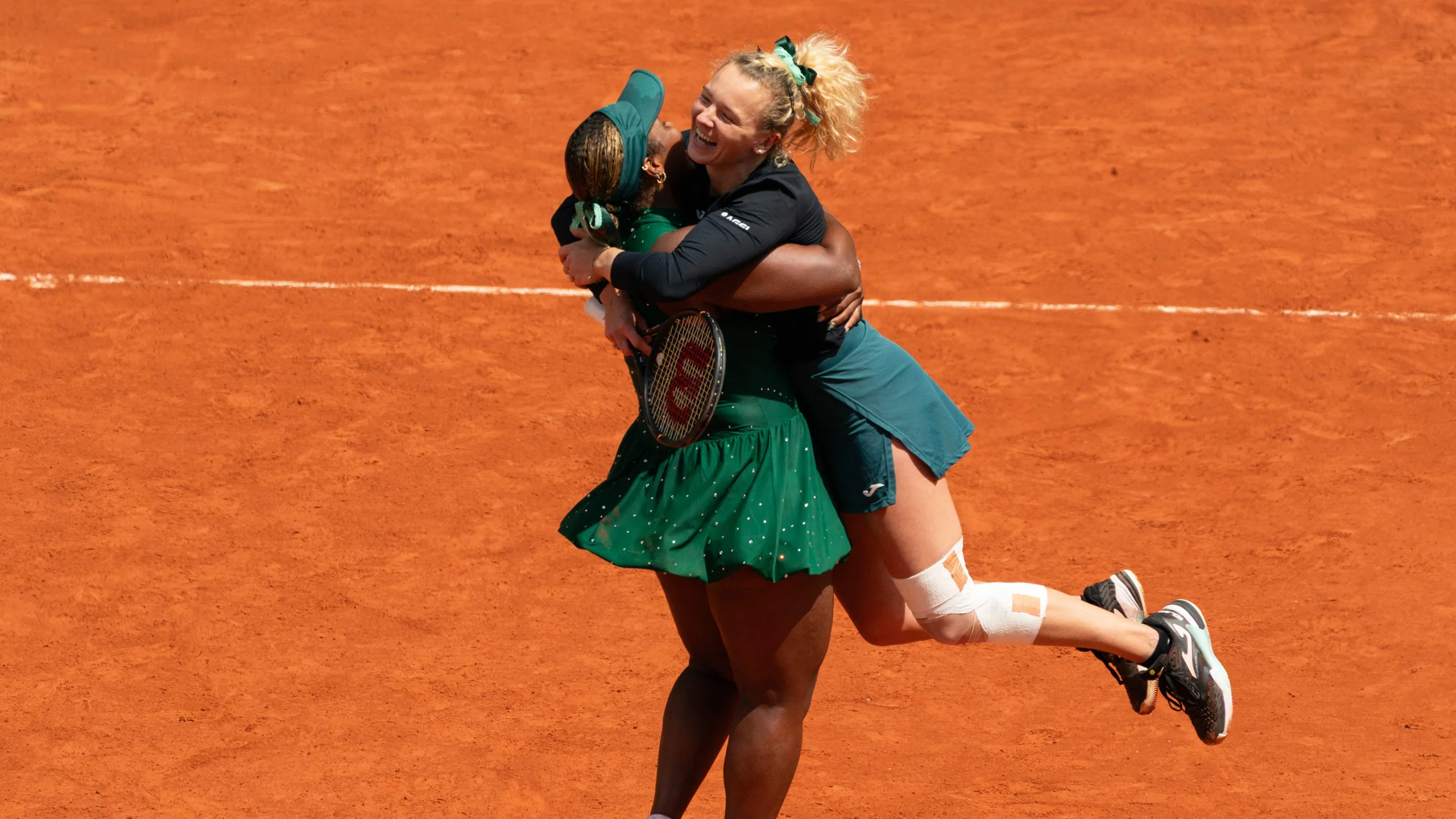
Top seeds Katerina Siniakova and Taylor Townsend returned to Grand Slam victory with a straight-sets win at Roland Garros, beating second-seeded Anna Danilina and Aleksandra Krunic 6-2, 7-5. After falling behind 4-1 in the second set, the top seeds rallied to claim the clay-court major and register their third different major trophy together.
The Paris title follows their triumphs at 2024 Wimbledon and the 2025 Australian Open, leaving the pair with an opportunity to complete a team Career Grand Slam in New York later this year. Townsend reflected on what the American major would mean, saying, “For me the US Open would mean everything for me to be able to win that. I’ve gotten close several times as well. Lost to (Katerina) the first time,” Townsend smiled when speaking to press.
Siniakova was emotional after the victory as the duo collected their seventh team title. For the Czech, who already has a Career Golden Slam with Barbora Krejcikova, this marked her 11th Grand Slam crown in women’s doubles. Four of those titles have come at the clay-court major with three different partners.
Speaking about their partnership, Siniakova said, “The game of me and Taylor is totally different. I think for the opponents it’s also really tricky, because we can change it, and we can play almost anything we want. We can just do it during the game. I’m just really glad that we kind of work on everything and play anything, because then it’s also making it easier for us.”
The pair have been in strong form across the spring, winning four of the last five events they contested, with earlier titles at Indian Wells, Miami and Madrid. For Townsend, time away from her five-year-old son Adyn is a challenge she willingly accepts. “Of course, winning a title in a Grand Slam, it’s amazing. My dad, he was like, ‘I taped the ceremony, so I’ll show it when he wakes up.’ For (Adyn) to be able to see me succeeding, it means a lot to me, but also to be able to bring back lessons and things that I’ve learned and to come back a better person really drives and motivates me a lot,” Townsend said.

Zverev Arrives at Laver Cup With Europe’s Title Bid in Focus

Alex Eala opens Singapore challenge against Prozorova as ranking gains loom

Zverev’s breakthrough season rewrites a long-running story

Raducanu Arrives at US Open With Momentum After Strong Hard‑Court Swing

Maestrelli Triumphs in Bergamo, Claims Challenger Title and Career‑High Ranking