ATP Tour ATP Tour News
Fils praises Jodar after Canadian Open defeat as next generation comes into focus
Fils fell to Jodar in Montreal, but praised the rising ATP Tour generation.

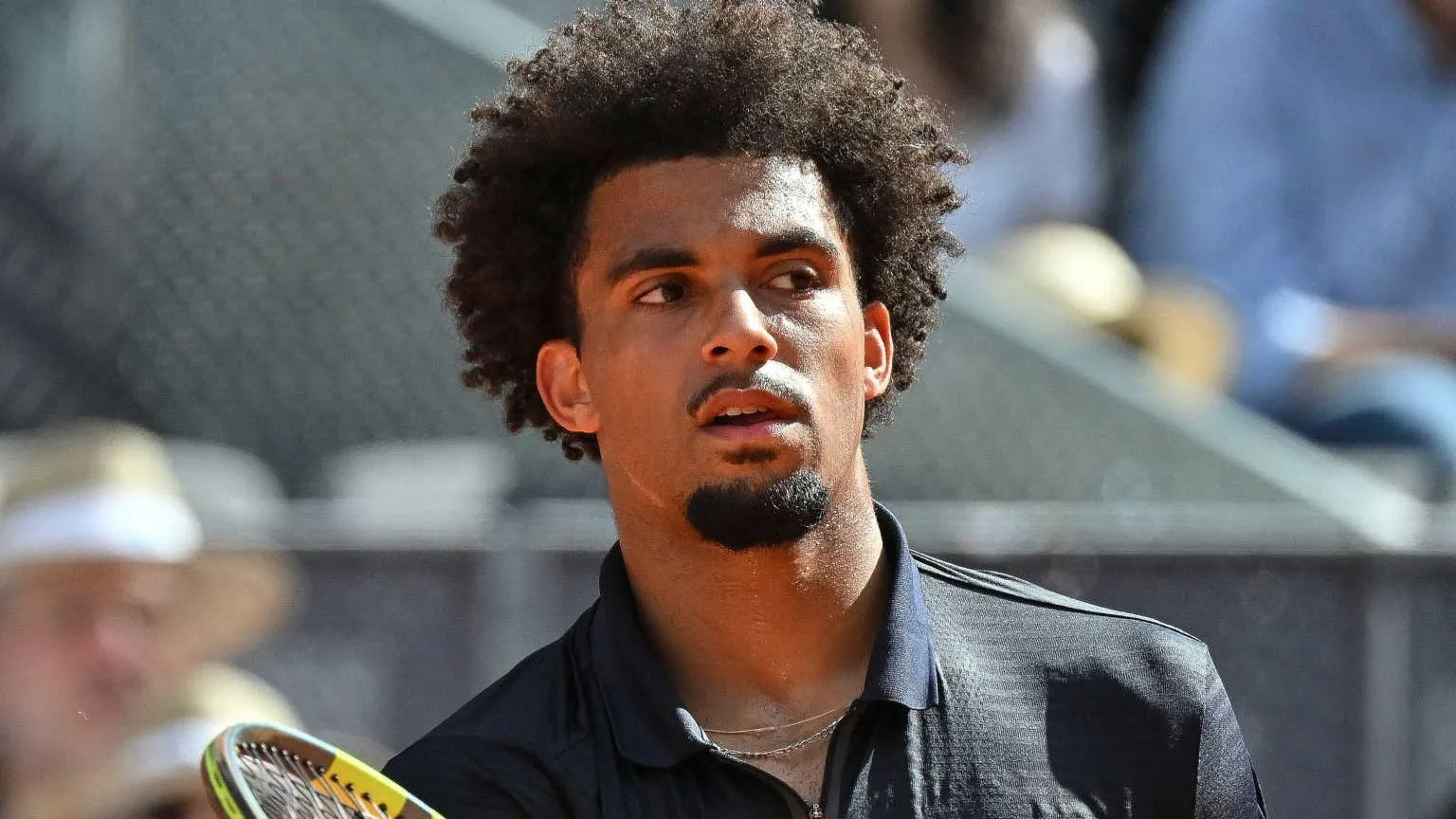
Arthur Fils’ Canadian Open run ended with a straight-sets loss to Rafael Jodar, but the Frenchman left the match with plenty to say about the rising standard around the ATP Tour.
Fils had moved through a strong path to the quarter-finals, beating Zachary Svadja, Mariano Navone and Cameron Norrie before meeting an inspired Jodar. The younger player came through 7-6, 6-3, in a result that underlined how quickly fresh talent is pushing forward on the tour.
Afterward, Fils was generous in his assessment of his opponent and the broader group of players emerging alongside him. He described Jodar as part of the “great generation” now appearing on the ATP Tour, and his comments reflected both respect and optimism about what lies ahead.
Speaking after his Canadian Open exit, Fils said: “I need to get back to training. Good players like him make you want to play a lot of matches.
“I hope we’ll meet again. In fact, I’m sure we will. We’ll play each other many times in the next 10 years. We’re going to have a great generation with Ben [Shelton], [Jakub] Mensik, Joao [Fonseca], Rafa [Jodar]. And I include myself in that. It’s going to be cool to watch.”
The names he highlighted already have strong credentials. Shelton and Mensik won their first Masters titles in 2025, at the Canadian Open and the Miami Open respectively, and both are inside the top 20. Fonseca has two ATP titles, a Roland Garros run that included wins over Novak Djokovic and Casper Ruud, and a current ranking of world No 27, with a career high of No 24. Jodar has also made a mark this season, winning in Marrakech before reaching another final in Washington.
Fils himself broke through in 2025, climbed to world No 14, recovered from a back injury, and has since added a Barcelona title and a final at the Qatar Open. The overall picture suggests a crowded and compelling future just beneath the very top of the game.




ATP Tour ATP Tour News
Draper reflects on Montreal tears and the toll of a difficult season
Draper opens up on Montreal tears, injury setbacks and reaching “rock bottom” this season.
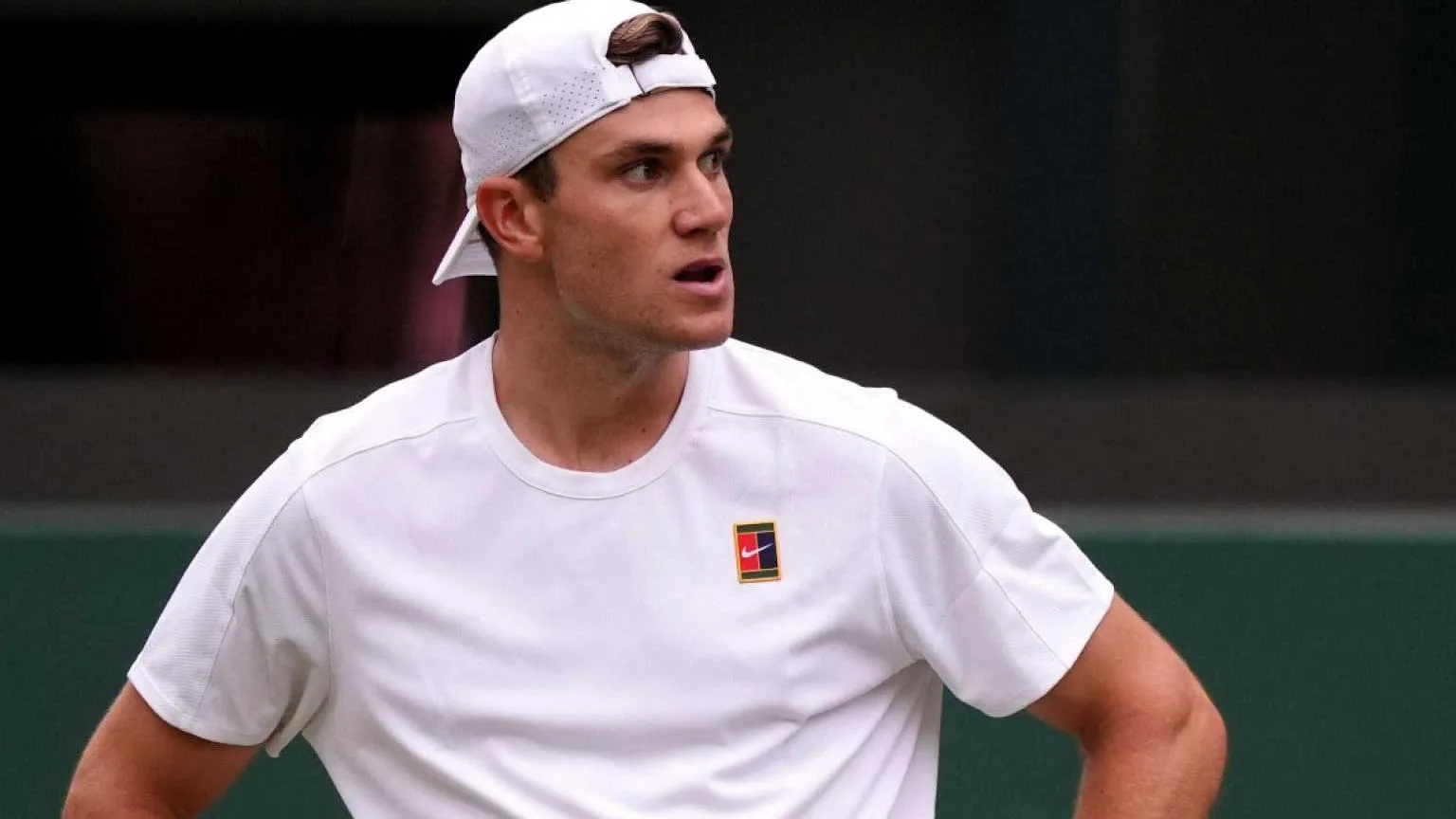
Jack Draper has spoken candidly about the tears he shed at the Canadian Open and the difficult stretch that has left him feeling as though he has reached “rock bottom”.
The 24-year-old has managed only six tournaments this year, a run severely disrupted by injuries that have pushed him out of the world’s top 100. Draper, once ranked as high as No 4, has been dealing with bone bruising in his left arm for a year, while knee tendonitis arrived in April and added to an already punishing spell.
His recent season has been marked by stop-start planning and repeated setbacks. After last-minute withdrawals from Wimbledon and Washington, Draper ended up in tears late in his three-set defeat to Terence Atmane in Montreal. He has not hidden how demanding the situation has been, but his latest comments suggest a player trying to process the reality of what has happened and move forward from it.
Ahead of his first-round Cincinnati match with Martin Landaluce, Draper told The Guardian, “I don’t get emotional often. There was once I got emotional in practice in May when I had really bad knee tendonitis and my arm was really sore as well. I was in so much pain.
“I was running and my knee [hurt] and my hitting the balls and my arm was sore. Last week came from a place of, I think I had so much to focus on and manage, so much change going on in my tennis. I got to [No]4 in the world through doing the same things, the consistent work, the differences, and then went through this whole process of a lot of setbacks and a lot of struggle.
“That’s taken a lot out of me. But then at the same time, I’m in a position where I’m having to start again. That reality is difficult sometimes. The reason I got emotional was that through all the challenges, you can forget who you are on the court.
“And last week I felt like I couldn’t give any more. I was emotional because I didn’t recognise the player I was out on the court due to my injuries and due to probably the way I’ve been feeling for a long time.
“When you reach rock bottom like that you can come back up again. Since then I’ve practised really well, I’ve had amazing support from the people around me and you get to a point more and more of acceptance. We’ve definitely reached that acceptance phase now.”
Draper will now hope to avoid any further physical setbacks in Cincinnati before the US Open begins later this month.
ATP Tour
Roddick: Djokovic’s evolution is practical, not theatrical
Roddick says Djokovic’s changes are practical, not flashy, as age shapes his game.
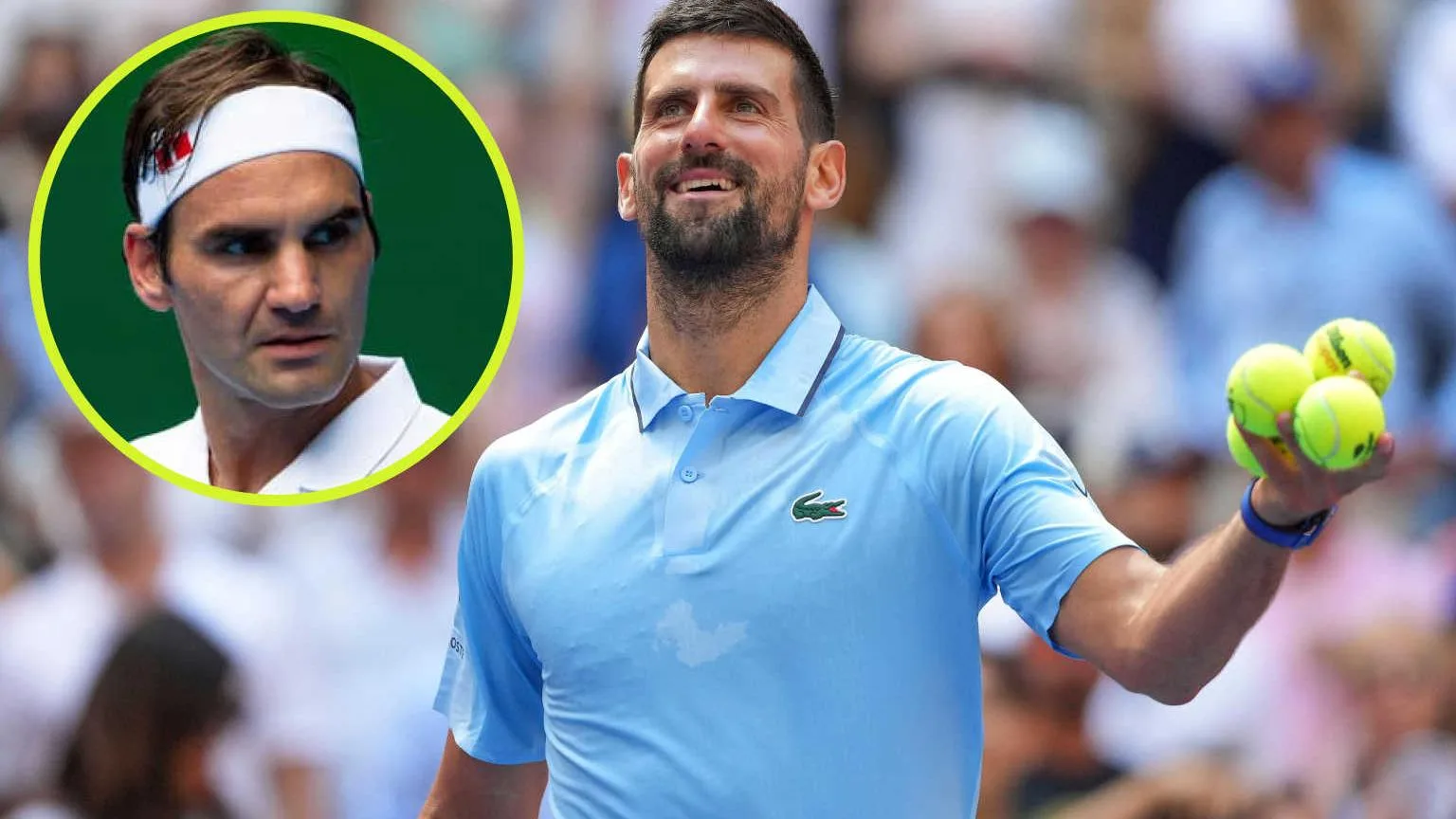
Andy Roddick believes Novak Djokovic has been reshaping his game for years, but not through anything as eye-catching as Roger Federer’s SABR. In Roddick’s view, the Serbian’s changes are far more practical, built around the reality of a body that no longer does everything it once did.
Roddick, who went 3-21 against Federer, said the 24-time major champion has made clear adjustments as he moves through the later stages of his career. Djokovic has increased the pace on his second serve, looks to finish points earlier, and comes forward more often than before. Those shifts, Roddick said, are designed to compensate for being a step slower and no longer carrying the same endurance.
The contrast with Federer’s 2015 SABR experiment is central to Roddick’s argument. He recalled how the Swiss used it at the Cincinnati Masters, when Federer essentially half-volleyed Djokovic’s serve and rushed the service box. It paid off in that final, though Djokovic later identified the tactic and defeated Federer in four sets in the US Open final.
Roddick called SABR a “circus”, in part because Federer used it so sparingly after those two tournaments. Djokovic’s evolution, by comparison, is constant and deliberate. On Served, Roddick said, “SABR was a bit of a circus. Like Roger would do it and it was fun, but did we ever see him really do it more than like one time? Every third set, it wasn’t something that you could go to all the time. Novak has already made adjustments.
“The second serve goes bigger, goes into the body. He doesn’t defend as well out of the corners. You might see him making more errors. That’s because he is trying to get on the front foot more often.
“It’s not as nuts as like SABR, where we’re all just waiting for him to be like, I mean, basically Roger is playing a game of horse (shooting a basketball from different locations on the court), but during matches, ‘Um, can I pull this off? Yeah. I mean, he’s certain.
“Novak serves and volleys way more than he used to. Every player who was fantastic at defence, you lose a step. How do you make up for that? It’s by getting on the front foot and playing less defence. How has that done? It’s by hitting bigger from the baseline.”
Roddick did note that Djokovic still can summon vintage defence, including in the final-set tiebreak of his quarter-final win over Felix Auger-Aliassime. But he added that such stretches are harder to sustain now. As Roddick put it, “I think we’ve seen Novak do that. I don’t know that you see him as often settle in and defence [it] up. Now he still does it when he needs to. The fifth set buster against Felix Auger-Aliassime [at Wimbledon], he went vintage, but can his body take that defensive load for five sets? I think the answer is no.
“Now it’s not as like obvious as SABR or Roger hitting one handed backhand and return winners with a bigger frame or something to talk about. But he’s already made a bunch of adjustments.”
1000 ATP Tour
Tien reveals arm issue after Shelton defeat in Canada
Tien says a nagging arm issue has been bothering him for weeks after his Shelton loss.
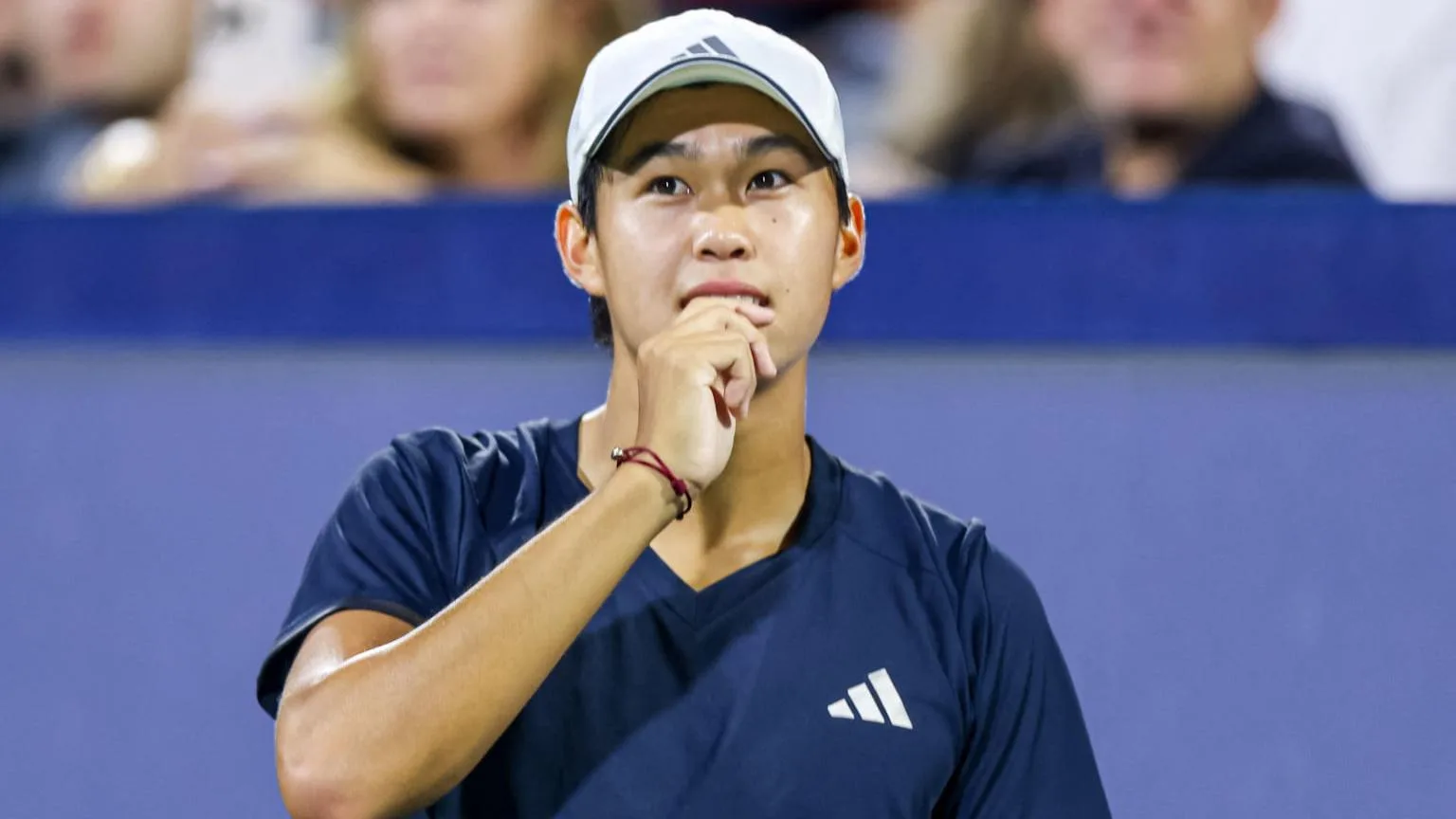
Learner Tien has acknowledged a lingering physical problem after his straight-sets loss to Ben Shelton in the Canadian Open semi-finals.
The 20-year-old had arrived at the match with confidence after winning the first two meetings between the pair, but Shelton ended that run with a 6-2, 6-3 victory on Wednesday. It was still a positive week for Tien after a difficult stretch of results, yet the left-hander’s condition now appears to be the bigger story.
Tien had strapping on his left arm against the defending champion, and the issue is already being managed with Cincinnati ahead. The concern has not gone away, and he explained in his post-match press conference that it has been bothering him for more than three weeks.
He said in his post-match press conference, “I’ve been trying to manage it [the arm issue] for maybe longer than three weeks. It’s kind of just always been there. I was supposed to play doubles this week. I ended up not playing, which is good for me.
“It’s just kind of been nagging at me. Sometimes I warm up and I don’t really feel it, and then towards the end of practice I start to feel it. And then sometimes I feel like if I really go for a serve, like something bad will happen.
“And I’ve been doing my best just to manage it, and but it’s been irritating and it’s just kind of been there. I’ve kind of found a way to play through it this week, but it’s not ideal I’d say.”
He also sounded uncertain about how the issue may affect his upcoming schedule. Along with Cincinnati, he is set to play US Open mixed doubles with Amanda Anisimova before the singles event the following week.
When asked about his next steps, Tien replied, “I don’t know. I think if it’s something that isn’t serious, that I won’t injure it further, if I play through it, I mean, I love to play.
“I mean, I always do just try to go out and play no matter how I’m feeling. That’s just kind of how I am. I always to finish matches; I always want to play matches, whether something is hurting or not. So I’m always going to go out and play, if I’m able to, if something bad won’t happen if I play through it.
“I’m going to take a couple days off now. I don’t think I play till Sunday in Cincy. I’ve kind of just been managing it the last few weeks, and I think a couple days off will be good for it.”
Tien said he was not close to withdrawing against Shelton, insisting he will keep competing whenever possible. If he does eventually pull out, attention may again turn to the demands of the schedule and the two-week Masters 1000 events.

Draper reflects on Montreal tears and the toll of a difficult season

Roddick: Djokovic’s evolution is practical, not theatrical

Roddick explains why Eala’s serve is proving difficult to attack

Alcaraz Confronts On‑court Microphones During US Open Practice Ahead of Opelka Match

Raducanu Arrives at US Open With Momentum After Strong Hard‑Court Swing