Facts & Stats
Eala’s rise continues as US Open challenge and mixed doubles debut await
Eala’s rise continues after a breakthrough summer, with a US Open mixed doubles debut ahead.

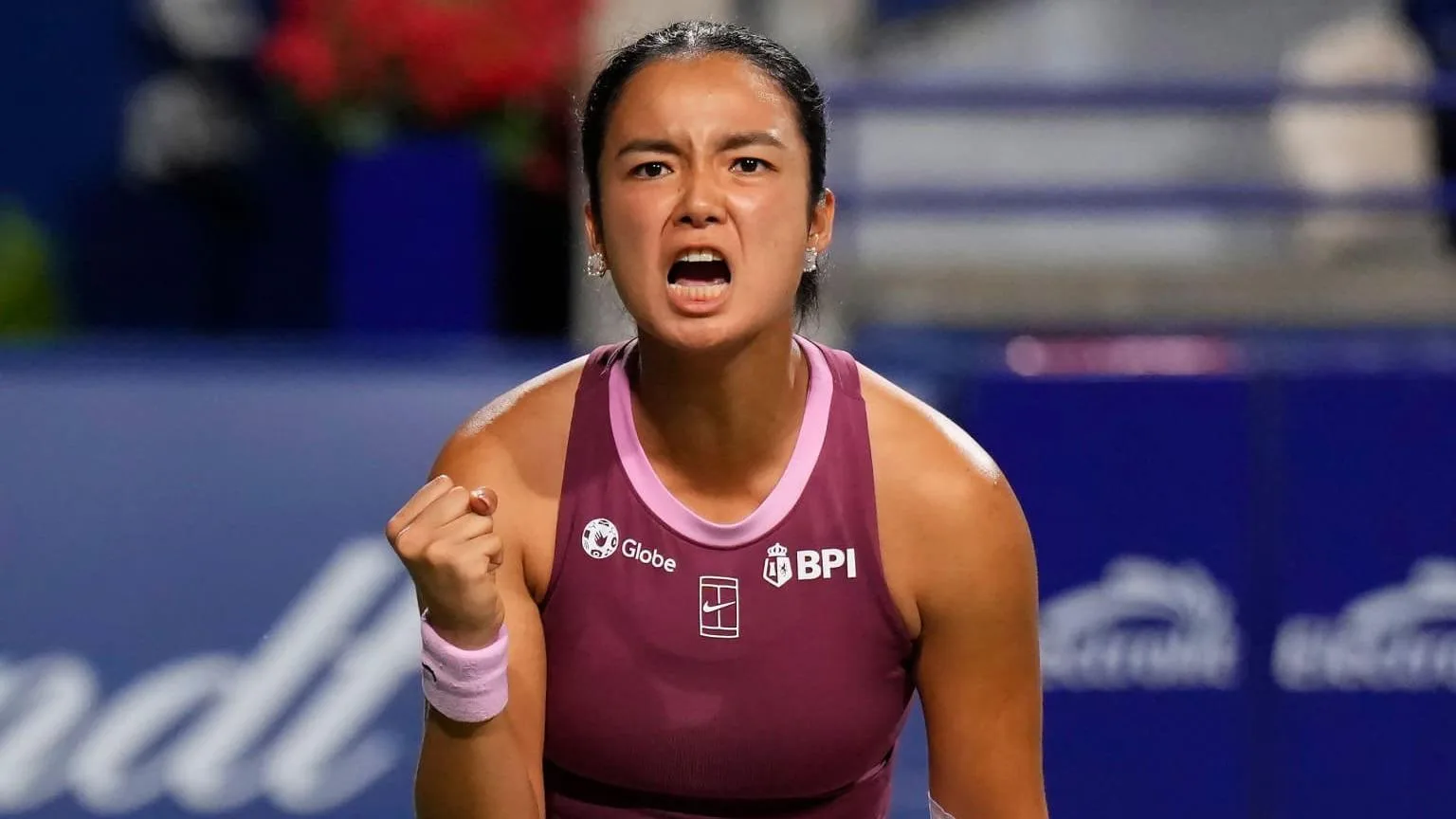
Alex Eala has established herself among the WTA’s leading names after a summer that transformed her profile. The Filipina’s progress on grass was highlighted by a title run at the Birmingham Open challenger, followed by a fourth-round showing at Wimbledon and a semifinal appearance in Berlin.
She carried that momentum into the North American hardcourt swing, where she claimed her first WTA title at the Washington Open. En route to the WTA 500 trophy, Eala beat Jessica Pegula, Elina Svitolina, and Naomi Osaka in successive matches, a run that lifted her sharply up the rankings.
Just before the US Open, Eala sits at world No 18, a position that has already made Southeast Asian history in the women’s game. She is now the highest ranked player from that region in WTA Tour history, moving beyond Indonesia’s Yayuk Basuki and Thailand’s Tamarine Tanasugarn, both of whom reached a career-best world No 19.
She narrowly missed a place inside the top 16, which would have improved her path in the opening rounds, but her recent results still leave her as one of the event’s dark horses.
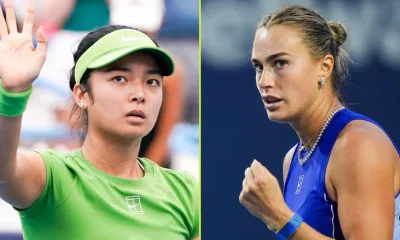
The 21-year-old will also make her debut in the US Open Mixed Doubles Challenge, her second appearance in the main draw at Flushing Meadows. She will partner Felix Auger-Aliassime, and the pair have been drawn against Elina Svitolina and Gael Monfils. If they advance, Novak Djokovic and Aryna Sabalenka could be next, with Leylah Fernandez and Frances Tiafoe waiting in the other opening-round match.
Other teams in the draw include Jessica Pegula and Taylor Fritz, Learner Tien and Amanda Anisimova, and Belinda Bencic and Flavio Cobolli. Last year’s title was won by Sara Errani and Andreas Vavassori, who were outspoken about the new format. “Making decisions just following the logic of profit is profoundly wrong in some situations,” they wrote. “In the last few weeks we received the news that the US Open mixed doubles tournament will be completely turned upside down, cancelled and replaced with a pseudo-exhibition focused only on entertainment and show.
“We see it as a profound injustice that disrespects an entire category of players. We don’t know at the moment if we’ll have the chance to defend our title but we hope this remains an isolated case.” Errani and Vavassori will face Andrey Rublev and Mirra Andreeva in the first round.




Facts & Stats
Alex Eala’s top-10 record ranks among WTA’s best in 2026
Alex Eala’s 2026 surge is backed by one of the WTA’s best records against top-10 players.
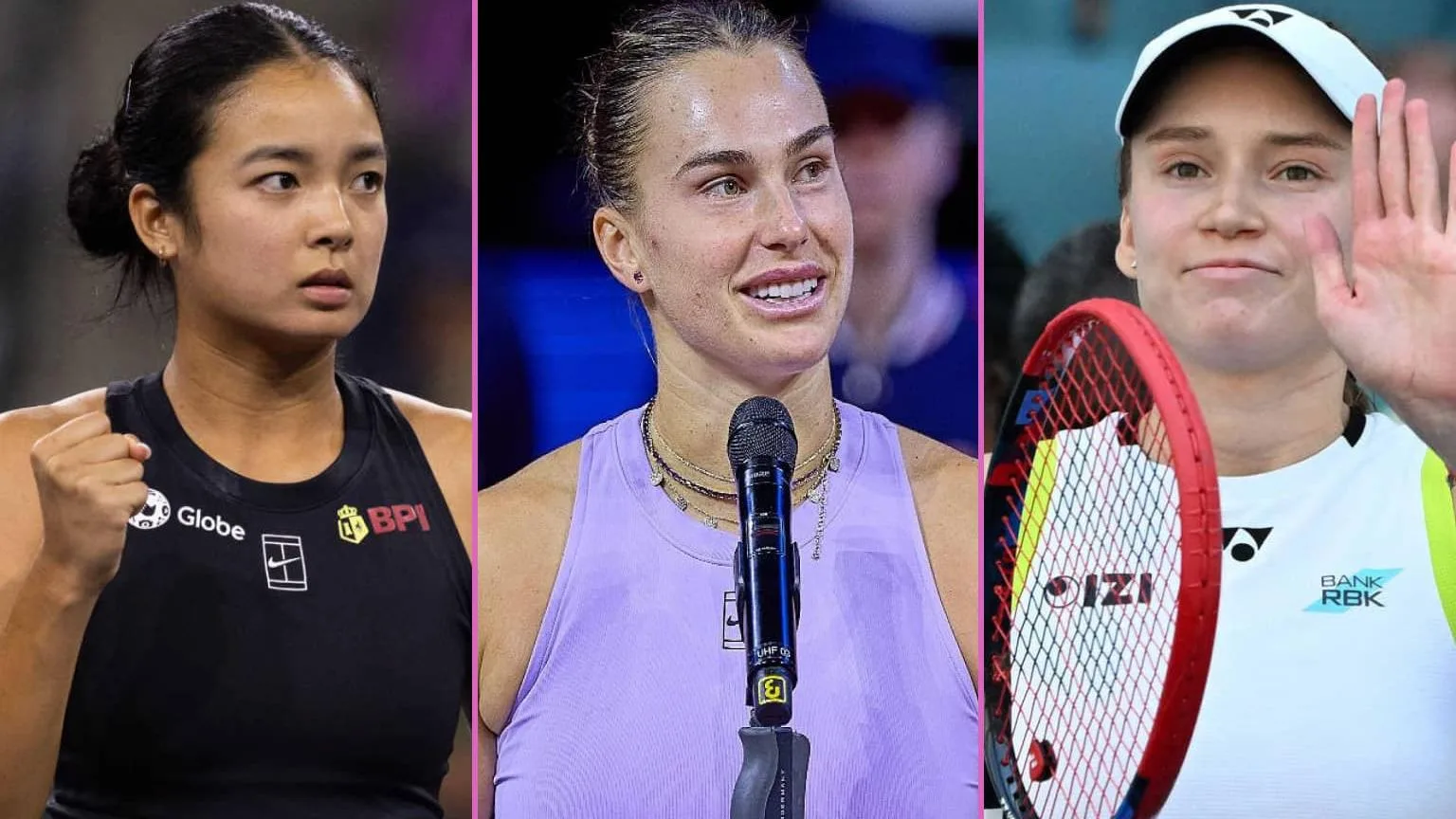
Alex Eala’s climb in the WTA Rankings has been matched by a standout body of work against elite opposition. In 2026, the Filipina owns the second-best win percentage on the WTA Tour against top-10 players, underscoring how sharply her season has developed.
Eala began the year at No. 53 and has risen to a career-high No. 18 before the US Open. The jump has been driven in large part by her title run at the Washington DC Open in July, when she produced one of the most significant weeks of her season.
At that WTA 500 event, she beat world No. 10 Elina Svitolina in the quarter-finals, then followed with victories over No. 13 Naomi Osaka and No. 3 Jessica Pegula to capture her first WTA singles title.
Those wins over Svitolina and Pegula were her sixth and seventh against top-10 players this year. They lifted her 2026 record against the top 10 to 7-3, placing her second only to Aryna Sabalenka in win percentage for the season.
Eala’s other top-10 wins came against Iga Swiatek at Wimbledon, Svitolina in Berlin, Elena Rybakina in Berlin, Coco Gauff at Indian Wells and Jasmine Paolini in Dubai. Her defeats against top-10 opposition came to Amanda Anisimova at the Cincinnati Open, Rybakina in Rome and Gauff in Dubai.
Her 70.0% mark against top-10 players this year also leaves her with a 9-5 career record in such matches. Sabalenka leads the list at 71.4% with a 5-2 record.
Eala is also joint-best for win percentage against top-five players in 2026, alongside Svitolina, Linda Noskova and Ekaterina Alexandrova.
Facts & Stats
Alcaraz says he has missed everything as he prepares for US Open return
Alcaraz says he has missed everything as he prepares to return at the 2026 US Open.
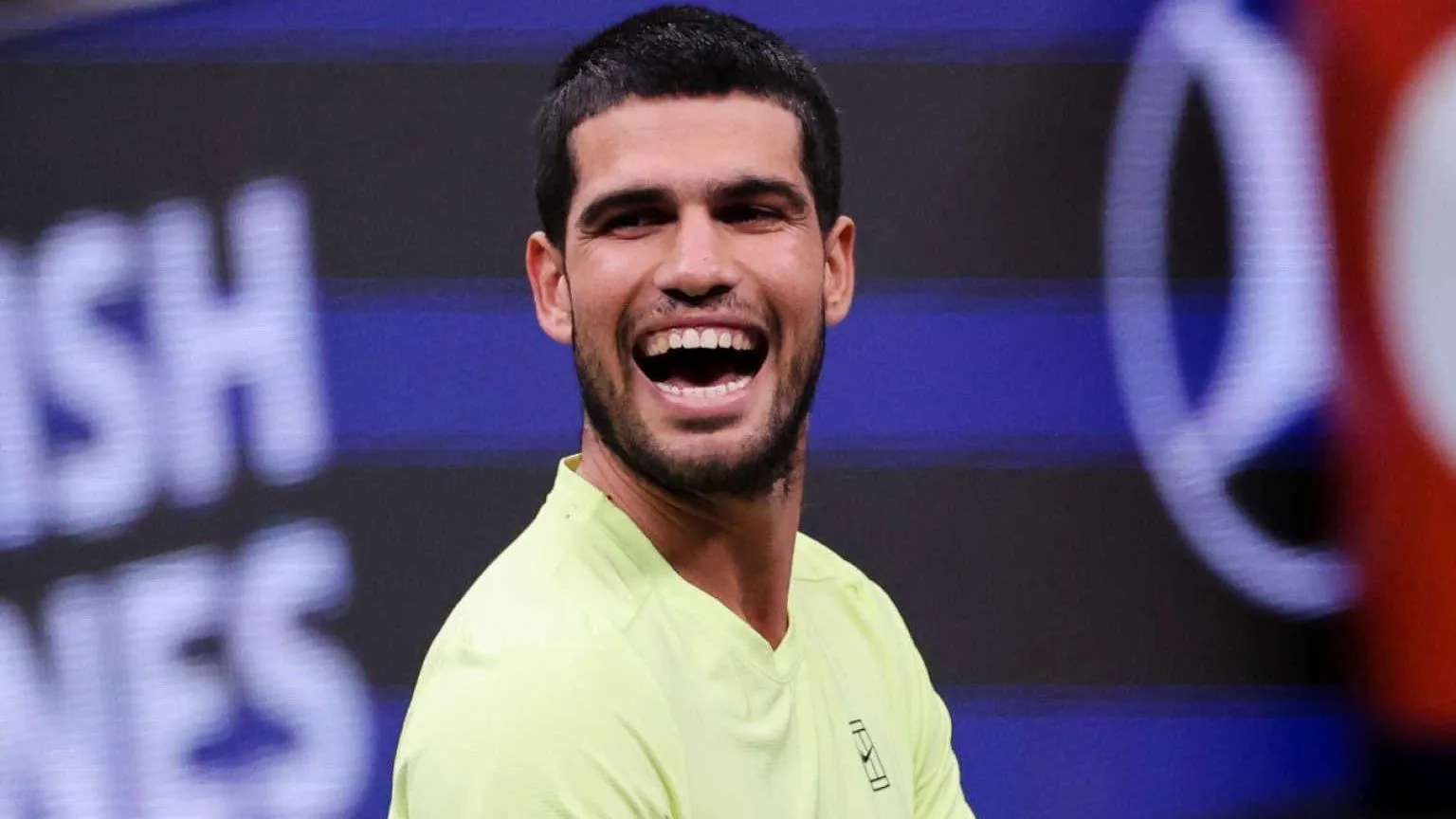
Carlos Alcaraz has spoken openly about how much he has missed competitive tennis as he readies himself for a return at the 2026 US Open.
The Spanish star confirmed last week that he will come back from more than four months out with a right wrist injury to compete in New York. His most recent match came at the Barcelona Open in April, where he picked up the injury that forced him to miss both Roland Garros and Wimbledon this summer.
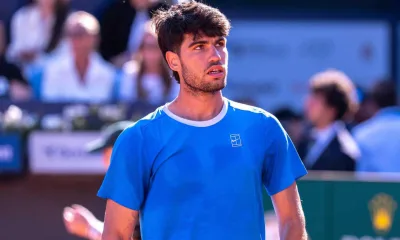
On Sunday, Alcaraz took to the practice courts at Flushing Meadows for the first time this year, working in front of spectators in Louis Armstrong Stadium. After the session, he gave a brief interview and said the return carried a deep emotional charge.
“After a couple of months recovering from my injury, I miss everything. I miss this place, I miss the crowd, I miss the ball kids,” said the 23-year-old.
He added that being back in New York felt like the right setting for his comeback. “I think I couldn’t have started at a better place than here, so I feel very grateful. I’m just happy.”
Alcaraz also acknowledged that entering a Grand Slam after such a long absence was not straightforward. “Yeah, I mean, it is a very special tournament for me. It’s a Grand Slam, best of five.
“So yeah, as I said, after more than four months, coming back at a Grand Slam wasn’t an easy decision, but I just tried to put everything to be ready for this tournament.”
The world No 3 is the defending US Open champion after beating Jannik Sinner in the 2025 final to claim his second title at the USTA Billie Jean King National Tennis Center.
He is also scheduled to team up with Serena Williams in the US Open mixed doubles event, which takes place on Tuesday and Wednesday. The singles events at Flushing Meadows run from Sunday 30 August to Sunday 13 September.
Facts & Stats
US Open injury crisis grows as Sinner joins list of absentees
Sinner’s withdrawal and PTPA figures have sharpened the focus on US Open injury concerns.
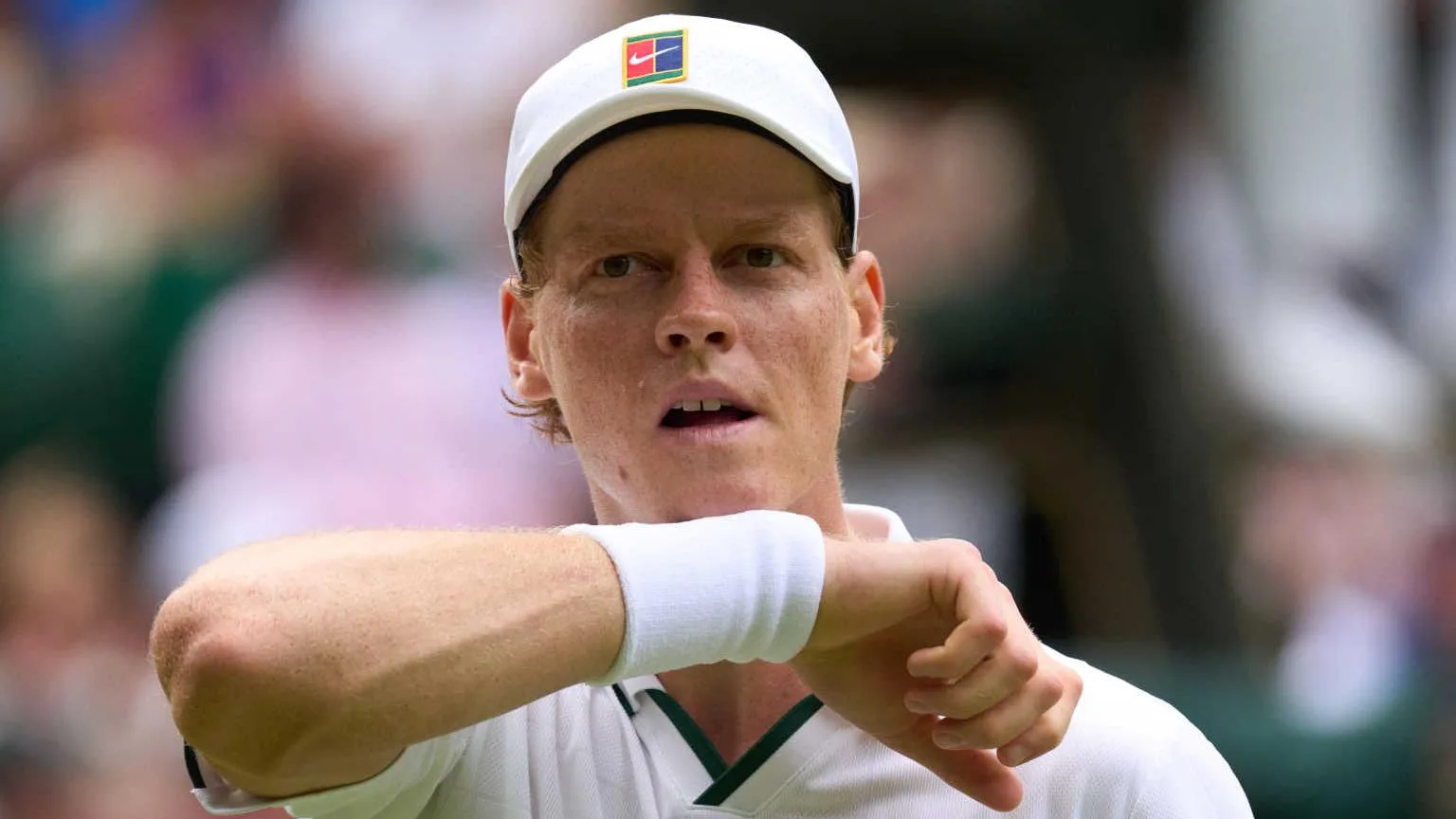
Jannik Sinner has become the latest major withdrawal from the US Open after confirming that a knee injury will keep him out of the final Grand Slam of the year. His absence has revived the wider conversation around why so many leading players are dealing with long-term injuries.
The field is already thin in several sections. A former US Open semi-finalist is still dealing with a bone bruising injury in his arm that has not healed, while Carlos Alcaraz is returning to New York after missing the last four months with a wrist injury.
The men’s draw has also lost Alejandro Davidovich Fokina, Ethan Quinn, Sebastian Korda, Holger Rune, Gabriel Diallo and Emilio Nava. On the women’s side, Victoria Mboko, Hailey Baptiste, Emma Raducanu and Ajla Tomljanovic are among those unavailable.
The Professional Tennis Players Association has now added data to the discussion, reporting a marked jump in injury problems among top players. Its figures show upper-body injuries are up 42%, arm injuries have increased by 112%, match-ending injuries are up 53% and re-injuries are 55%.
Serena Williams’ former coach Patrick Mouratoglou responded to the numbers in a LinkedIn post and argued that the explanation is more complex than the calendar alone.
“Those figures are concerning,” declared Mouratoglou on a LinkedIn post. “They come from a PTPA injury analysis comparing Q1 2026 with the average Q1 figures from the previous seven years and with a rolling 12-month average over the previous seven years.
“The calendar is often presented as the obvious explanation for this increase. I’m not convinced.
“I’m not saying the tennis calendar is perfect. The Masters 1000 events have become longer, but players aren’t necessarily playing more matches and they have more recovery time between some of them. For me, that alone doesn’t explain such a dramatic increase.
“There is another detail in these numbers that I find particularly interesting: the injuries increasing so sharply are upper-body injuries.
“That makes me look elsewhere. The first thing I would investigate is the evolution of the surfaces.
“Since the early 2000s, surfaces have progressively become slower and more homogeneous. Grass is a very good example. There was a time when even clay-court players had to serve and volley there. Today, most players stay at the baseline.
“This evolution has also reduced the variety of playing styles. Players spend much more time exchanging from the baseline at very high intensity, hitting the ball extremely hard over and over again. That creates enormous stress on the arm, elbow and shoulder.
“Then there are the balls. Players can compete with one type of ball one week and a completely different one the next. Some are heavier, some lighter, some more explosive. The upper body constantly has to adapt to different stresses.
“I’ve also heard many players complain about how quickly some balls lose their qualities. When the ball becomes less lively, producing the same depth, pace and weight requires more effort. Multiply that by thousands of shots in practice and competition, and it’s something worth investigating seriously.”
He also said the worsening figures are especially hard to accept in light of modern sports medicine and preparation.
“I find these numbers even more frustrating because sports medicine and physical preparation have improved enormously,” he added.
“When I started my Academy in 1996, I was already working with top physios who explained how much could be done through injury prevention. Over the last 20 years, that work has become incredibly sophisticated. And now we’re seeing numbers moving dramatically in the wrong direction.
“I don’t pretend to have the definitive explanation, but these figures should push the governing bodies to investigate the surfaces, the balls and every factor that could explain why upper-body injuries are increasing so sharply.
“Find the causes, then find solutions. Because these numbers are not acceptable for the health of the players.”

Alcaraz practice booking keeps US Open singles question alive

Mouratoglou points to balls and surfaces as injury debate grows on ATP Tour

Wawrinka earns late US Open wildcard for final New York farewell

Alcaraz Confronts On‑court Microphones During US Open Practice Ahead of Opelka Match

Raducanu Arrives at US Open With Momentum After Strong Hard‑Court Swing