
ATP BNP Paribas Open Masters
Arthur Fils rebuilds technique and stamina en route to Indian Wells quarterfinals
Arthur Fils returned after nearly eight months, changing serve and forehand to reach Indian Wells QF

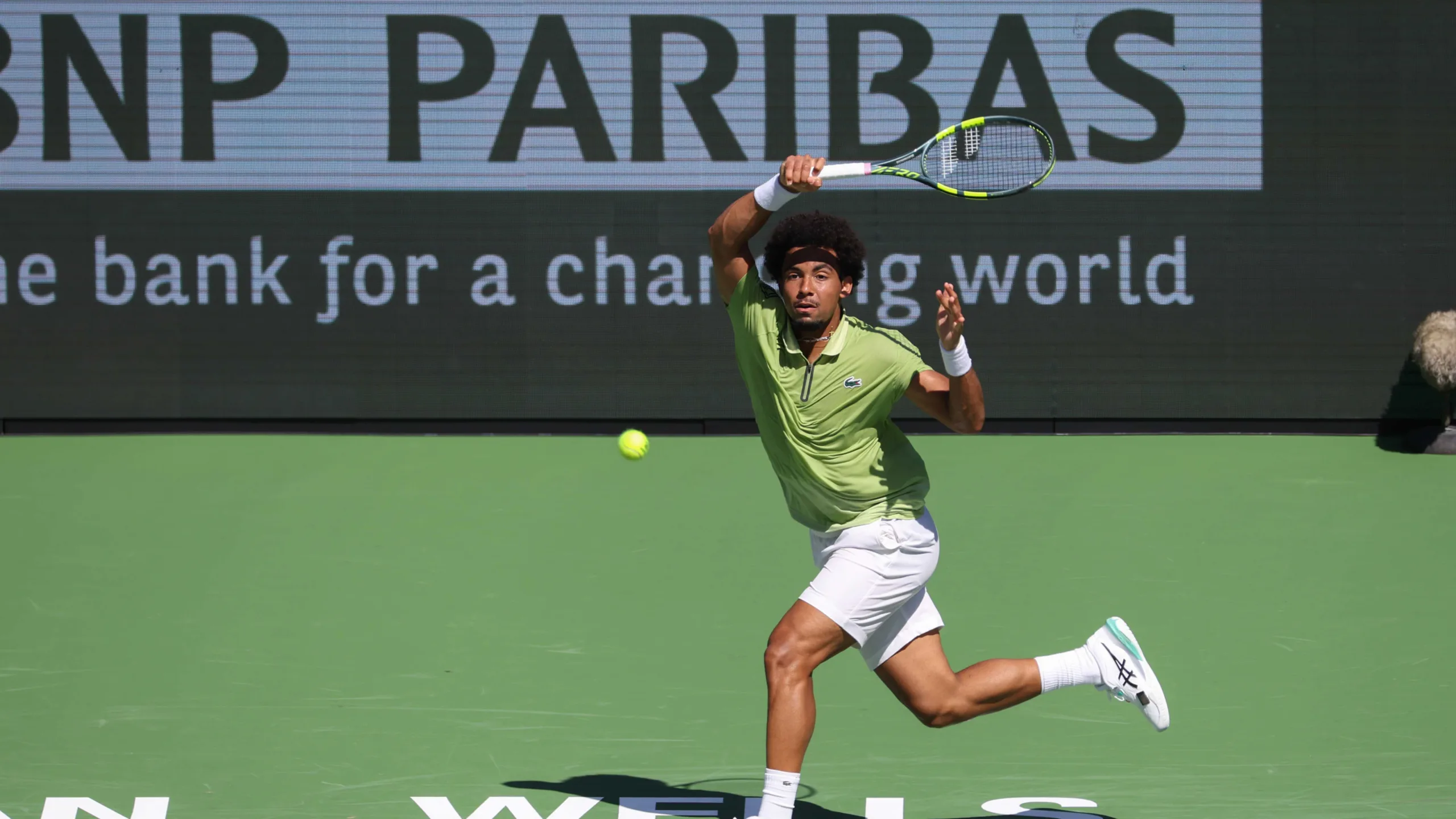
Arthur Fils used a lengthy injury layoff to rework key elements of his game and has seen measurable progress at the BNP Paribas Open. Sidelined from the tour for nearly eight months last spring with a debilitating back injury, the 21-year-old Frenchman returned this season having altered his serve and forehand mechanics and adjusted his diet with a nutritionist.
Through to the quarterfinals at the BNP Paribas Open for the second straight year, Fils explained the technical changes he made while away, including shortening his forehand take-back. After his fourth-round victory over Felix Auger-Aliassime he said: “We’ve worked on a couple of things, the serve, the forehand, even the movement on the court with the fitness coach,” he said after beating Felix Auger-Aliassime in the fourth round. “We work on a lot of things, and even now we are still working on it. We’re trying to improve every day, and it’s working pretty good.
“I was moving good, but sometimes I was wasting a lot of energy … we had a great talk with my fitness coach, my tennis coach and the whole team that said I can move even better without wasting that much energy. So that’s what we are trying to do now. Of course, when it gets very tight, I start to move crazy again! You have to chase the ball, right? But I think we’re doing great work.”
Fils’ win over Auger-Aliassime marked his eighth career Top 10 victory and placed him in a small group of French players to reach that mark, a distinction the ATP notes was previously achieved by Yannick Noah and Thierry Tulasne. Now ranked No. 32, Fils will face Alexander Zverev next, a player he has met six times. On the pressure of points and the process, Fils added: “The points, they leave, they come back, it’s OK,” he said of his current perch of No. 32 in the ATP rankings. “Sometimes you win some matches; sometimes you lose some. The points is not a big pressure for me.
“The only pressure that I got was would I be able to come back to my level to where I left, you know. That was the only question. You know, I talk a lot with my team, my friends about it. I’m, like, ‘Well, I know I will be back, but what level?’
“I just had to keep working, stay very patient, like you said, because it’s long, it’s a long process. … So [I] just stay very focused on the work, try to not watch the other players because, well, it’s nice to watch them for one tournament or a second tournament, but then you start to feel, OK, the guys are improving a lot. ]





ATP BNP Paribas Open Masters
Draper outlasts Djokovic in Indian Wells classic; Medvedev awaits in quarters
Draper stuns Djokovic in a three-set thriller; Medvedev, unbeaten this week, meets him in quarters.
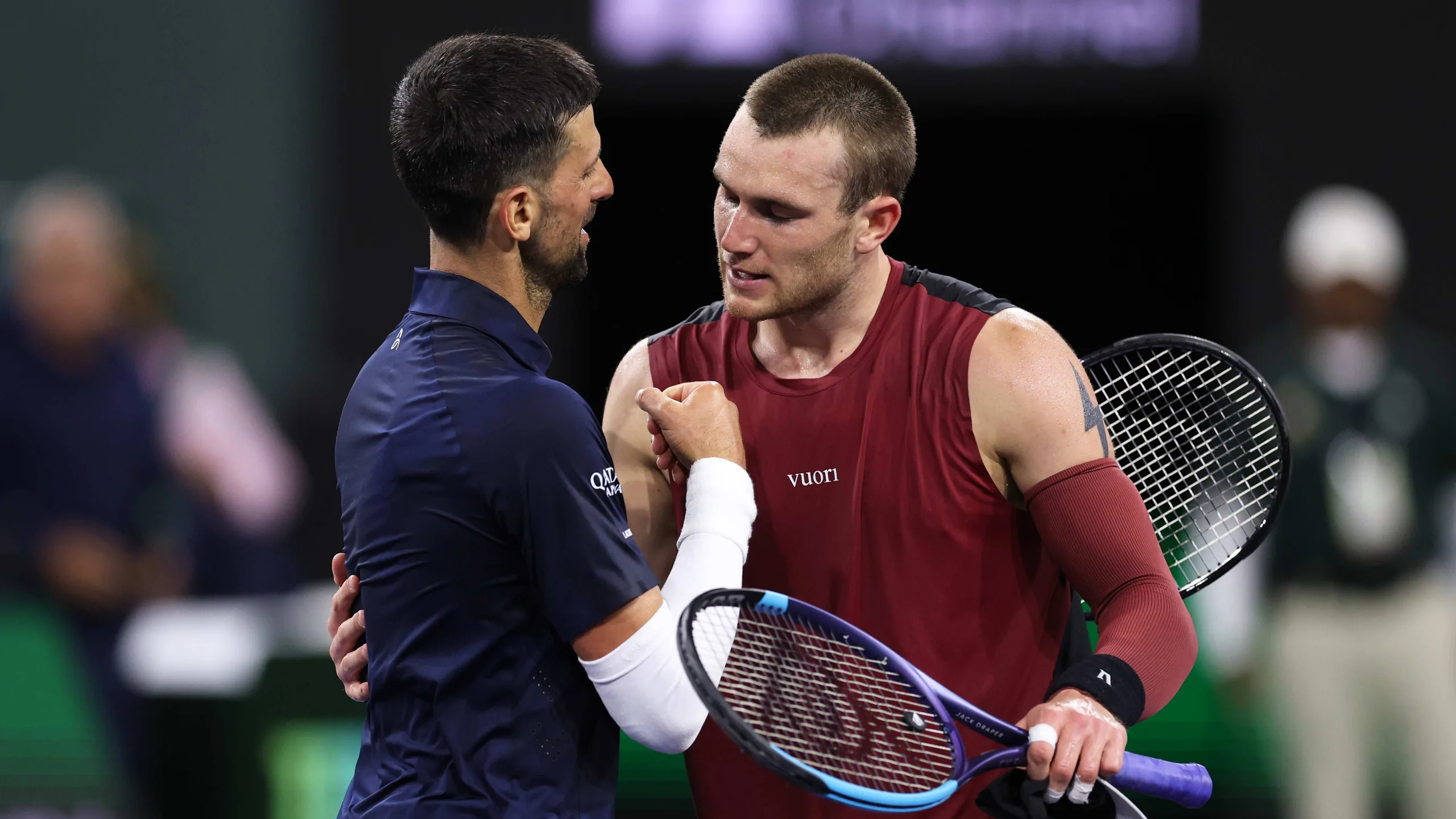
Jack Draper produced one of the most physical, riveting matches of the season to edge Novak Djokovic and advance to the Indian Wells quarterfinals, where Daniil Medvedev awaits.
Medvedev had previewed Wednesday night’s showdown with a clear expectation of a grind: “I would be surprised if it’s a one-sided match,” Medvedev said when he was asked about Wednesday night’s fourth-round encounter between Draper and Novak Djokovic. “I think it’s going to be very, very physical battle where you don’t know who’s gonna win.”
That is exactly what unfolded. Draper, returning from a lengthy injury layoff and initially cautious, grew into the match as the crowd built behind him. He chased down balls, produced aggressive forehands, crafted deep backhand returns and converted audacious passing shots that left Djokovic impressed and the stadium buzzing. The contest reached a third-set tiebreak that swung back and forth, with little to separate the two and momentum shifting with each point.
“I got the crowd backing me, and I felt the energy,” said Djokovic, who nearly rose from the grave once again late in the third. “It was, like, ‘Maybe I’m gonna take this one.’ It was so close, so close. I mean, just unfortunate few mistakes from my side. Tiebreak, 4-3 up. 5-all, as well. That’s tennis.”
Draper’s willingness to stay aggressive, especially from his backhand wing in the decisive moments, paid off and earned him the victory. The win sets up a quick turnaround: Draper must recover in less than 24 hours to face Medvedev.
Medvedev, meanwhile, handled Alex Michelsen earlier in the day, beating him 6-2, 6-4 in routine fashion, extending his winning streak to eight and carrying title-winning form from Dubai into Indian Wells. The two have met once before, with Medvedev prevailing 7-5, 6-4 in Rome two years ago. The matchup offers a tactical contrast: Draper’s lefty serve and spin against Medvedev’s ability to keep the ball low and flat with his two-handed backhand.
If Draper can recover quickly and play with the same freedom, another memorable night is possible. My pick: Winner: Medvedev
ATP BNP Paribas Open Masters
Alcaraz vs Norrie: Tactical Rematch at Indian Wells
Norrie has beaten Alcaraz before; Indian Wells match should be close, but Alcaraz is favored. Again.
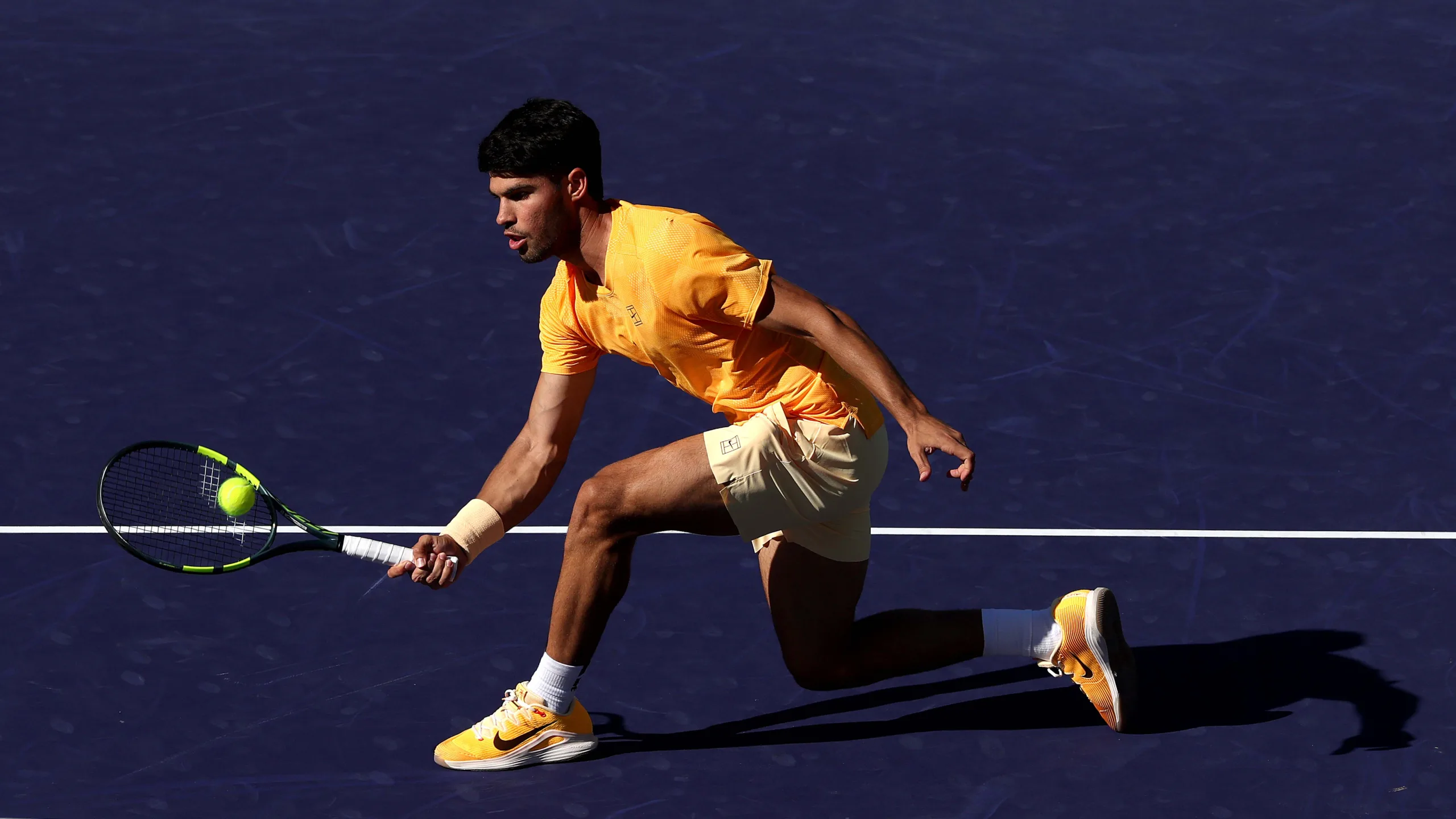
Start Time: Not before 10:00 p.m. ET on Thursday, March 11
This Indian Wells meeting is a sharp replay of a recent rivalry. Cam Norrie arrives having handed Carlos Alcaraz one of his nine losses of 2025 and, with that win, “improved his record to 3-5 against the Spaniard.” The matchup pits a left-handed, counterpunching Brit against the world No. 1, and history suggests Norrie can make Alcaraz work.
“There’s no secrets,” Norrie said when he was asked how he had beaten Alcaraz last fall in Paris. “I think I had to play well for over two hours, more than that. I had to keep pushing.” That description captures the formula Norrie has used: sustain long rallies, apply pressure and force small errors from an opponent who thrives on dictating play.
Norrie’s traits play into that plan. Being a lefty alters the angles Alcaraz faces and limits some of the Spaniard’s forehand options. Norrie is quick, steady from the baseline, and possesses a compact backhand and reliable touch at the net. He has shown an ability to prolong points and frustrate even the most aggressive opponents.
“I was able to take the tennis to kind of the way I like to play it, playing long points,” he said after his Paris win. Indian Wells’ courts should allow Norrie to try similar tactics: extend rallies, test Alcaraz’s patience and look for openings.
They previously met in the desert in 2022, a match Alcaraz won 6-4, 6-3. This rematch could be tighter, and Norrie is well-equipped to press. Still, overcoming the world No. 1 will likely require even more than he has produced so far. Prediction: Winner: Alcaraz
ATP BNP Paribas Open Masters
Medvedev criticizes Fergus Murphy’s rapid shot-clock starts amid time-violation debate
Medvedev joined Fritz and Alcaraz in criticizing Fergus Murphy’s quick starts of the shot clock…..
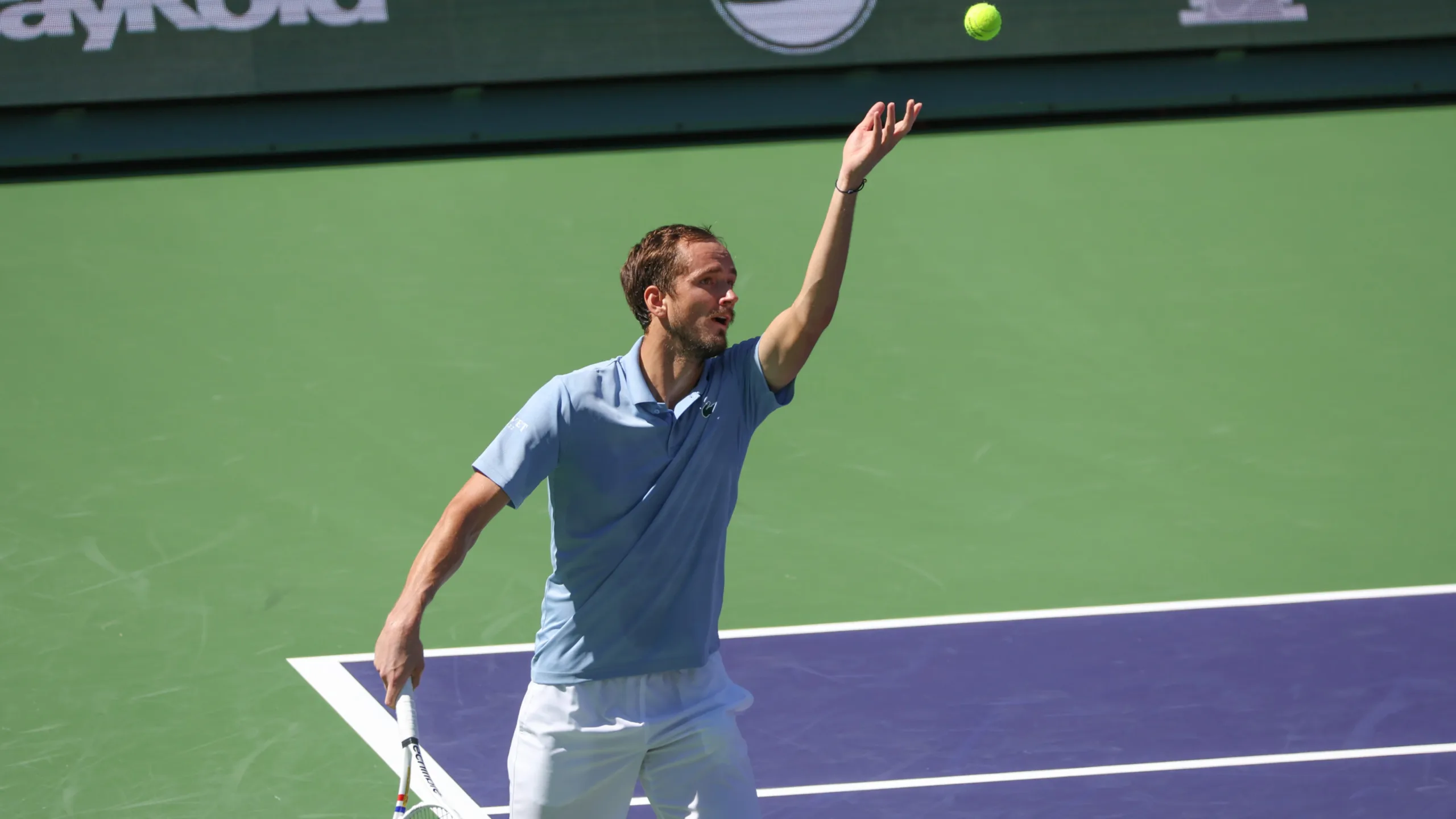
Daniil Medvedev added his voice to growing concern over how chair umpires start the shot-clock, saying Fergus Murphy has been especially quick to begin the countdown. Medvedev raised the issue after reaching the BNP Paribas Open quarterfinal on Wednesday and echoed criticisms voiced earlier by Taylor Fritz and others.
The debate reignited following a time violation called on Carlos Alcaraz at the Qatar ExxonMobil Open. Alcaraz reacted immediately after a long rally with Karen Khachanov, asking, “I’m not allowed to go to the towel?” The shot-clock is intended to limit players to 25 seconds between points, but the chair umpire decides precisely when the clock starts once a point ends. Marija Cicak drew Alcaraz’s ire in Doha, while Fritz and Medvedev singled out Ferguson Murphy for starting the clock particularly quickly.
“I always had an issue with specifically Fergus starting the clock super fast,” Fritz said earlier in the week. “And I’d never got called for time violations and no one ever got called for time violations against me, but then there was probably 10 in total in my matches when he was in the chair, and then it started just being automatic, like when the point ends, it just starts. It’s not really up to the umpire.”
Medvedev addressed the matter directly in his on-court comments:
Q. Do you think some umpires [use the shot clock] differently to others?
DANIIL MEDVEDEV: Yeah, I think so. I think Fergus gave me two or three times in my life a time violation and I always went nuts.
Because sometimes you play Rafa, you play, I don’t know, Sascha takes, Novak takes some time to prepare for serve. And of course you play them sometimes with a different umpire. But I would love to see Fergus — I cannot play Rafa anymore, but if he would make, like, 10 times time violation to Rafa, because you need to have some common sense sometimes, which maybe you should.
I think also what would work great is to advertise a player, meaning, you know, not give only me, everyone, you first advertise, meaning on the changeover, you say, look, there was one or two times you were getting really close, next time it’s going to be a time violation.
And not like Fergus gave me, I remember this in Vienna, I went absolutely nuts and lost the match because of it, on the tiebreak, where I played like crazy two points with Moutet, I didn’t even go for the towel, something, and he gave me time violation. And this I don’t accept still.
Yeah, I think there is a difference.
The dispute is not new: in 2024 Murphy issued a time violation against Stefanos Tsitsipas at the Rolex Shanghai Masters, prompting Tsitsipas to ask, “Why are you doing this to me, man?” Medvedev won that match in straight sets.

Draper outlasts Djokovic in Indian Wells classic; Medvedev awaits in quarters

Arthur Fils rebuilds technique and stamina en route to Indian Wells quarterfinals

Swiatek Favored as Svitolina Arrives Rejuvenated for Indian Wells Quarterfinal

Alcaraz Confronts On‑court Microphones During US Open Practice Ahead of Opelka Match

Raducanu Arrives at US Open With Momentum After Strong Hard‑Court Swing

Cervara: Ending an eight‑year partnership with Medvedev was necessary to change the energy
-
 ATPAustralian OpenGrand Slam2 months ago
Medvedev says he will not underestimate Learner Tien as their Australian Open rivalry resumes
-

 Australian OpenAustralian Open women's drawGrand Slam2 months ago
Swiatek shuts down reporter who spoiled her Australian Open draw
-
 ATPAustralian OpenGrand Slam2 months ago
Alcaraz extends flawless Grand Slam opening streak to 20-0 with straight-sets win