
Masters
Sabalenka seeks answers on media format before Toronto return
Sabalenka returns to Toronto after Wimbledon and raises a media-format idea.

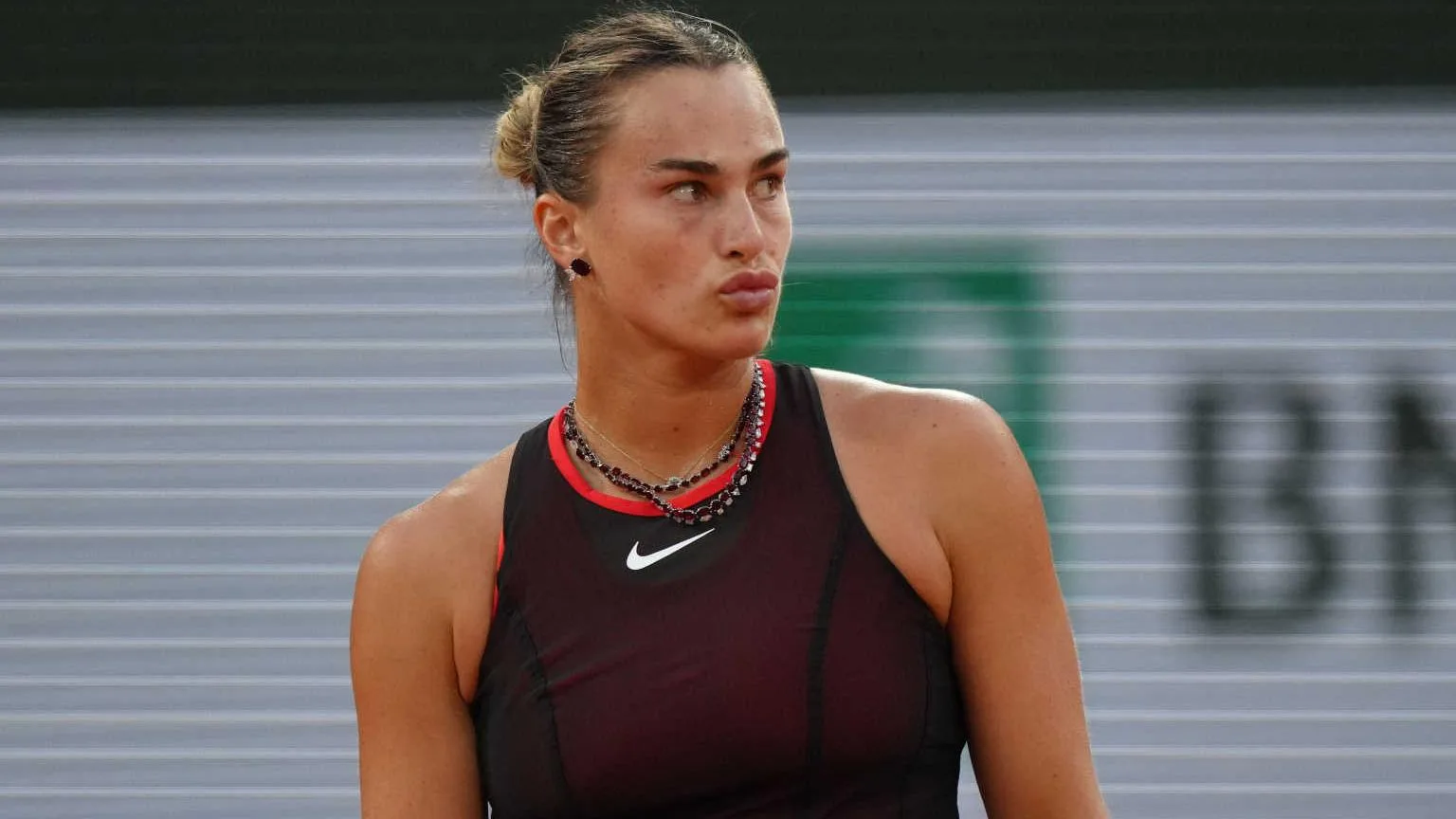
Aryna Sabalenka has been away from competition since her Wimbledon round-of-16 defeat to Naomi Osaka, but she is now due back in Toronto for the Canadian Open. The world No 1 has not produced a classic 2026 campaign so far, largely because she has not added a Grand Slam title to her season, though she has still collected three WTA Tour singles trophies, including the Sunshine Double at Indian Wells and the Miami Open.
The Canadian Open brings Sabalenka back to Masters level action, and it is a tournament she has yet to win. Before her first-round meeting with Moyuka Uchijima, she used social media to propose a change to the way players handle media duties.
Sabalenka wrote: “How about pre-tournament media to be changed? Top 10 players together for press conference? F1 style? Fun no?”
The idea has been used in other settings over the years, most notably at the ATP Finals, where the top eight players gather to answer questions together. But the suggestion quickly met resistance from respected tennis journalist Ben Rothenberg, who replied: “[I] would be game to try it somewhere but in my experience with that style some of the people up there will spend long stretches of time up on the podium without getting asked anything, and it becomes a big waste of their time.”
Gill Gross later argued that the format could weaken press conference content. “It [would] be fun as a changeup, but my hunch is the players would say absolutely nothing vulnerable or insightful in each others presence.
“There’s already culture of guardedness in the locker room and this would expose it even further. Plus, individuals would field less questions total.”
Sabalenka’s proposal does not appear to have gained support from other players, leaving her with plenty of work if she wants to advance it. For now, her attention turns back to results in Canada.
Her record at the event has been uneven. Across six appearances, she has reached the semi finals once and the quarter finals once, but has also suffered several early exits. Overall, she owns a 9-6 record at the Canadian Open, a 60% win rate that makes it her second-worst Masters event, behind only the Dubai Tennis Championships.




ATP Tour Masters
Eight ATP and WTA absences shape the 2026 Canadian Open
Eight players on each tour are out of the 2026 Canadian Open as injuries and withdrawals reshape the draw.
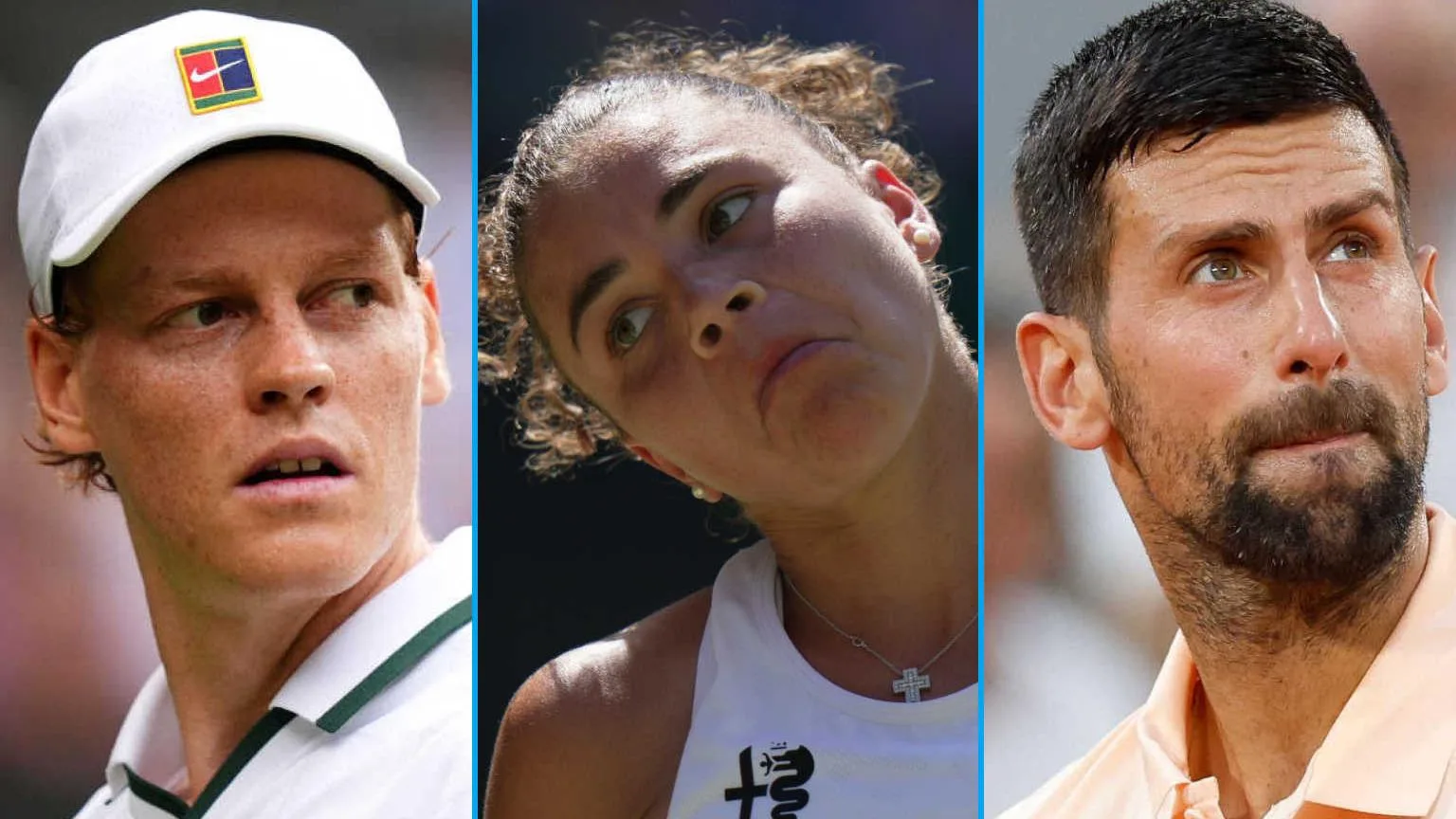
The 2026 Canadian Open begins the North American hard-court stretch with a notable number of absentees on both tours. Eight players from the WTA draw and eight from the ATP field will not take part because of injury or because they chose not to enter the joint ATP-WTA 1000 event.
First-round play starts on Sunday, 2 August. The women are competing at Sobeys Stadium in Toronto, while the men are based at IGA Stadium in Montreal. The event is the opening stop in a three-tournament sequence that continues with the Cincinnati Open in Mason from 13-23 August before the US Open begins in New York on 30 August.
The tournament has found it difficult to secure all of the biggest names in recent years, particularly on the ATP side. Jannik Sinner, Carlos Alcaraz and Novak Djokovic missed the 2025 edition and will again be absent in 2026. Alcaraz is still recovering from the wrist injury he picked up at the Barcelona Open in April, although he is expected back in Cincinnati.
Sinner and Djokovic have both decided against playing in Montreal after taking a longer break following Wimbledon. The three were all expected to be top-10 seeds, and they are joined on the seeded withdrawal list by Alexander Bublik and Alejandro Davidovich Fokina, with Zizou Bergs and Raphael Collignon moving into the final two seeding places.
American Ethan Quinn is the latest men’s withdrawal, with a metatarsal injury in his right foot keeping the world No 46 out.
On the women’s side, the heaviest loss is home favourite and defending champion Victoria Mboko, who is sidelined by a knee injury suffered at the Queen’s Club Championship. She had been set to receive the 12th seed. Karolina Muchova will also miss out after undergoing a small operation a fortnight ago.
Jasmine Paolini is still recovering from a foot injury, while Hailey Baptiste is working back from the serious knee injury she sustained at the French Open. Four seeded players are missing from the women’s event, but none of the leading names has withdrawn. Aryna Sabalenka heads the field, with Elena Rybakina, Jessica Pegula, Coco Gauff, Mirra Andreeva, Linda Noskova, Iga Swiatek, Amanda Anisimova and Elina Svitolina all in action.
Masters
Wild cards, withdrawals and the debate around Draper
Draper’s withdrawal revived wild card doubts as the US Open decision now looms.
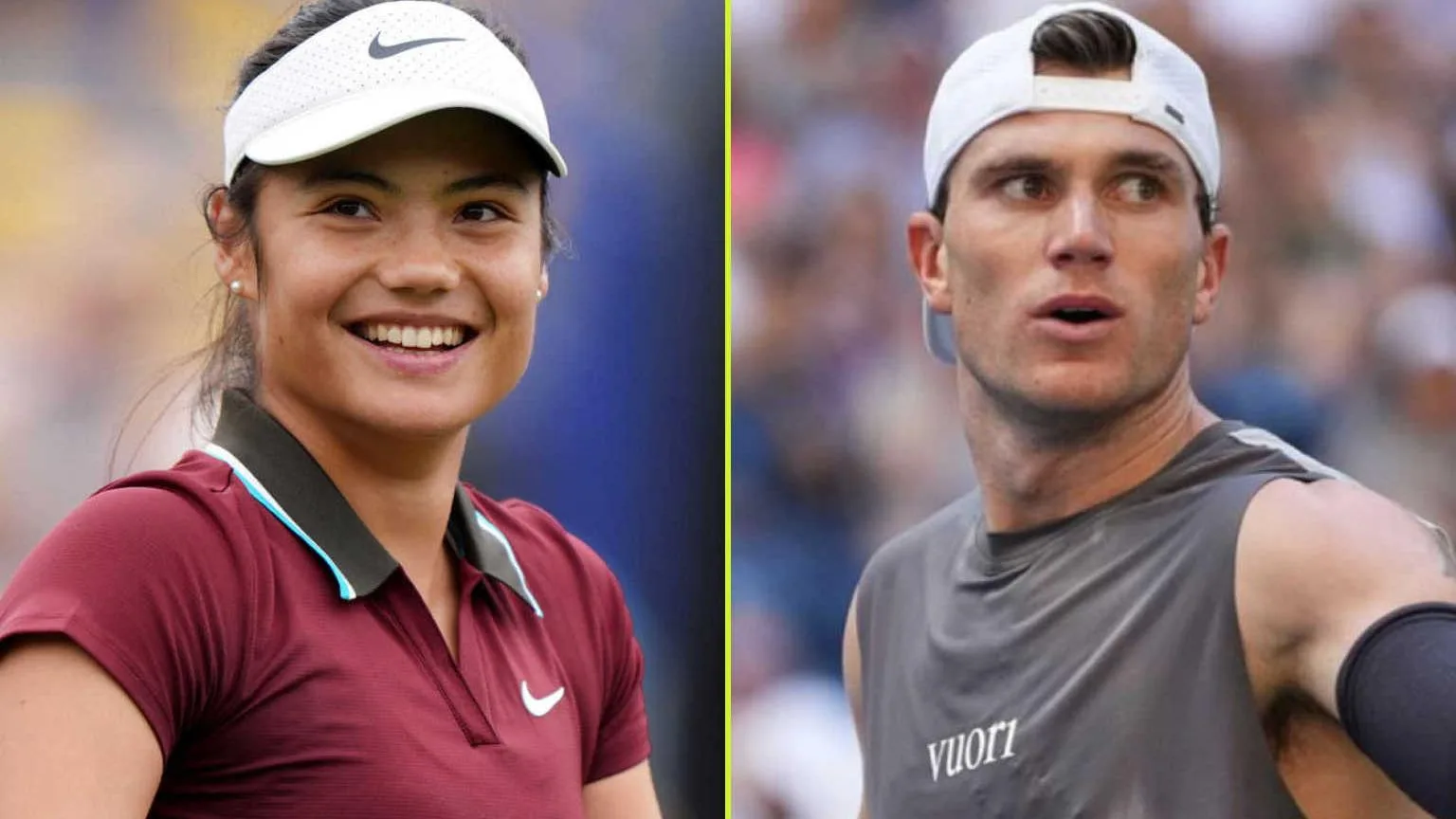
The argument over whether tennis players are taking too much advantage of the wild card system returned to the spotlight this week after Britain’s Jack Draper accepted a wild card into the ATP 500 event in Washington and then withdrew the day before his first match.
Draper had completed his media commitments and indicated that the injury problems that had troubled him for more than a year were finally easing, only to pull out a few hours later. A similar pattern emerged in Rome in May with his fellow Brit Emma Raducanu, who told the media she was fully fit and ready for the WTA 1000 event before withdrawing about half an hour later.
The sequence of events is difficult to square, and money appears to be part of the discussion. Players must fulfil media obligations as part of their tournament agreements, and failure to appear before cameras and the written press can bring financial penalties.
It is hard to imagine players of Draper and Raducanu’s financial standing worrying about a modest fine, yet former Grand Slam champion Boris Becker has also questioned why these late withdrawals are becoming so familiar. As he said of Draper’s latest exit: “Why does he often pull out the day before the tournament?” asked Becker, as he commented on Draper’s latest withdrawal. “He seemed to have good practice session with Shelton only yesterday!?”
That concern is not limited to Becker. More broadly, the pattern raises questions about players appearing in front of the media, saying they are ready, and then stepping away on the eve of an event.
Draper’s arm injury has restricted him to only a handful of matches over the past 12 months and is now threatening his career. There are also consequences when a withdrawal comes after the main draw has already been set, and that may influence how tournament directors judge future wild card requests.
When fully fit, Draper is one of the most attractive names in the men’s game and one of the few players thought capable of challenging Jannik Sinner and Carlos Alcaraz. But that version of Draper has not been seen since early 2025, and the debate over a possible US Open wild card has intensified.
He is due to partner Jessica Pegula in the mixed doubles event before the main draw at the US Open, and by then he will hope to know whether he has been given a wild card for the singles. The Jack Draper who won the Indian Wells Masters in March 2025 would be a contender at the US Open, but that player has not appeared for more than a year. New USTA chief Craig Tiley and his wild card committee now face a major decision over whether to grant a likely top-150 outsider a place in the final Grand Slam of the year.
ATP Tour Masters
Mark Petchey backs a separate ATP rule to help Canadian Open attract the elite
Petchey argues Canada needs a separate ATP rule to lure top players with guarantees.
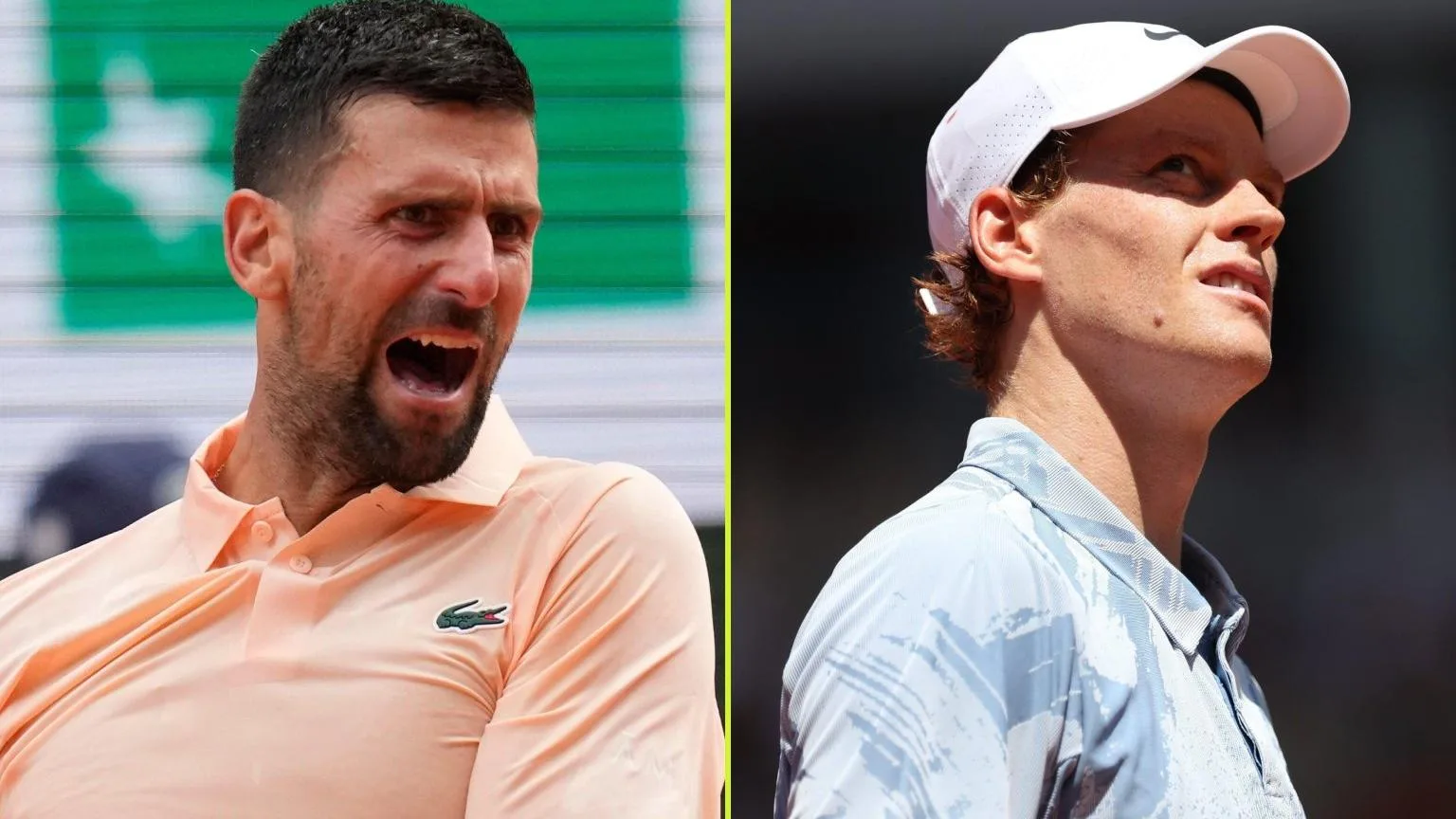
The Canadian Open has quietly turned into one of the ATP Tour’s hardest events to sell to the game’s biggest names. In recent seasons, Novak Djokovic has skipped it since 2018, while Carlos Alcaraz and Jannik Sinner have also stayed away from the North American tournament over the last two years.
That stands in sharp contrast to the event’s earlier prestige. In 2010, the title was lifted by names such as Andy Murray, Novak Djokovic, and Rafael Nadal. More recently, the trophy has gone to Alexei Popyrin and Ben Shelton, a shift that has only sharpened the sense that the event is struggling to hold its status with the top of the game.
A number of explanations have been offered for the pattern. The two-week Masters format is one of the most common. Others point to the length of the North American hard-court swing, while the heat and the tournament’s timing close to Wimbledon have also been cited.
Whatever the cause, the issue has become difficult to ignore, and Mark Petchey believes he has an answer. Speaking on The Big T Podcast, the former coach of Andy Murray and Emma Raducanu argued that the ATP should consider a special arrangement to help the Canadian Open draw leading players through guarantees.
“I honestly think the only fix for Canada on the ATP side is again to make a kind of separate rule for them, so that they can entice the top players with a guarantee,” he explained.
“Which obviously they they can’t pay guarantees at the thousand level because the bonus pool has been put in there to try and protect the tournaments.
“It’s not really for the players. It’s to protect the tournament so they don’t have to pay out more money if the top players don’t play,” he continued.
“But I’m almost of the opinion that Canada feels as though it’s going to be a difficult child syndrome for the ATP. And if you’re going to try and help them, you almost have to loosen the purse strings.”
The bonus pool is distributed to the top 30 players at Masters events who have played eight or more tournaments on the ATP Tour calendar. It is worth $21.5 million and is based on rankings points collected at those elite events. With Sinner’s withdrawal, he is now one tournament away from no longer being eligible for consideration. His bonus pool earnings for 2026 will also be reduced by 25%, although that figure is unlikely to matter much given the millions he has already earned this season.

Eala’s Washington breakthrough confirms a rapid rise

Eala Completes Washington Comeback For First WTA Title

Medvedev benefits from Canadian Open withdrawals as title path opens

Alcaraz Confronts On‑court Microphones During US Open Practice Ahead of Opelka Match

Raducanu Arrives at US Open With Momentum After Strong Hard‑Court Swing

Cervara: Ending an eight‑year partnership with Medvedev was necessary to change the energy
-
 Cincinnati OpenGrand Slam2 weeks ago
Alcaraz slides to No. 3 as US Open seedings begin to take shape
-
 ATPFrench OpenGrand Slam2 months ago
Jakub Mensik Emerges from the Pack After Roland Garros Quarterfinal Upset
-
 Tennis News2 weeks ago
Vondrousova ban explained as ITIA outlines reasoning behind four-year sanction